

When it comes to interior design, the floor is often the unsung hero. Flooring plays a crucial role in how a room feels, influencing perceptions of space, light, and even mood. Wooden floors, in particular, are more than just a design choice. The right wooden floor can make a small room feel open and airy, or, if chosen poorly, it can make it appear cramped. Understanding how different wood floor designs, materials, and patterns affect perception is key to creating a room that feels larger than its dimensions. From light wood floors to engineered wood options, every choice contributes to the overall visual impact. In this article, we’ll explore how to select the ideal wooden floor for small rooms, combining style, functionality, and practical installation advice.
Why Wooden Floors are Ideal for Small Rooms
Wooden floors bring warmth and texture without creating visual clutter. Unlike patterned tiles or dark stone, wood provides a sense of continuity that can make a small room appear larger. Choosing a consistent tone across the space allows the eye to flow naturally from one corner to another, creating the illusion of depth.
Wood floor designs can also add subtle character without overwhelming a compact room. Even minimal variations in grain or plank width introduce texture, giving the floor visual interest while maintaining a clean and open look.
Another advantage of wooden flooring is its versatility. Whether you prefer a contemporary minimalist approach or a more classic style, wooden floors can adapt to the room’s overall design, enhancing both light and space.
Light vs Dark Wood Floors in Compact Spaces
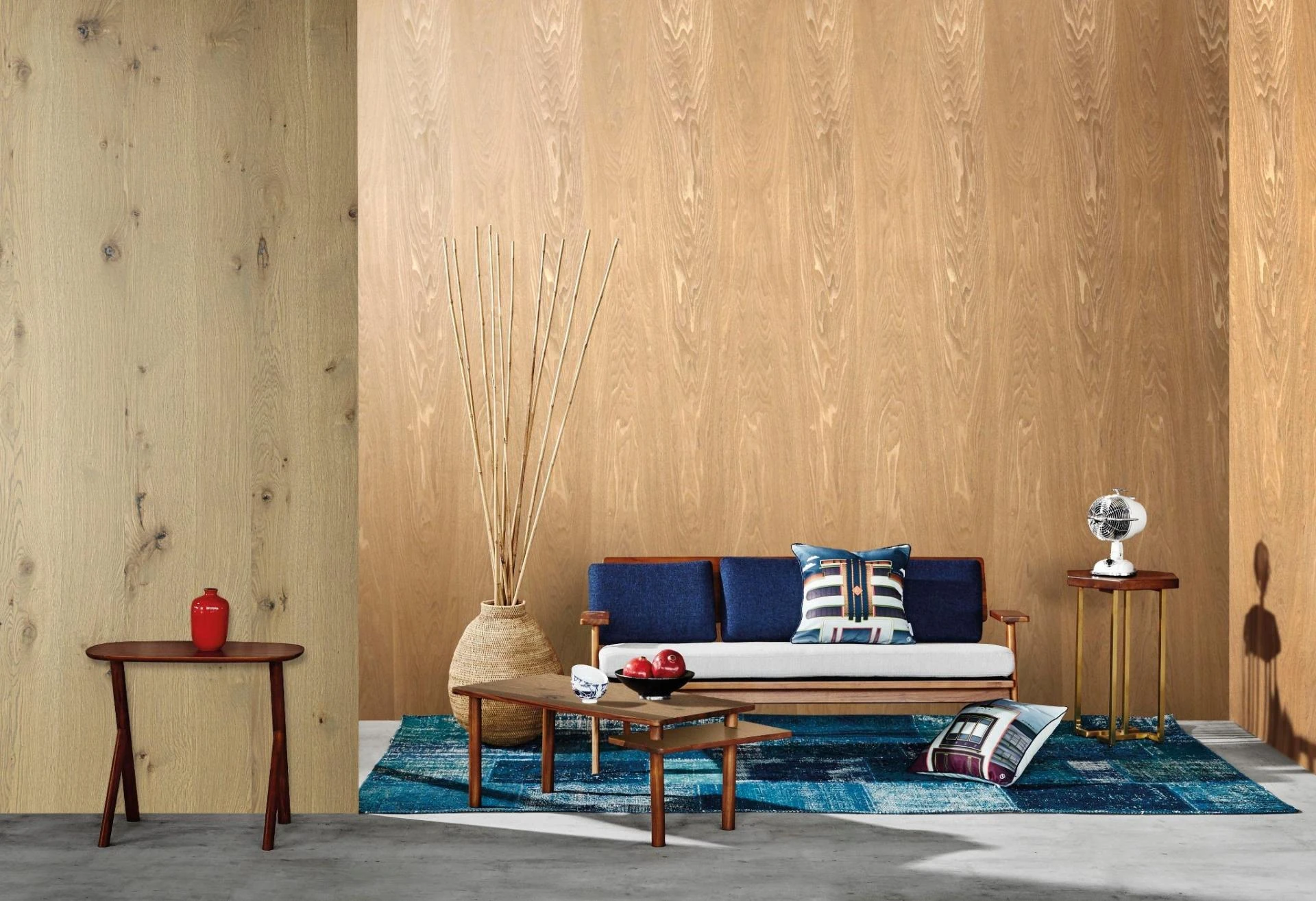
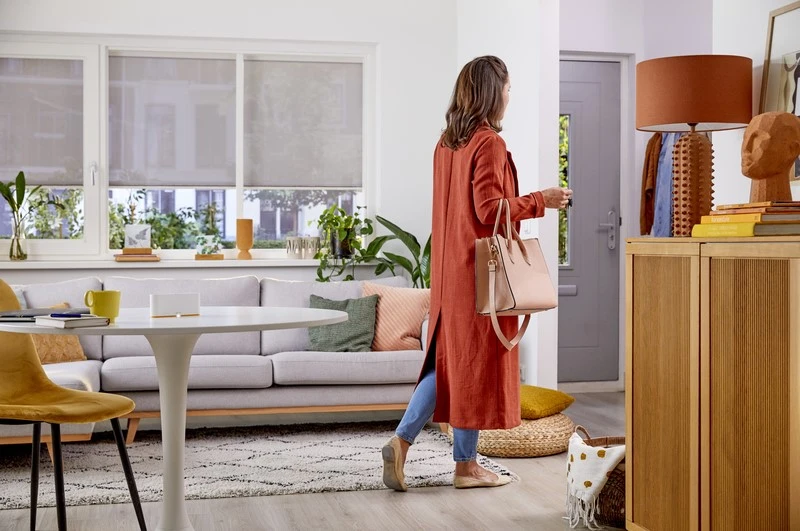
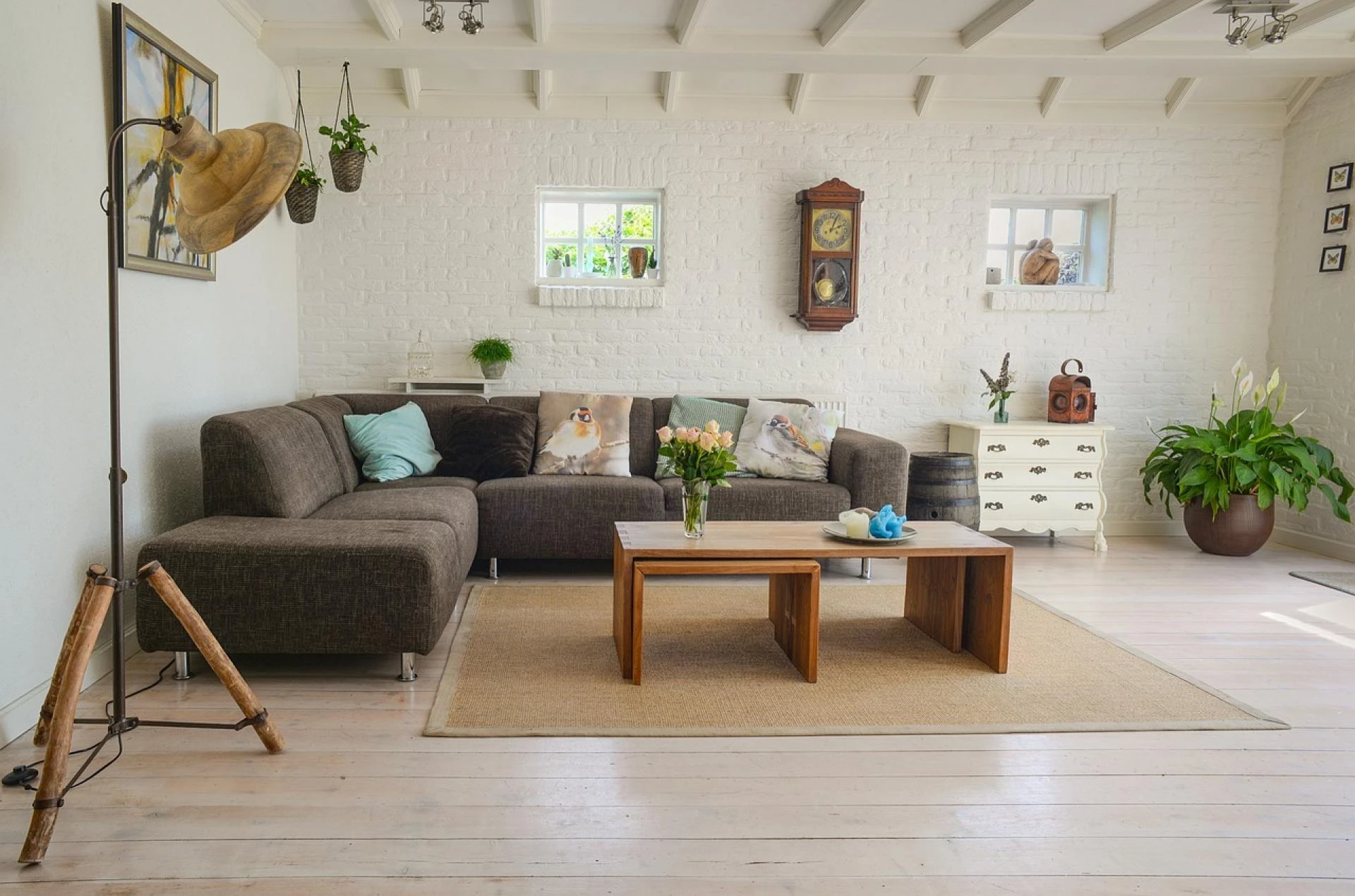
Light wood floors are the hero choice for small rooms. They visually open up the space, reflecting natural and artificial light while creating a sense of continuity across walls and furniture. Natural figures and textures can make even a compact room feel expansive.
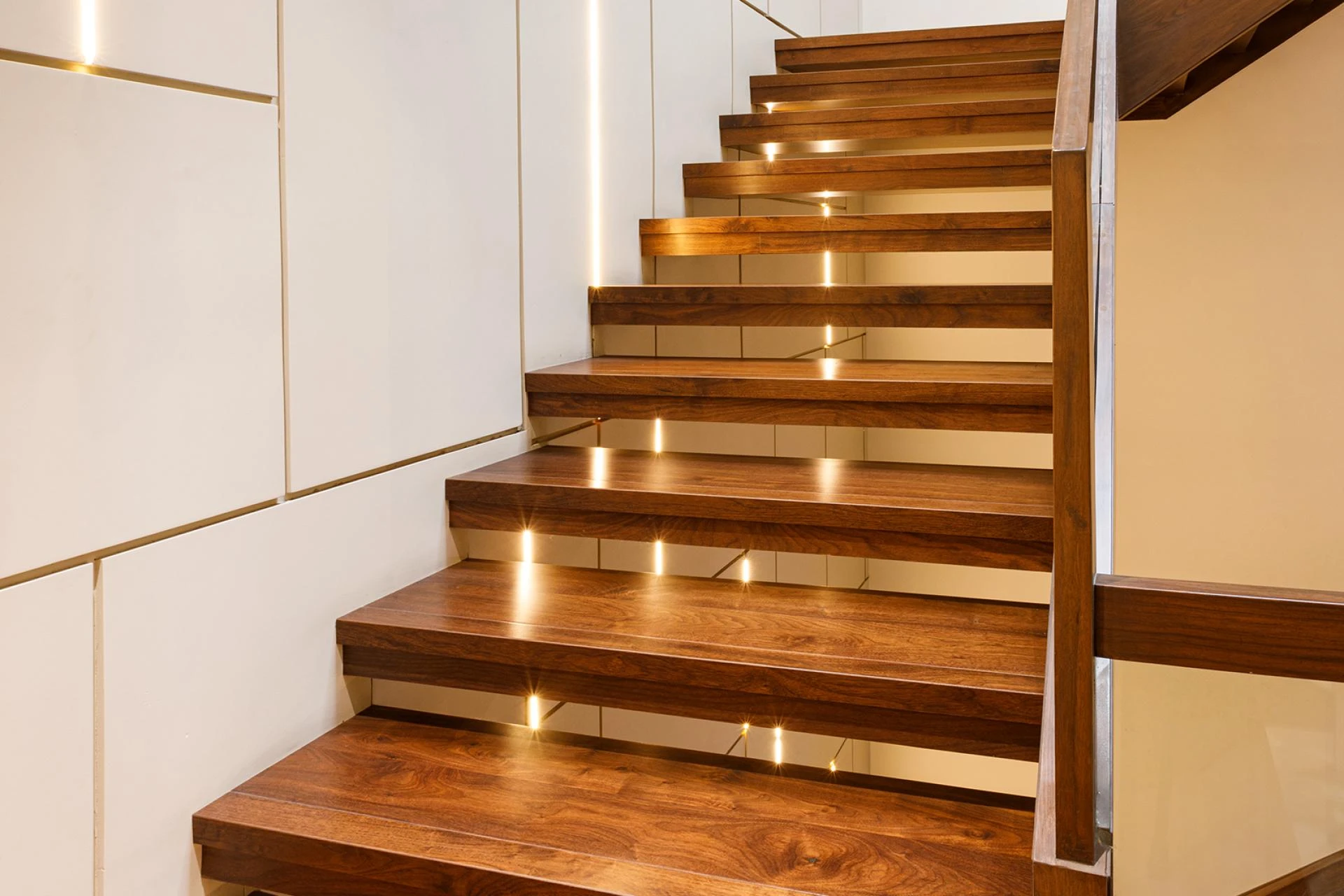
Dark wood floors, by contrast, add drama and sophistication but can make a small room feel cozier or even confined if not balanced with light walls and furnishings. Refrain from smoked or dark stain veneers in compact areas unless you aim for a deliberately intimate atmosphere.
Combining light wood flooring with neutral wall tones enhances spaciousness while retaining warmth. Using rugs sparingly can define areas without breaking the visual flow.
Selecting the right shade depends on the room’s lighting, function, and the atmosphere you wish to create. For example, bedrooms or reading nooks may benefit from slightly darker tones for a cosy feel, while living rooms or kitchens in small apartments often perform better with light wood floors that make the space appear larger.
Pay attention to these factors:
- Finish choice: Satin or matte finishes work best to avoid glare, while high-gloss floors can reflect light but also highlight imperfections.
- Colour consistency: Avoid high-contrast mixed tones in a single room, as this can disrupt the sense of space. Subtle variations add texture without crowding the visual field.
- Edge style: Straight-edge planks maintain clean lines; bevelled edges can add a subtle shadow effect but may break visual continuity if overused.
- Natural grain and patterns: Choose grains that are linear or flowing, as swirling or busy patterns can make small rooms feel cluttered.
Pattern and Plank Orientation Tips
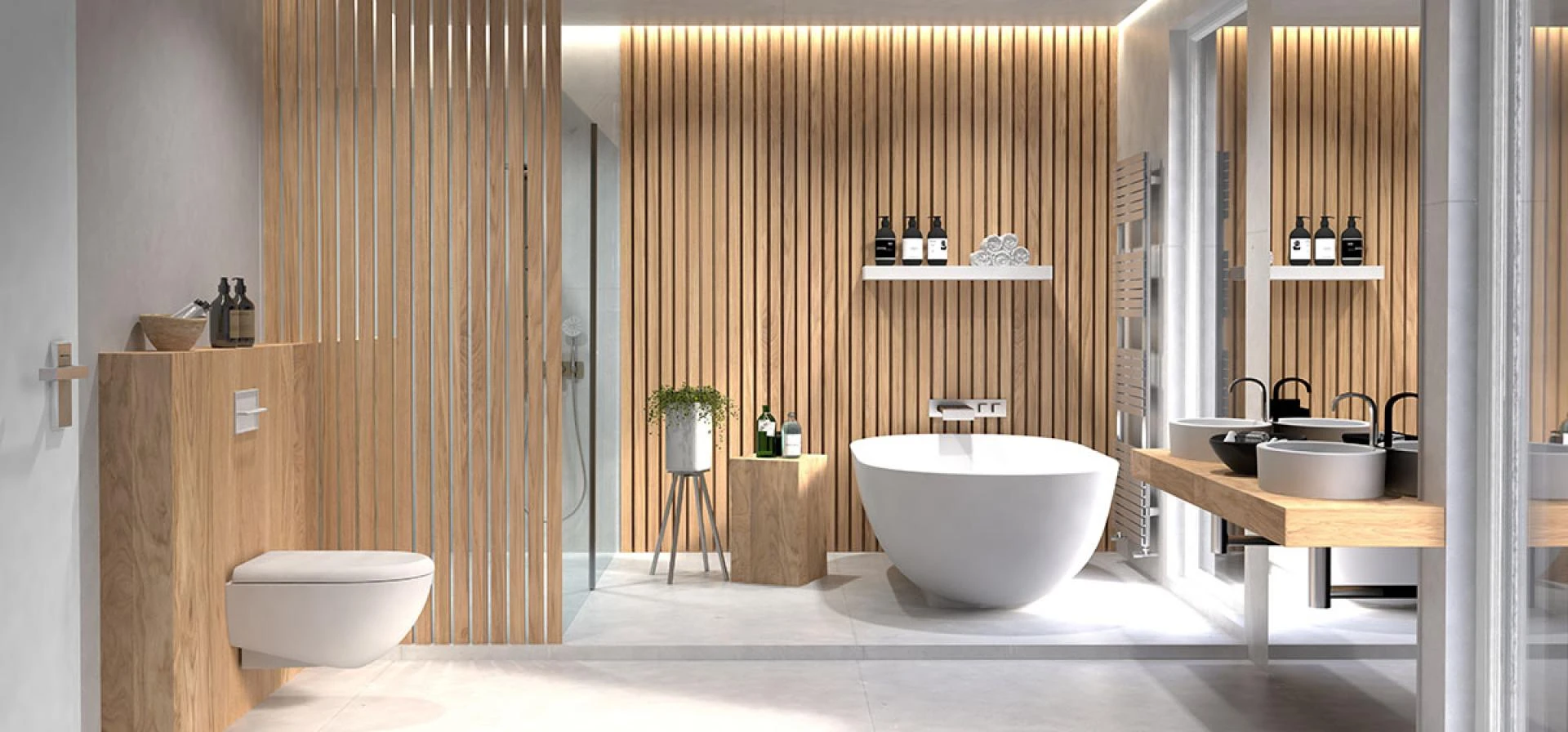
The way planks are arranged has a significant impact on the perception of space. Horizontal planks, laid parallel to the longest wall, can make a room appear wider. Choose long planks and one or two strip wooden flooring types. Diagonal or herringbone patterns in lighten tones add depth and visual interest, creating the impression of more space without overcrowding the floor.
Avoid overly complex patterns in small rooms, as they can overwhelm the eye and reduce the sense of openness.
Additional pointers:
- Direction relative to entry: Placing planks in line with the main entry path guides the eye forward, creating a sense of length.
- Avoid complex multi-direction patterns: While trendy, they can reduce the feeling of openness in small rooms.
- Consider mixed materials carefully: Combining wood with tile or carpet can work if transitions are clean and minimal, but too many breaks can make a space feel fragmented.
- Use subtle inlays or borders sparingly: In compact rooms, decorative inlays can add style, but excessive borders shrink the perceived floor area.
Simpler wood floor designs with longer, continuous planks are generally more effective for small spaces. The combination of plank orientation, tone, and grain texture can dramatically alter the room’s visual dynamics.
Complementing Furniture and Room Design
Wooden flooring works best when the rest of the room design complements it. Minimalist, low-profile furniture accentuates the impact of the floor, preventing the space from feeling cluttered. Matching the tone of the wooden floor with furniture creates cohesion, while contrasting tones can define zones in a small room.
Rugs can be used strategically to delineate areas such as seating or sleeping zones. However, avoid large, patterned rugs that break the continuity of the flooring, as they can visually shrink the room. For small spaces, transparency and subtle textures in furniture, combined with light wood floors, maximise the perception of openness.
Choosing the Right Wood Flooring Type
A variety of wooden floor types are available on the market beyond solid wood. The right selection can help choose a design that presents the best balance of durability, maintenance, cost, design, and overall feel.
- Solid Wood: Solid wood floors have timeless appeal and can be refinished multiple times, making them a long-term investment. For small rooms, light shades such as Oak, Walnut, Teak, Maple, or Birch work best, reflecting light and creating a sense of openness. While solid wood offers authenticity, it is generally expensive and requires careful maintenance and is sensitive to humidity, which may limit its suitability in certain areas of the home.
- Engineered Wood: Engineered wood flooring combines the beauty of solid wood with improved stability, making it ideal for smaller spaces that require both style and practicality. With a thinner top layer of real wood over a stabilizing core made of pine wood and a balancing layer of Pine Veneer, where the 3 layers are at cross grains to each other., engineered wood can expand or contract less in response to humidity. For small rooms, thinner planks can create a seamless look that enhances the sense of space. Among all wood flooring types, engineered wood offers the best balance between aesthetic appeal, durability, and ease of installation.
- Laminate Flooring: Laminate flooring provides a cost-effective alternative to solid or engineered wood. Wide plank options can mimic the appearance of real wood while creating the illusion of a larger area. Its versatility allows for creative wood floor designs without the higher investment of natural timber. And even though laminate is durable and easy to maintain, it lacks the natural appeal and texture of solid wood.
- Bamboo and Cork: Bamboo and cork floors are eco-friendly choices that bring natural warmth and texture. Vertical or horizontal plank orientation can influence how spacious a room feels. Lighter shades of bamboo or cork reflect more light, while the natural patterns in cork can add subtle depth without overwhelming the space. Both materials are softer underfoot, adding comfort alongside visual appeal. On the downside, bamboo can be prone to dents and scratches, and lower-quality options may fade over time. Cork, while resilient, is susceptible to water damage and can compress under heavy furniture, requiring careful maintenance.
Conclusion
Choosing the right wooden floor can transform a small room, making it feel open, airy, and inviting. Light wood floors, appropriate plank orientation, and complementary furniture work together to enhance spatial perception. Engineered wood flooring offers the ideal balance of practicality and style.
Before committing to a design, explore flooring samples in the context of your room, considering light, furniture, and intended atmosphere. Choosing the right brand ensures both quality and design flexibility. Several wooden flooring brands in India offer light wood floors and engineered wood options suitable for small rooms. When selecting a brand, consider product durability, warranty, and available finishes. With careful selection and installation, your small room can achieve a big impact, becoming a space that is both functional and visually appealing.




















Sign in to leave a comment.