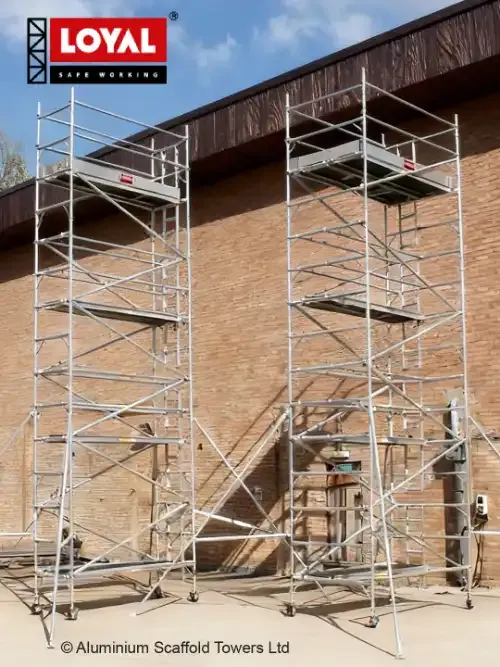

Small scaffolding towers provide a convenient and flexible solution for working safely at elevated heights. Designed for tasks that do not require large-scale scaffolding systems, these compact towers are commonly used for painting, maintenance, electrical work, plastering, installations, and general construction activities. Their portable design makes them particularly useful in areas where space is limited or frequent repositioning is required.
What Are Small Scaffolding Towers?
Small scaffolding towers are temporary access structures that provide a stable working platform above ground level. They typically consist of a lightweight but strong frame, working platform, guardrails, access arrangements, and stabilising components.
Unlike traditional scaffolding that may cover an entire building façade, a small tower can be assembled in a specific area and moved when required. Depending on the design, towers may be manufactured from aluminium, steel, or other durable materials.
Key Benefits of Small Scaffolding Towers
1. Easy to Move
One of the biggest advantages of small scaffolding towers is portability. Many models feature wheels or compact frames, allowing workers to reposition the tower conveniently when the work area changes.
2. Space-Saving Design
Compact scaffolding towers are suitable for locations where there is limited working space. They can be useful for indoor maintenance, narrow work areas, workshops, warehouses, and smaller construction projects.
3. Stable Working Platform
A properly assembled tower provides workers with a dedicated platform for carrying tools and performing tasks at height. Guardrails and other safety components can help reduce the risk of falls when the tower is correctly installed and used.
4. Versatile Applications
Small scaffolding towers can be used for various jobs, including painting and decorating, ceiling work, lighting installation, electrical maintenance, plastering, repairs, and general building maintenance.
Choosing the Right Small Scaffolding Tower
When selecting a scaffolding tower, consider the required working height, platform dimensions, maximum load capacity, material, mobility, and working environment. The tower should be appropriate for the specific task and comply with applicable safety requirements.
It is also important to consider whether the tower will be used indoors or outdoors. Outdoor applications may require additional attention to ground conditions, weather, wind exposure, and stabilisation.
Safety Considerations
Safety should always be a priority when using scaffolding towers. The structure should be assembled according to the manufacturer's instructions and inspected before use. The ground should be firm, level, and suitable for supporting the tower.
Workers should use the designated access system rather than climbing on the outside of the structure. Overloading the platform, moving an occupied tower, or using damaged components can create serious hazards. Regular inspections and proper maintenance are essential for continued safe operation.
Applications of Small Scaffolding Towers
Small scaffolding towers are widely used across construction and maintenance environments. Common applications include residential renovation, commercial property maintenance, painting, decorating, electrical installation, HVAC work, lighting repairs, ceiling installation, and warehouse maintenance.
Their combination of portability, compact size, and elevated access makes them a practical option for many short-duration and low-to-medium-height tasks.
Conclusion
Small scaffolding towers offer a practical way to create elevated working platforms while maintaining flexibility in confined or changing work environments. Their compact design, portability, and versatility make them suitable for numerous construction and maintenance applications. Selecting the correct tower and following appropriate assembly, inspection, loading, and usage procedures are essential for safe and efficient work at height.
FAQs
1. What are small scaffolding towers used for?
They are commonly used for painting, maintenance, electrical work, installations, repairs, plastering, and other tasks requiring temporary elevated access.
2. Are small scaffolding towers portable?
Many small towers are designed for portability and may include wheels or lightweight components for easier repositioning.
3. What should I consider when buying a scaffolding tower?
Consider working height, platform size, load capacity, construction material, mobility, stability, and applicable safety requirements.
4. Can small scaffolding towers be used indoors?
Yes, suitable models can be used indoors for tasks such as ceiling work, painting, lighting installation, and maintenance, provided the environment and ground conditions are appropriate.
5. How can scaffolding towers be used safely?
Follow the manufacturer's assembly instructions, use a stable and level surface, inspect components before use, stay within the rated load capacity, and use the designated access system.

























Sign in to leave a comment.