

Introduction
Standing in front of a product catalogue with dozens of smart devices available is exactly where most people's enthusiasm for smart home automation in Dubai starts to stall. Everything looks appealing—lights, locks, climate, cameras, blinds—but very few guides actually address the more practical question: if you can only start with one or two categories, which ones genuinely deliver the most value first?
This matters because sequencing affects both budget and satisfaction. Starting with the wrong category often means spending on something that feels exciting initially but delivers limited daily value, while the features that would have made the biggest practical difference get pushed to "maybe later" and sometimes never actually happen.
This article ranks the major categories of home automation by genuine impact and ease of adoption, based on what actually tends to get used consistently versus what tends to sit underused after the initial installation excitement fades.
How to Think About Prioritisation
Before ranking specific categories, it helps to establish the criteria that actually matter when deciding where to start.
A useful starting point weighs three factors against each other: how often a category gets used in daily life, how difficult or disruptive it is to install, and how much genuine problem-solving value it provides beyond simple novelty. Categories scoring well across all three tend to be strong starting points, while those offering only occasional or purely aesthetic value are usually better suited to later expansion rather than an initial investment.
This framework matters more than following a generic, one-size-fits-all product list, since the right starting point genuinely depends on a household's specific pain points rather than what happens to be trending in broader smart home automation in Dubai discussions.
Priority One: Smart Locks and Access Control
For most Dubai households, smart locks represent the strongest starting point, addressing a genuinely common daily frustration rather than simply adding convenience for its own sake.
Why This Ranks First
Physical keys create real, recurring friction, managing spares for staff, dealing with lockouts, and the simple inconvenience of needing a physical object to enter your own home. Smart locks solve this directly and immediately, with benefits felt from the very first day of use rather than requiring a learning curve or behavioral adjustment.
Immediate Practical Benefits
Time-limited access codes for staff, remote unlocking for expected guests, and simply never worrying about a forgotten or lost key all deliver genuine, daily value that most households notice immediately, making this category one of the more consistently well-reviewed starting points among first-time automation adopters.
Priority Two: Climate Control
Given Dubai's climate, smart thermostats and climate zoning represent an unusually strong second priority, offering both comfort and meaningful cost benefits.
Cooling typically represents a significant share of household utility costs in this climate, meaning even modest efficiency improvements from scheduled or occupancy-based climate automation tend to produce noticeable savings over time. Arriving home to a comfortable temperature, rather than waiting twenty minutes for a space to cool down after manually adjusting a thermostat, represents a genuine, immediately felt quality-of-life improvement.
This category pairs particularly well with the access control priority above, since combining the two allows a home to automatically adjust climate settings based on whether someone has actually entered or left, without requiring separate manual steps for each system.
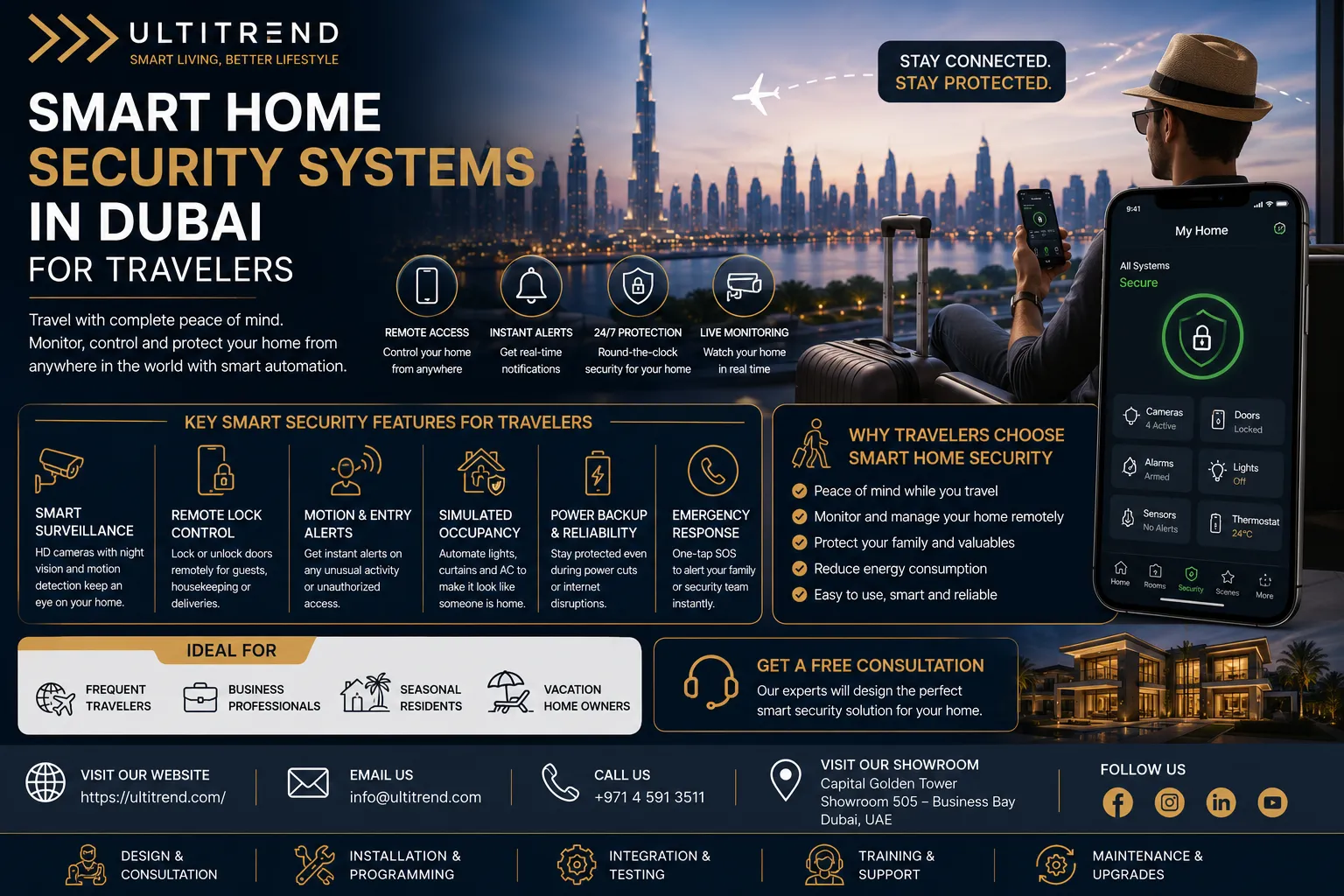
Priority Three: Basic Security Cameras and Sensors
Foundational security devices, a doorbell camera and a couple of well-placed sensors, tend to rank highly for the peace of mind they provide relative to their genuinely modest cost and installation effort.
Unlike more elaborate smart home security systems in Dubai involving extensive coverage and professional monitoring, a basic starting setup, one or two cameras and an entry sensor, delivers meaningful reassurance without requiring a significant upfront investment or complex installation. This is particularly relevant for renters or apartment owners not yet ready to commit to a more extensive system, since basic security devices are generally straightforward to install without structural modification.
Expanding this category further, additional sensors, more comprehensive coverage, professional monitoring, tends to make more sense once a household has confirmed the basics genuinely fit their needs and habits.
Priority Four: Lighting Automation
Lighting often gets recommended as a first step in generic smart home guides, but it genuinely ranks lower in practical priority for most households compared to locks, climate, and basic security.
Why Lighting Ranks Lower Despite Its Popularity
Lighting automation is undeniably pleasant, but it rarely solves a genuine daily frustration the way locks or climate control does. Most households adjust perfectly well with standard light switches, meaning the value of automation here is more about enhanced convenience and ambiance than solving an actual recurring problem.
When Lighting Makes More Sense as an Early Priority
For households specifically interested in entertainment-focused automation, movie scenes, mood lighting for gatherings, or households with mobility considerations where physical switches are genuinely difficult to reach, lighting can reasonably move up in priority based on those specific circumstances rather than general recommendation.
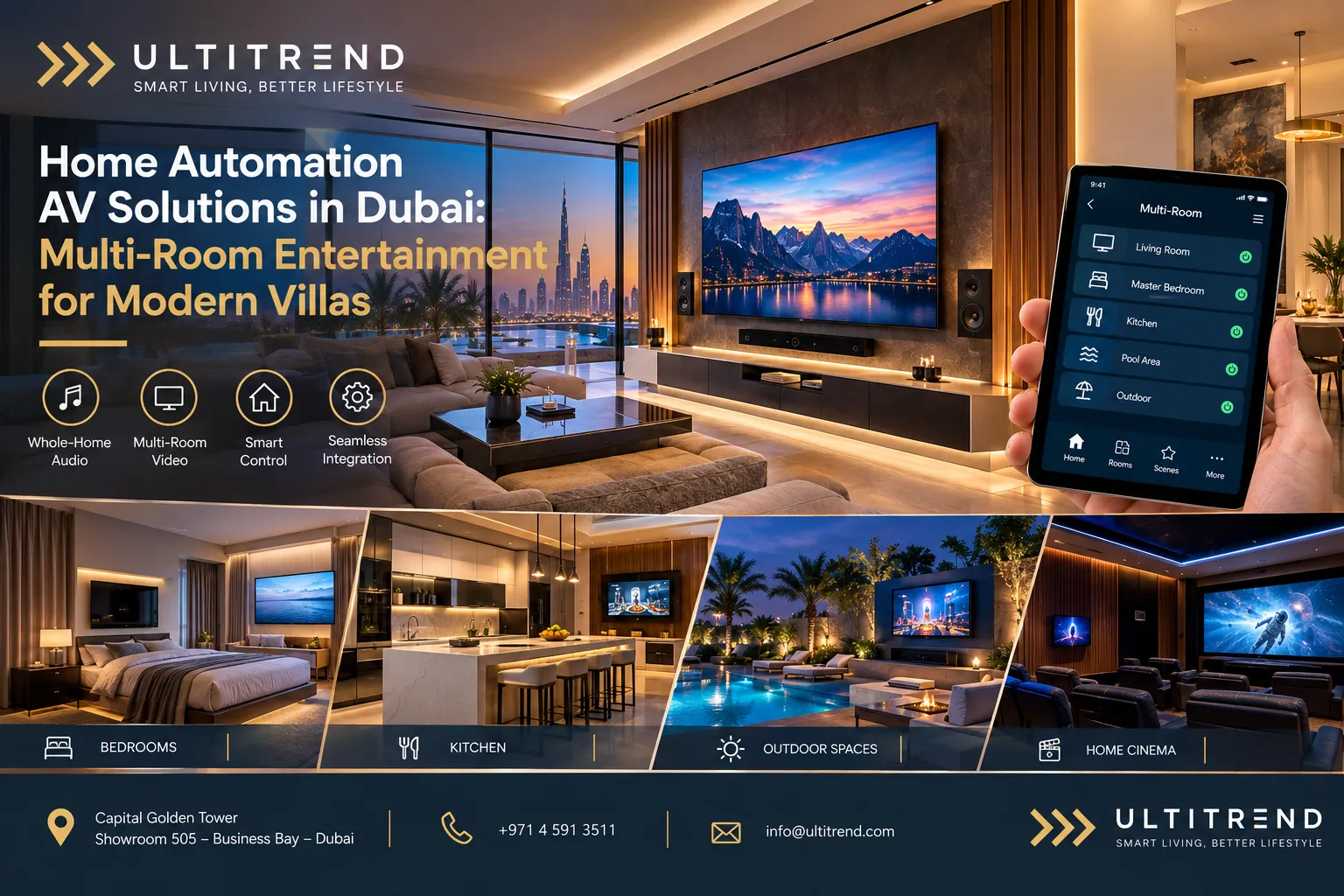
Priority Five: Entertainment and AV Automation
Entertainment automation, while genuinely enjoyable once implemented, typically ranks as a later priority rather than an initial starting point for most households.
This category tends to involve higher costs and more complex installation, particularly for multi-room or whole-villa setups, without addressing the kind of daily friction that locks or climate control genuinely solve. It remains a worthwhile addition for households with strong entertainment priorities, but starting here before addressing more foundational categories often results in an impressive but ultimately incomplete system that misses the more broadly useful automation categories entirely.
Priority Six: Advanced or Niche Automation Features
A final category includes more specialized or niche automation, smart irrigation, advanced water leak detection, elaborate multi-condition automation rules, which genuinely offer value but tend to matter more once foundational categories are already well established.
These features work best as thoughtful additions once a household has confirmed which core categories genuinely fit their lifestyle, rather than as an entry point into automation more broadly, since their value tends to be more situational and less universally applicable than the foundational priorities above.
A Practical Starting Sequence
Bringing these priorities together into a suggested sequence helps translate the ranking into an actual purchasing and installation plan.
- Start with smart locks, addressing the most immediate, universally felt daily frustration with minimal installation disruption.
- Add climate automation next, particularly relevant given Dubai's cooling costs and the comfort benefit of arriving home to an already-adjusted temperature.
- Introduce basic security devices, a doorbell camera and a couple of sensors, providing meaningful peace of mind without a major initial investment.
- Expand into lighting once the foundational categories are established, particularly if entertainment or accessibility needs make this a genuine priority for your household.
- Consider entertainment and AV automation as budget and interest allow, recognizing this category typically works best as an enhancement rather than a starting point.
- Add niche or advanced features last, once core categories are confirmed to genuinely fit your household's actual habits and needs.
This sequence is not a rigid rule, since individual household priorities genuinely vary, but it reflects the pattern that tends to produce the highest satisfaction and lowest regret among households building out smart home automation in Dubai gradually rather than all at once.
Adjusting Priority Based on Property Type
Villa and apartment owners often see meaningfully different priority orderings based on their specific property characteristics and constraints.
Villa owners, managing larger properties with more entry points and often staff or driver access, tend to see an even stronger case for prioritizing locks and access control specifically, given the added complexity of managing physical keys across a larger household. Apartment owners, working within building restrictions on modifications, often find climate and basic security devices easier to implement initially than extensive lock or gate integration, which may require building management approval before proceeding.
Considering your specific property type honestly, rather than following a generic sequence regardless of circumstances, tends to produce a more genuinely useful starting point.
Avoiding the Common Sequencing Mistake
A pattern worth flagging explicitly involves households purchasing based on what feels exciting or heavily marketed, rather than what actually solves a genuine daily problem.
This often results in impressive, but ultimately underused technology, elaborate lighting scenes rarely activated, and entertainment automation used only occasionally, while the more mundane but genuinely valuable categories, reliable locks and efficient climate control, remain unaddressed. Prioritising genuine daily utility over initial excitement, even when it means starting with less visually impressive categories, tends to produce considerably higher long-term satisfaction with a smart home automation investment in Dubai overall.
If you are unsure which category genuinely matches your household's actual daily frustrations, spending a week simply noting small inconveniences, forgotten keys, uncomfortable temperatures upon arrival, and security concerns while travelling often reveals a clearer, more personalized starting priority than any general ranking alone.
Conclusion
Deciding what to automate first within smart home automation in Dubai comes down to genuine daily impact rather than which category happens to look most impressive in a showroom or product listing. Smart locks, climate control, and basic security consistently rank as the strongest starting points for most households, addressing real, recurring frustrations rather than simply adding novelty.
For homeowners just beginning this process, starting with these foundational categories and then expanding gradually into lighting, entertainment, and more specialized features tends to produce a system that genuinely earns its place in daily life rather than becoming an expensive collection of underused features.
Find the Right Starting Point for Your Home
If you are unsure where to begin with your own smart home automation project, our team can help identify which categories would genuinely deliver the most value for your specific household and property. Reach out to start planning your first steps.
Frequently Asked Questions
What should be the first thing I automate in my home? Smart locks generally offer the strongest starting point for most households, addressing daily key management frustrations with minimal installation disruption and immediate practical benefit.
Is lighting automation a good first step for smart home automation? Not usually as a first priority, since most households adjust well to standard switches. Lighting tends to add more value once foundational categories like locks and climate control are already established.
Why does climate automation rank so highly for Dubai homes specifically? Cooling represents a significant share of household utility costs in Dubai's climate, making even modest efficiency improvements from smart climate control genuinely impactful for both comfort and cost.
Should villa owners prioritize automation differently than apartment owners? Yes, villa owners often benefit more immediately from access control given larger properties and staff management, while apartment owners may find climate and basic security easier starting points due to building restrictions.
Is it better to automate everything at once or start gradually? Starting gradually with foundational categories tends to produce better long-term satisfaction, allowing households to confirm what genuinely fits their needs before expanding further.
How do I know which automation category would benefit my household most? Tracking small daily frustrations, such as forgotten keys or uncomfortable temperatures upon arrival, for about a week often reveals a clearer, more personalized starting priority than generic recommendations.




















Sign in to leave a comment.