Smart Home Security Ideas for Safer and More Protected Living Spaces

Creating a safer home begins with understanding potential risks and choosing practical measures that protect residents, belongings, and accessible areas around the property. Doors, windows, outdoor spaces, and entry points can all benefit from thoughtful security improvements that suit the household's routines. Modern technology offers additional ways to monitor activity, manage access, and improve awareness of unusual events. Effective home security combines physical protection, suitable surveillance, reliable lighting, and responsible daily habits. When these measures work together, homeowners can establish a more organised approach to household protection without making everyday living unnecessarily complicated.
Understanding the Foundations of Household Security
A secure household depends on several measures working together rather than relying on one device or technology. Strong locks, well-maintained doors, suitable window protection, outdoor lighting, and clear access arrangements can help address common vulnerabilities. Surveillance equipment may provide additional information about activity around entrances and other important locations. Before selecting products, homeowners should assess the property's layout, occupancy, and potential risks. This assessment helps identify practical improvements and ensures that available resources are directed towards measures that provide meaningful benefits instead of unnecessary additions.
Assessing Potential Risks Around the Property
Every property has different characteristics that influence its security requirements. Ground-floor windows, rear entrances, side passages, garages, and garden gates may provide access points that deserve attention. Poor lighting or obstructed views can also make some locations harder to monitor. Homeowners should walk around the property and identify areas where access control or visibility could be improved. This simple review can reveal opportunities to strengthen locks, adjust lighting, or introduce suitable monitoring. Regular assessments help ensure that security measures remain appropriate as the property's surroundings and household routines change.
Establishing Practical Security Priorities
Not every security improvement needs to be completed at once. Homeowners can begin with essential measures, such as repairing damaged locks, securing accessible windows, and improving lighting around main entrances. Additional measures can then be considered according to the property's needs and available budget. Prioritising improvements helps prevent spending on equipment that does not address the most important risks. A clear plan also makes maintenance easier because each measure has a defined purpose. Reviewing priorities periodically ensures that improvements continue to support the household's actual security requirements.
Improving Door and Window Protection
Doors and windows are important parts of a property's physical security because they provide access between indoor and outdoor spaces. Suitable locks, properly fitted frames, and well-maintained hinges can help strengthen these areas. Homeowners should check for loose fittings, damaged glass, deteriorated frames, and other weaknesses that could affect security. Accessible windows may require additional attention, particularly when they are hidden from clear observation. Physical protection should be selected according to the property's design and relevant safety requirements, ensuring that security improvements do not interfere with safe escape during an emergency.
Strengthening Main Entrances
Front and rear doors should close securely and operate correctly without excessive movement or damaged locking mechanisms. Homeowners should inspect door frames, hinges, handles, and locks for signs of wear or damage. Where improvements are needed, suitable repairs or professional advice can help determine the most appropriate solution. Entry doors should also remain convenient for authorised household members while preventing unnecessary access. A secure entrance works best when combined with sensible key management, careful visitor practices, and appropriate lighting that improves visibility around the doorway.
Securing Accessible Windows
Windows can require additional protection when they are located at ground level or in areas that are difficult to observe. Homeowners should ensure that window locks operate properly and that damaged frames or fittings are repaired. Curtains and blinds can also help limit unnecessary visibility of valuable belongings from outside. Security measures should not compromise ventilation or emergency escape arrangements. A balanced approach considers both protection and everyday safety, helping residents maintain a comfortable living environment while reducing avoidable weaknesses around accessible windows.
Using Surveillance to Improve Awareness
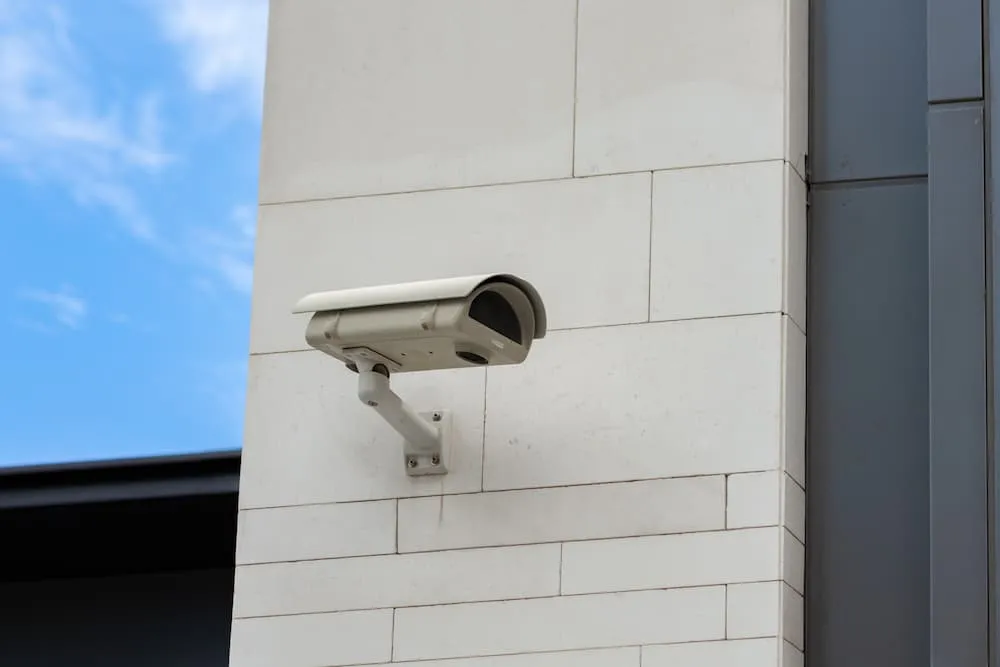
Surveillance cameras can provide useful information about activity around entrances, driveways, garages, and other selected areas. Depending on the equipment, homeowners may view live images, receive movement notifications, or review recordings after an incident. Camera placement should reflect the property's layout and the locations where monitoring would be most useful. Image quality, lighting, recording capacity, and connectivity all influence performance. Cameras should complement physical security rather than replace it, because recorded footage cannot guarantee that an incident will be prevented or that every event will be captured clearly.
Choosing Suitable Camera Locations
The most useful camera positions depend on the property's specific requirements. Main entrances may benefit from focused views, while larger outdoor spaces may require wider coverage. Homeowners should consider viewing angles, mounting height, nearby obstructions, and the distance from the intended monitoring area. Direct sunlight and poor nighttime illumination can reduce image clarity, so lighting should also be considered during planning. Cameras should avoid unnecessary monitoring of neighbouring homes or private spaces. A carefully planned arrangement can provide useful visibility while respecting privacy and avoiding excessive equipment.
Understanding Recording and Storage
Recorded footage can help homeowners review activity that was not directly witnessed. Storage arrangements should provide sufficient capacity for the number of cameras, image quality, recording schedule, and required retention period. Continuous recording may suit locations where uninterrupted footage is important, while motion-triggered recording can reduce storage demands. Homeowners should test playback and confirm that recordings are stored correctly. Access to footage should be restricted to authorised users, and recordings should be retained only for an appropriate period. These practices help preserve useful information while protecting personal privacy.
Installing Effective Outdoor Lighting
Outdoor lighting can improve visibility around entrances, pathways, driveways, and garden access points. Well-positioned lights help residents move around the property more safely and may make it easier to observe activity after dark. Homeowners can consider fixed lighting for regularly used areas and motion-activated options where suitable. The choice should reflect the property's layout, power availability, and surrounding environment. Lighting should provide sufficient visibility without creating excessive glare or disturbing neighbouring properties. Regularly checking bulbs, sensors, and fittings helps maintain consistent performance throughout the year.
Choosing Lighting for Entry Points
Entrances, steps, side passages, and garage doors often benefit from adequate illumination. Lights near these locations can help residents identify visitors, use keys safely, and notice obstacles when arriving after dark. Positioning is important because poorly directed light can create shadows or shine directly into a camera lens. Homeowners should consider how lighting interacts with surrounding walls, doors, and nearby windows. Appropriate fixtures and weather protection can improve durability outdoors. A practical lighting arrangement supports everyday convenience while complementing other measures around the property's access points.
Considering Motion-Activated Lights
Motion-activated lights switch on when compatible sensors detect movement within a selected area. They can be useful around driveways, garden paths, and entrances that do not require constant illumination. Correct sensor positioning and sensitivity settings help reduce unnecessary activation from passing traffic, animals, or moving vegetation. Homeowners should test the lights under realistic conditions and adjust their direction where needed. Regular maintenance helps ensure that sensors and lamps continue to work correctly. Motion-activated lighting can provide a convenient addition to household protection when configured to suit the surrounding environment.
Making Smart Locks and Access Controls More Useful
Smart locks and electronic access devices can offer alternatives to conventional key-based entry arrangements. Depending on the model, they may support keypad entry, authorised mobile access, temporary access codes, or activity records. These features can be convenient for households that regularly receive visitors or manage access for trusted service providers. However, electronic access should be selected according to the property's needs and the user's ability to manage it securely. Homeowners should understand backup entry methods, power requirements, and access permissions before relying on smart equipment.
Managing Access Permissions
Access controls should make it clear who is authorised to enter the property and under what circumstances. Temporary codes may be useful when a visitor needs access for a limited period, while permanent permissions can be reserved for regular household members. Homeowners should remove access rights when they are no longer necessary and avoid sharing credentials unnecessarily. Devices should be configured according to the manufacturer's guidance, with strong account security where connected features are available. Regular reviews help prevent old permissions from remaining active after household arrangements change.
Preparing for Equipment Problems
Electronic devices can experience depleted batteries, connectivity issues, or software problems. Homeowners should understand how the equipment behaves when power or network access is interrupted. Suitable backup procedures may include mechanical keys or other manufacturer-approved entry methods. Battery warnings and maintenance instructions should be reviewed rather than ignored. Preparing for possible failures reduces the likelihood that a technical problem will prevent authorised entry. Reliable access arrangements should always prioritise safe, practical operation instead of depending entirely on a single electronic feature.
Protecting Home Networks and Connected Devices
Connected security equipment relies on digital systems that require appropriate protection. Cameras, smart locks, sensors, and other network-enabled devices may store personal information or provide access to important household functions. Weak passwords, outdated software, and unnecessary account permissions can increase the risk of unauthorised access. Homeowners should use strong, unique passwords and enable additional authentication protections where available. Software updates should be installed according to the manufacturer's instructions. These practices help reduce common cybersecurity risks and protect connected equipment from avoidable weaknesses.
Using Strong Passwords and Authentication
Each connected security account should use a strong password that is not reused for unrelated services. Additional authentication methods can provide another layer of protection when supported. Default login credentials should be changed before equipment is put into regular use, and account details should be shared only when necessary. Homeowners should also review authorised devices and remove access that is no longer required. These steps can help protect camera footage, access controls, and other sensitive information. Good account management is an important part of maintaining a secure connected home.
Keeping Devices Updated
Software updates can address security weaknesses, improve compatibility, and correct technical problems. Homeowners should review update instructions for connected cameras, smart locks, routers, and other relevant devices. Equipment that no longer receives security updates may require reassessment, especially if it remains connected to the home network. Updates should be obtained through the manufacturer's supported process rather than unfamiliar sources. Regular checks help ensure that connected devices remain appropriately maintained. Combined with secure passwords and restricted permissions, updated software supports more reliable operation and stronger protection for household technology.
Developing Safer Everyday Household Habits
Technology can support security, but everyday habits remain essential. Household members should check that doors and windows are secured before leaving, avoid leaving spare keys in obvious outdoor locations, and take care when sharing information about extended absences. Deliveries can be arranged thoughtfully, and valuable belongings should not be left unnecessarily visible from outside. Residents should also agree on basic security routines so that responsibilities are clear. Consistent habits help reduce avoidable risks and ensure that installed equipment works alongside sensible daily behaviour.
Managing Keys and Visitor Access
Keys should be distributed only to trusted individuals who genuinely need access. Spare keys should be stored securely rather than hidden in predictable outdoor locations. When keys are lost or household arrangements change, homeowners should consider whether locks or access permissions need updating. Visitors and service providers should receive only the access required for their visit. These practices reduce uncertainty around who can enter the property and help maintain better control over access without creating unnecessary inconvenience for residents.
Preparing for Holidays and Extended Absences
Properties may need additional attention when residents are away for several days. Homeowners can arrange for a trusted person to check the property, collect deliveries, and report any concerns. Suitable lighting schedules may help maintain normal household patterns, while secure doors and windows remain essential. Publicly sharing detailed travel dates can create avoidable risks. Connected cameras may provide additional awareness, but remote monitoring should not replace appropriate physical precautions. Preparing in advance helps residents leave with greater confidence that basic security arrangements remain in place.
Maintaining Security Equipment Over Time
Security equipment needs regular checks to remain dependable. Cameras can become obstructed by dust, insects, or growing vegetation, while outdoor lights may fail or sensors may become misaligned. Locks, hinges, and door fittings can also deteriorate through everyday use. Homeowners should inspect important components periodically and arrange repairs when problems are identified. Connected equipment should be checked for recording failures, weak connectivity, and outdated software. A simple maintenance routine helps identify issues early and reduces the risk of relying on equipment that no longer performs as intended.
Reviewing Security After Home Improvements
Renovations, extensions, new fences, and changes to landscaping can affect the property's security arrangements. A new structure may obstruct a camera view, while a relocated entrance could create a monitoring gap. Homeowners should review existing measures after significant changes and determine whether equipment or lighting needs adjustment. New household routines may also create different access requirements. Reviewing the entire arrangement helps ensure that security measures remain relevant rather than assuming that an earlier installation will always provide adequate coverage.
Balancing Protection With Privacy
Household security should respect the privacy of residents, visitors, and neighbours. Cameras should focus on relevant areas and avoid unnecessary recording of neighbouring homes, private gardens, or sensitive indoor spaces. Connected devices should be protected against unauthorised access, and recorded information should be handled responsibly. Homeowners should understand applicable requirements concerning personal information and surveillance. Clear household rules can establish who may view footage and how long it should be retained. These practices help ensure that monitoring remains proportionate to genuine security needs.
Conclusion
A safer living environment can be achieved through a combination of physical protection, surveillance, effective lighting, controlled access, digital safeguards, and consistent household habits. Homeowners should begin by assessing their property's vulnerabilities and prioritising improvements that address genuine concerns. Regular maintenance, secure device settings, and responsible monitoring help keep these measures effective as circumstances change. No single product can address every risk, so a balanced approach remains essential. For guidance on suitable surveillance options and installation requirements, CCTV can help homeowners explore practical solutions that complement their wider household protection strategy.





Sign in to leave a comment.