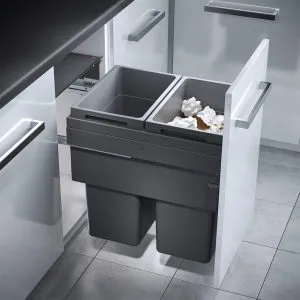

The cupboard beneath a kitchen sink often becomes a catch-all for cleaning products, spare cloths, recycling bags and waste containers. Because plumbing takes up part of the available area, this cupboard can be awkward to organise. A well-planned waste storage setup can make the space much easier to use without changing the overall kitchen layout.
There are many types of kitchen bins available, but the best choice depends on cupboard dimensions, daily household habits and how much waste is produced. Instead of buying the first container that fits, it is worth considering how the bin will be accessed, emptied and cleaned. Small design decisions can make a noticeable difference to everyday convenience.
Start by Understanding the Space You Have
Under-sink cupboards are rarely simple rectangular spaces. Pipes, plumbing fittings and the sink bowl can reduce usable height and depth, so measurements should be taken before selecting a bin.
Measure Before You Shop
Measure the available width, depth and height with the cupboard doors open. Pay attention to anything that could interfere with movement, including plumbing connections and shelves.
The door opening also matters. A container may physically fit inside the cabinet but still be difficult to remove if the opening is narrow. For households considering kitchen bins, comparing dimensions and access arrangements can help prevent an inconvenient purchase.
Think about where the waste container will sit relative to the sink. A bin that is easy to reach while preparing food can reduce the need to carry scraps across the kitchen.
Why Accessibility Matters
A waste container is used many times throughout the day, so accessibility deserves as much attention as capacity. A bin hidden deep inside a cupboard may technically save floor space but become frustrating if every use requires moving other items.
Make Everyday Disposal Simpler
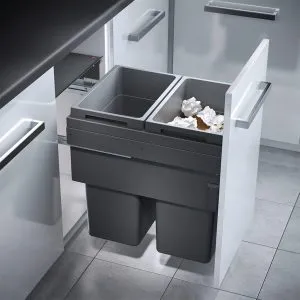
A pull-out design can bring the container towards the user instead of requiring someone to reach into the back of the cupboard. This can be particularly useful in compact kitchens where floor space is limited.
A suitable pull out bin can also make the cabinet easier to keep organised because the waste container has a defined position. Rather than sliding bags, bottles or cleaning supplies around it, other items can be arranged around a fixed storage zone.
Consider the Door and Cabinet Layout
Before choosing a moving bin system, check how the cupboard door operates. Hinged doors, double doors and different cabinet widths may affect the most practical installation style.
It is also useful to think about how the bin moves. The mechanism should have enough clearance to operate without catching on plumbing or nearby storage. Leaving a little practical working room can be more valuable than filling every available centimetre.
Capacity Should Match Your Routine
A large bin is not automatically better. Its size should reflect how frequently your household produces waste and how often you prefer to empty the container.
For a smaller household, a compact container may be sufficient. Larger families may prefer more capacity or separate containers for different waste streams. If recycling is part of the household routine, allocating dedicated space for recyclable materials can make sorting easier.
When evaluating an under sink bin, consider these factors:
- Available cabinet dimensions
- Daily household waste volume
- Frequency of bin emptying
- Space required for recycling
- Ease of removing and replacing the waste bag
- Access to plumbing and cleaning supplies
- How easily the container can be cleaned
The goal is to create a setup that works with the kitchen rather than forcing the household to adapt around it.
Keep Cleaning in Mind
Waste storage naturally involves spills, crumbs and occasional leaks. A bin should therefore be positioned somewhere that allows the surrounding cabinet to be cleaned without too much effort.
Plan for Bag Changes
A container that is easy to pull forward can make changing a liner less frustrating. It should be possible to remove a full bag without knocking into pipes, shelves or other stored products.
Keep cleaning products separated from food-related items and avoid overcrowding the cupboard. A little empty space around the bin can make routine maintenance considerably easier.
Another useful habit is to check the cabinet periodically. Wiping the base and sides of the cupboard helps identify leaks or spills before they become bigger problems.
Think Beyond the Bin Itself
Under-sink organisation works best when the entire cabinet has a purpose. The waste container should not compete for space with every other household item.
One practical arrangement is to keep the waste container in the most accessible section and place less frequently used cleaning products towards the side. Bags can be stored in a small holder or another defined area rather than left loose on the cabinet floor.
If multiple waste containers are used, consider whether they can be positioned without blocking each other. Clear access is more useful than simply fitting several containers into a small cupboard.
Why Choose Us
A kitchen storage solution should be practical first. We focus on helping customers explore waste-bin options that can suit different cabinet arrangements and everyday kitchen routines.
Our approach centres on clear product information, sensible selection and straightforward communication. Rather than encouraging customers to choose based only on appearance, we believe dimensions, access, capacity and cabinet compatibility deserve proper consideration.
The aim is simple: help make kitchen waste storage easier to manage while keeping the surrounding cupboard useful and organised.
About Us
We provide kitchen waste storage options for people looking for more organised ways to manage everyday rubbish. Our range is intended to help households consider different cabinet-based approaches instead of relying only on freestanding bins.
We believe a good kitchen product should make an ordinary household task feel less inconvenient. By providing practical choices and relevant product information, we help customers make decisions based on their own space and requirements.
Final Thoughts
The area beneath a kitchen sink may be awkward, but it does not have to become wasted storage. Measuring the cabinet, considering access, choosing suitable capacity and leaving enough room for maintenance can turn an untidy cupboard into a much more functional part of the kitchen.
The right bin is ultimately the one that fits both the cabinet and the household routine. A little planning before purchase can make waste disposal, bag changes and everyday organisation noticeably easier.























Sign in to leave a comment.