

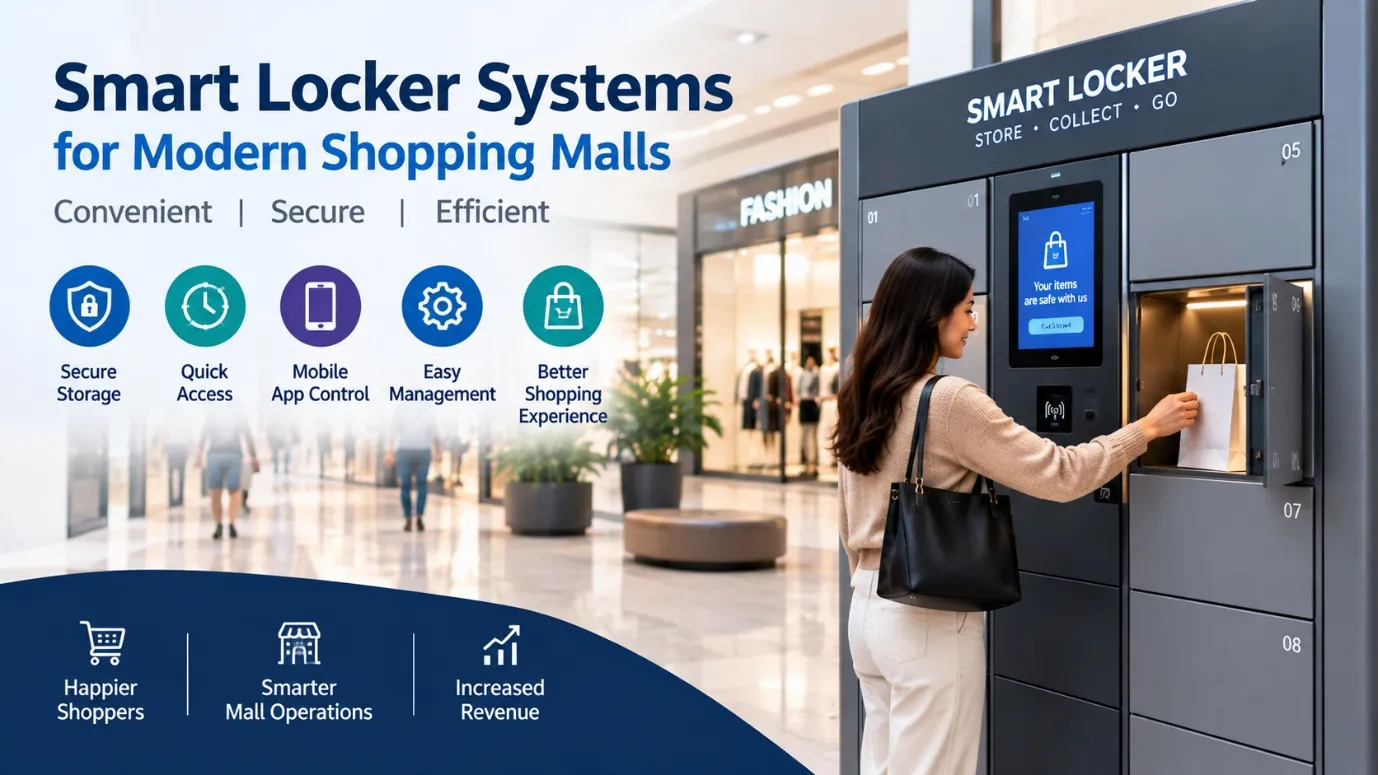
Smart Locker Systems for Modern shopping malls in Bahrain are redefining how shoppers store purchases, collect online orders, and move through retail destinations without friction. Mall operators from Manama to Muharraq are adopting a connected Smart Locker System to manage parcels, personal belongings, and operational assets securely around the clock.
This article explains how intelligent lockers work, where they create the most value inside a mall, which privacy and safety points deserve attention, and how to plan a rollout that delivers measurable results. It is written for mall owners, property and facility managers, retail tenants, and technology teams who want a practical, evidence led view of the opportunity.
Why Bahrain shopping malls Need Smarter Storage
Bahrain has a vibrant retail scene, with destinations such as City Centre Bahrain, Seef Mall, The Avenues, and Marissa Galleria drawing local families, residents, and visitors who cross the King Fahd Causeway for weekend shopping. Footfall rises sharply during Ramadan, Eid, and winter shopping festivals, and shoppers often arrive with bags, strollers, gym kit, or online orders that they would rather not carry through the entire visit.
At the same time, online retail has changed expectations. Customers want to collect parcels at a time that suits them, not when a courier or a service desk happens to be available. Traditional coin lockers and manned cloakrooms struggle with this demand. Keys are lost, queues form at peak hours, there is no reliable record of who opened which compartment, and staff time is consumed by routine handovers. Connected lockers address each of these pain points while giving mall management new data about visitor behaviour.
Understanding Modern Locker Technology
What Makes a Locker Smart?
A conventional Locker System depends on a metal key or a coin, which means every lost key becomes a security and cost problem. A modern platform replaces this with electronic locks, an authentication kiosk, cloud software, and mobile notifications. Every drop off, pickup, and door opening is authenticated, timestamped, and stored in an audit trail, so managers see exactly what happened without a single physical key changing hand.
Four Ways Users Unlock a Compartment
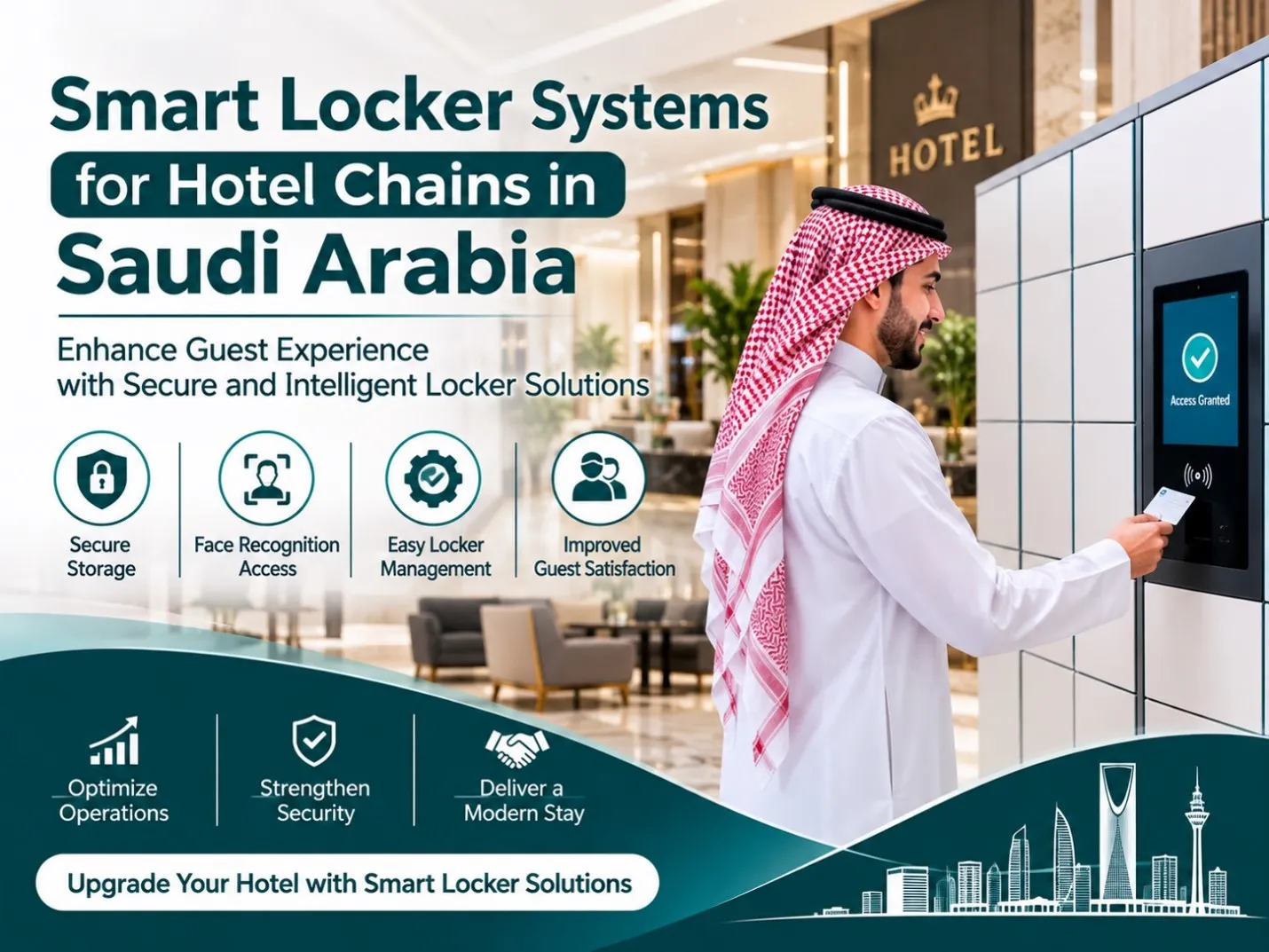
Flexible authentication is one of the strongest advantages of connected lockers. A shopper can scan a QR code received through the mobile app, SMS, or email, or type a onetime passcode, known as an OTP, on the kiosk keypad. Staff and tenants can tap an existing RFID card or employee badge, and anyone can use touchless facial recognition with liveness detection that blocks photo and video spoofing. Because one platform supports all four methods, the same banks of lockers serve parcel collection, shopper storage, and staff use.
Key Mall Use Cases for Connected Lockers
Click and Collect Parcel Stations
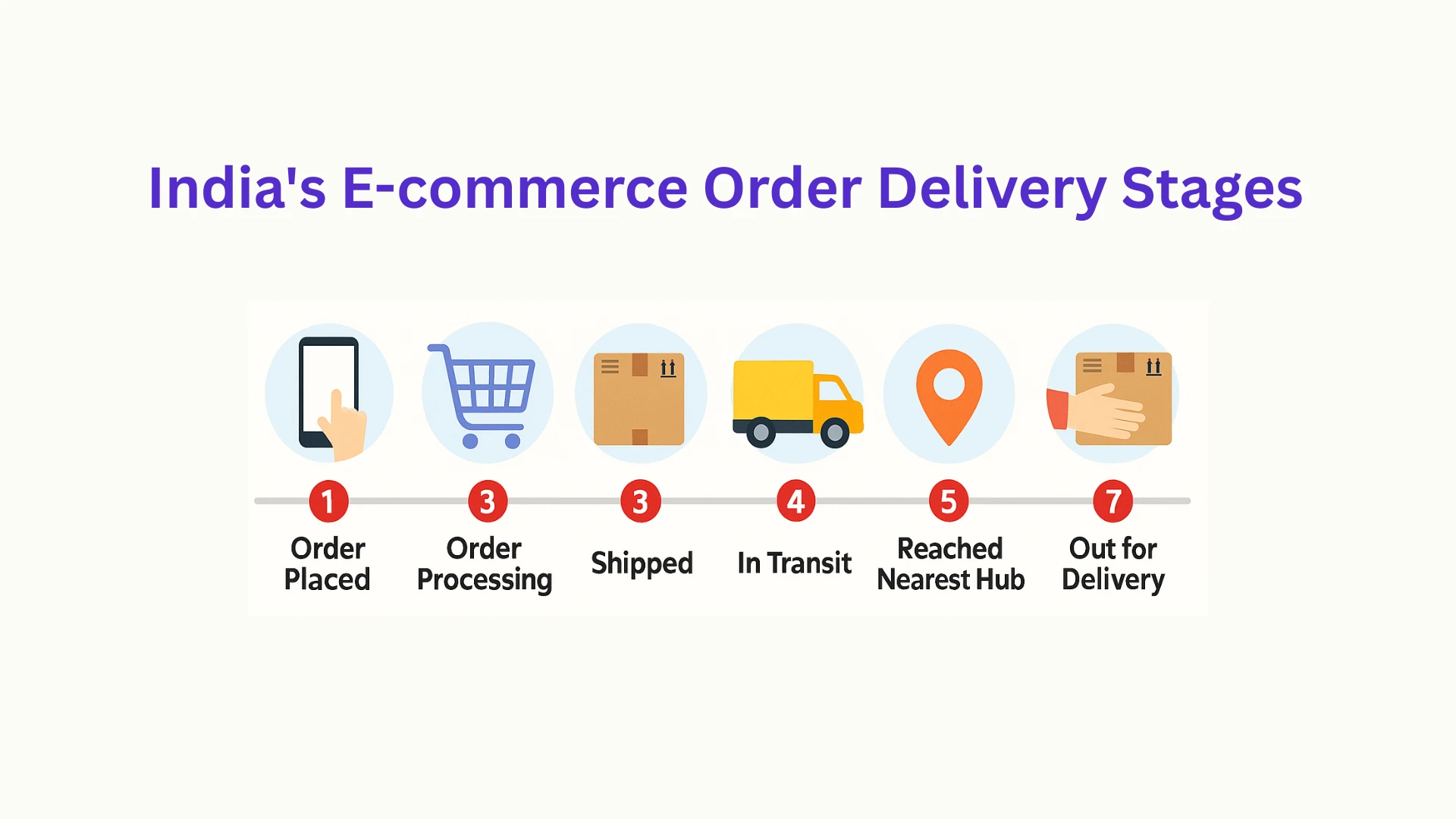
A Smart Locker for Malls gives retailers and logistics partners a self-service pickup point inside a location that people already visit. A courier or tenant stores the order in a compartment, the platform locks the door and records the item, and the recipient receives an instant notification with a QR code or OTP. Collection then takes seconds, with no waiting at a counter. Retailers benefit from higher footfall and fewer failed deliveries, and the mall benefits from extra visits that often turn into additional spending.
Shopper Storage and Pay As You Use Convenience
Short stay compartments let visitors leave shopping bags, coats, helmets, or sports equipment while they enjoy the food court, cinema, or family entertainment zone. A pay as you use model charges by the hour and can be settled by card or digital wallet. Payment options familiar to Bahraini shoppers, such as cards and Benefit Pay, should be confirmed during the design stage. Hands free storage encourages longer visits and gives tourists a secure place for luggage between check out and departure.
Tenant and Operations Assets
Behind the scenes, malls handle keys, radios, uniforms, tools, and IT equipment every day. Asset and key management lockers issue these items only to authorised staff and keep a full chain of custody log. Temperature aware compartments can also support food delivery rider handovers and pharmacy collections, which keeps hot and cold items separate from general parcels.
Meet the Tektronix Technologies Platform
Tek Locker is the enterprise platform developed in house by Tektronix Technologies for contactless parcel delivery, personal storage, and asset handover. The company describes a turnkey approach in which one team delivers hardware, software, installation, and support, which keeps accountability clear for the mall operator. Deployments are supported across the Gulf region and India, with Arabic and English interfaces and local engineering support, a valuable combination for Bahrain, where visitors speak many languages.
Software That Operators Actually Use
The Locker Management Software behind the kiosks is cloud based and accessed through a browser, with role based permissions for administrators, tenants, and security teams. A live dashboard shows how many compartments are vacant, in use, overdue, or reserved, together with utilisation analytics, size breakdowns, and a real time activity log. Overdue alerts help staff recover unclaimed parcels, while multi site management lets a mall group control several locations from one screen. Usage analytics and peak time heatmaps then provide the evidence needed to prove return on investment.
A Mobile App for Shoppers and Staff
Companion iOS and Android apps send push notifications, pickup codes, package timelines, and delivery history to the recipient before they even reach the kiosk. This reduces confusion at the locker bank, shortens the time each person spends at the screen, and keeps queues moving even during the busiest weekend afternoons.
Hardware, Safety, and Reliability
Because an Electronic Locker System uses electromagnetic locks with far fewer moving parts than mechanical designs, it generally reduces jammed door callouts and repair costs. Mall conditions still call for careful specification. Compartment sizes should cover small parcels, shopping bags, and large boxes. Kiosk screens must be readable under bright atrium lighting, and the height of the interface should suit wheelchair users and children. Surfaces should be easy to wipe clean, which supports hygiene in a high traffic environment.
Safety and resilience deserve equal weight. Layouts should be reviewed against Bahrain Civil Defence requirements so that locker banks never obstruct escape routes. Power backup and network failover keep doors operational during outages, and tamper alerts notify security teams if someone attempts to force a unit. Software and data handling should follow recognised information security practice, such as the ISO/IEC 27001 framework, including encrypted communication and regular updates.
Privacy and Compliance for Face Authentication
Facial templates are personal data, so any deployment in Bahrain should respect the Personal Data Protection Law, Law No. 30 of 2018. Operators should post clear notices, collect consent where require, store encrypted templates rather than raw images, limit who can view records, and define retention periods. Equally important, facial recognition should never be the only route. QR codes, OTP, and RFID cards give visitors a simple alternative, which builds public trust and keeps the service accessible to everyone.
Integration with Mall Operations
The strongest results appear when lockers connect to the wider mall ecosystem. An open interface allows integration with enterprise resource planning, building management, human resources, and access control platforms, so the locker network sits alongside existing infrastructure rather than replacing it. Mall applications and loyalty programmes can trigger pickup codes, tenants can see parcel activity for their own stores, and security teams can pair locker events with CCTV footage when an incident needs review. This joined up approach turns a storage amenity into a data rich service layer.
Commercial Models and Business Case
Financial flexibility makes adoption easier. Deployment can be on premises, fully managed by the vendor, or hybrid with customer hardware and cloud software. Commercially, a mall may choose a onetime capital purchase, a monthly or annual subscription per locker bank, or a revenue share arrangement that suits retail and e commerce click and collect units. Savings and income come from reduced desk staffing, fewer lost key replacements, paid short stay storage, tenant service fees, and extra footfall, while the audit trail lowers the effort of resolving disputes.
Planning and Deployment Roadmap
Site Assessment and Placement
Start with footfall maps and tenant interviews to identify where parcel pickup and storage demand is highest. Entrances, car park links, food courts, and cinema lobbies are common choices. Confirm power, data connectivity, lighting, and camera coverage, and agree the mix of compartment sizes. Explore the Tektronix Technologies locker portfolio early so that categories such as parcel, storage, and asset lockers can be matched to each zone.
Pilot, Rollout, and Training
A pilot at one or two locations allows the team to measure usage, collect feedback, and refine notifications before wider rollout. Tektronix indicates that typical deployment reaches go live in roughly four to eight weeks from site assessment, covering hardware, software configuration, installation, and staff training. Security, customer service, and tenant teams should all be trained, and a support agreement with clear response times protects service levels. Operators ready to begin can book a consultation with Tektronix for a tailored recommendation.
Conclusion
Malls that invest in connected storage and parcel handling improve convenience, security, and operational visibility at the same time. A well planned Smart Locker System Bahrain deployment combines multiple authentication options, cloud reporting, and dependable hardware. Operators evaluating a Smart Locker System Manama project should prioritise privacy compliance, integration readiness, and local support. Phased pilots and clear commercial models reduce risk and prove value quickly.
Tektronix Technologies is ready to help your mall design a secure, contactless, and future ready locker experience.



























Sign in to leave a comment.