Snap 8 Peptide: What It Is, How It Works, and Its Potential Benefits

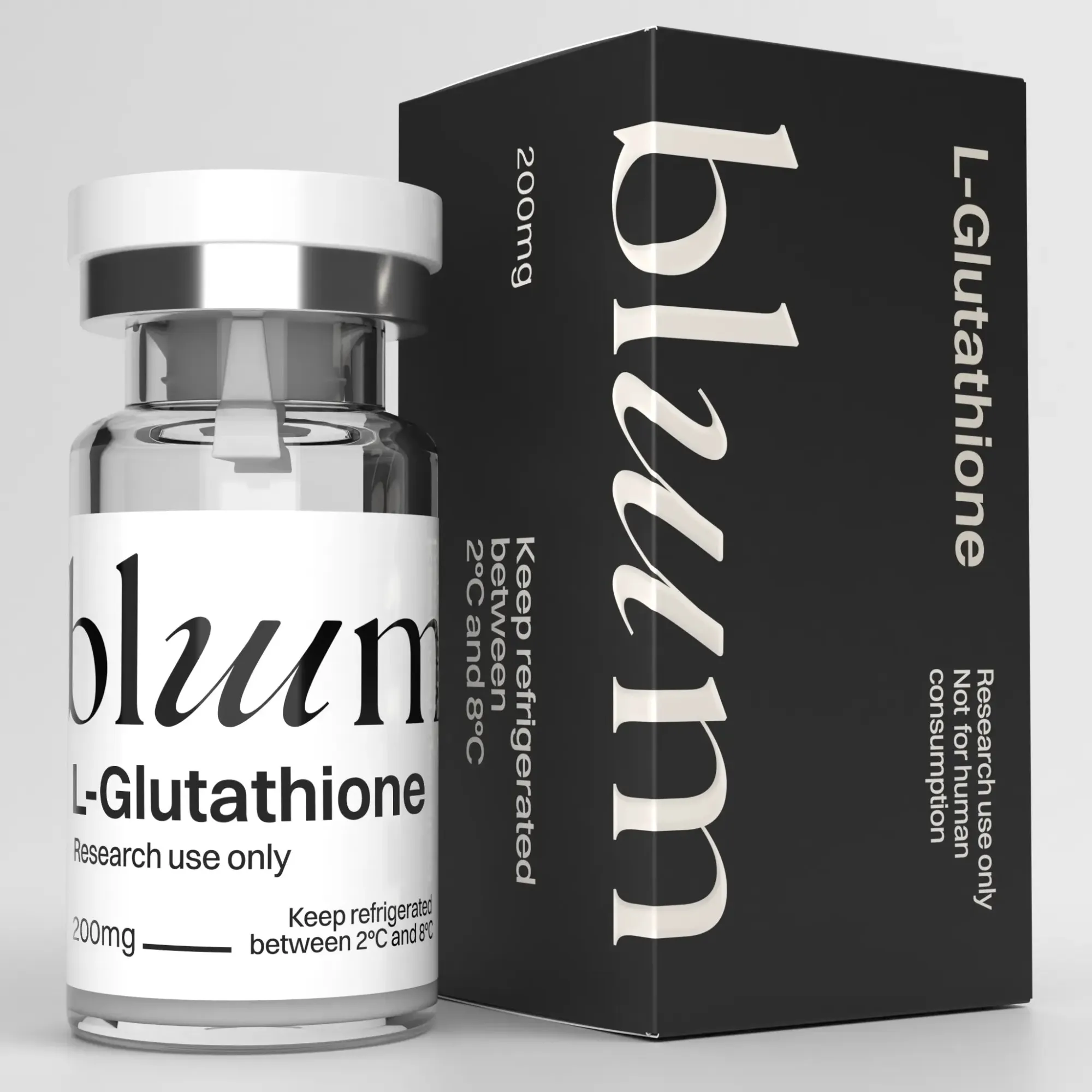
Peptides have become increasingly common in skincare research as scientists explore ingredients that may support the appearance and condition of the skin. One ingredient attracting attention is the snap 8 peptide, a synthetic peptide used in cosmetic formulations marketed for the appearance of fine lines and expression wrinkles. It is also known as Acetyl Octapeptide-3 and is often discussed as a topical skincare ingredient rather than a medical treatment. Although its proposed mechanism has attracted interest, the strength of the evidence varies, and many claims rely on preliminary or manufacturer-supported research. Understanding how it is intended to work, what potential benefits are discussed, and what remains uncertain can help consumers make informed skincare decisions.
What Is the Snap 8 Peptide?
The snap 8 peptide is a synthetic chain of eight amino acids commonly identified in cosmetic ingredient listings as Acetyl Octapeptide-3. It was developed for topical skincare products, including serums and creams designed to improve the appearance of expression lines. The ingredient is often compared with Argireline, a related cosmetic peptide, because both are discussed in connection with the SNARE complex involved in neurotransmitter release. However, these are distinct compounds with different structures, and evidence concerning one should not automatically be applied to the other. The formulation containing the ingredient also matters when evaluating its potential performance.
Unlike peptides developed as prescription medicines, snap 8 peptide is primarily marketed as a cosmetic ingredient. Its intended role is generally related to the appearance of facial lines rather than treating an underlying medical condition. Cosmetic formulations may combine it with moisturizers, humectants, or other skincare ingredients, making it difficult to attribute any observed change to the peptide alone. The finished product's concentration, stability, and ability to deliver the ingredient through the skin can influence its performance. For this reason, understanding the ingredient is only one part of evaluating a skincare product that contains it.
How Does Snap 8 Peptide Work?
The proposed mechanism of snap 8 peptide relates to the SNARE complex, a group of proteins involved in the release of neurotransmitters from nerve cells. The peptide is designed to mimic a portion of SNAP-25, a protein that participates in this process. Laboratory-based explanations suggest that this mimicry may interfere with the assembly of the complex under certain conditions. Because facial expressions contribute to the formation of dynamic wrinkles, researchers and cosmetic developers have explored whether influencing this pathway could help reduce the visible appearance of expression lines. However, the proposed mechanism should not be confused with a demonstrated clinical effect.
An important unanswered question is whether a topical formulation can deliver enough of the peptide through the skin to reach the relevant biological structures. The skin acts as a protective barrier, and larger molecules such as peptides may have limited penetration depending on their properties and the formulation used. Evidence that a compound can interact with a target under laboratory conditions does not establish that a cream or serum produces the same interaction in living human skin. This limitation is central to evaluating snap 8 peptide claims. More independent research is needed to determine how much of its proposed mechanism translates into a measurable cosmetic outcome.
Potential Benefits for Skin Appearance
The main potential benefit associated with snap 8 peptide is the appearance of softer expression lines, particularly around areas such as the forehead and outer corners of the eyes. These lines can become more noticeable through repeated facial movements, natural aging, and changes in skin hydration and elasticity. Cosmetic developers have investigated peptide-containing formulations as one possible approach to improving the appearance of these features. However, the available evidence for snap 8 peptide itself remains limited, and there is insufficient independent clinical evidence to establish how much improvement users can reliably expect. Claims of dramatic or guaranteed wrinkle reduction should therefore be treated cautiously.
Some skincare products combine snap 8 peptide with moisturizing ingredients that temporarily improve the look and feel of the skin. Hydrated skin may appear smoother because surface dryness and fine dehydration lines become less noticeable. If a product produces this effect, it does not necessarily demonstrate that the peptide has altered nerve-to-muscle signaling or changed the underlying structure of the skin. Multi-ingredient formulations also make it difficult to identify which ingredient contributed to the observed outcome. Consumers should distinguish the general benefits of a well-formulated moisturizer from claims specifically attributed to snap 8 peptide.
What Does the Scientific Evidence Show?
The scientific evidence for snap 8 peptide is less established than promotional descriptions sometimes suggest. The proposed mechanism is discussed in cosmetic research, but independent studies examining the ingredient by itself remain limited. Some human studies have evaluated multi-ingredient products containing Acetyl Octapeptide-3, including formulations that also contain other active skincare ingredients. When several ingredients are used together, researchers cannot confidently attribute the entire observed effect to one peptide without an appropriate study design. Manufacturer-supported findings may provide preliminary information, but independent replication and well-controlled trials are important for confirming efficacy.
It is also important to distinguish snap 8 peptide from related cosmetic peptides that have a different research history. Findings from studies of Argireline, for example, cannot be used as direct proof that snap 8 peptide produces the same effects. Differences in molecular structure, concentration, formulation, and skin penetration can influence outcomes. The most useful evidence would come from well-designed clinical studies evaluating a clearly characterized snap 8 formulation against an appropriate comparison product. Until stronger research is available, the ingredient should be viewed as a cosmetic option with potential rather than a scientifically established solution for wrinkles.
Verified Peptides and Cosmetic Product Quality
The term verified peptides is sometimes used in discussions of ingredient identity and laboratory quality. In cosmetic skincare, reliable ingredient documentation can help establish whether a product contains the substance described on its label. A certificate of analysis may provide information about identity, purity, and other characteristics of a tested sample, depending on the methods used. However, laboratory verification is meaningful only when the scope of testing is clear and the results relate to the actual ingredient or finished formulation being assessed. A supplier's general quality statement is not equivalent to independent analytical evidence.
High-performance liquid chromatography and mass spectrometry are examples of methods that can help characterize peptide materials. These techniques can contribute information about sample composition and molecular identity, but they do not establish whether a skincare product will reduce wrinkles. Product stability, formulation compatibility, skin tolerance, and delivery through the skin are separate considerations. A high purity result does not automatically establish clinical effectiveness or guarantee that a finished product will suit every skin type. Consumers should therefore evaluate quality documentation alongside the formulation's ingredient list, intended use, and the strength of the evidence supporting its claims.
Safety Considerations and Responsible Skincare Use
Snap 8 peptide is generally discussed as a topical cosmetic ingredient, and its safety should be evaluated in the context of the specific product containing it. Individual reactions may depend on the complete formulation, including fragrances, preservatives, solvents, and other active ingredients. Irritation or sensitivity can occur with skincare products even when a particular ingredient is well tolerated by many users. The independent safety data available for snap 8 peptide itself are limited, so broad claims that it is completely risk-free are not justified. A cosmetic ingredient's history of use does not establish safety for every concentration, formulation, or route of administration.
Consumers should follow the directions provided for the finished cosmetic product and avoid assuming that a raw peptide material is interchangeable with a formulated serum. Products intended for topical skincare should not be injected or used through other routes that have not been evaluated. If irritation, swelling, persistent redness, or another concerning reaction develops, discontinue use and seek appropriate professional advice. People with ongoing skin conditions or significant sensitivity may benefit from discussing new active skincare products with a dermatologist. These precautions support informed use without assuming that every peptide-containing product produces the same results.
How to Evaluate a Snap 8 Skincare Product
When comparing skincare products that contain snap 8 peptide, begin by reviewing the complete ingredient list and the product's intended use. Look for clear labeling, realistic descriptions of expected cosmetic effects, and information about the manufacturer. Be cautious of products that promise results equivalent to injectable procedures or claim to eliminate wrinkles completely. Such statements go beyond what limited ingredient-specific evidence can establish. A well-presented product and positive customer reviews may be useful for understanding consumer experiences, but neither provides the same level of evidence as an independently conducted, well-designed clinical study.
It is also useful to consider the overall skincare formula rather than focusing on one ingredient alone. Moisturizers, sunscreen, and other evidence-supported skincare ingredients may play important roles in maintaining skin hydration and protecting against environmental damage. The value of a snap 8 peptide product depends on its formulation, tolerability, price, and the realistic benefits it may offer. No cosmetic ingredient works identically for everyone, and individual results can vary. An evidence-based approach emphasizes consistent skincare habits and reasonable expectations instead of relying on a single ingredient to deliver dramatic changes.
Final Thoughts on Snap 8 Peptide
Snap 8 peptide, also known as Acetyl Octapeptide-3, is a cosmetic ingredient developed for formulations marketed toward the appearance of expression lines. Its proposed mechanism involves the SNARE complex, but the extent to which topical application produces a meaningful effect in human skin remains uncertain. Some multi-ingredient products containing the peptide have been studied, yet the available evidence does not establish a reliable level of wrinkle reduction attributable to snap 8 peptide alone. Further independent research would help clarify its effectiveness, skin penetration, and longer-term safety.
For consumers, the most responsible approach is to evaluate the finished product, understand the limitations of the available evidence, and avoid exaggerated promises. Verified peptides documentation may help establish certain ingredient characteristics, but it cannot prove that a cosmetic formula will deliver a particular result. A carefully formulated skincare product may be worth considering for its intended cosmetic purpose, provided expectations remain realistic and the product is used as directed. Ultimately, transparent information, sound evidence, and consistent skincare practices are more useful than marketing claims that present preliminary research as a guaranteed outcome.


Sign in to leave a comment.