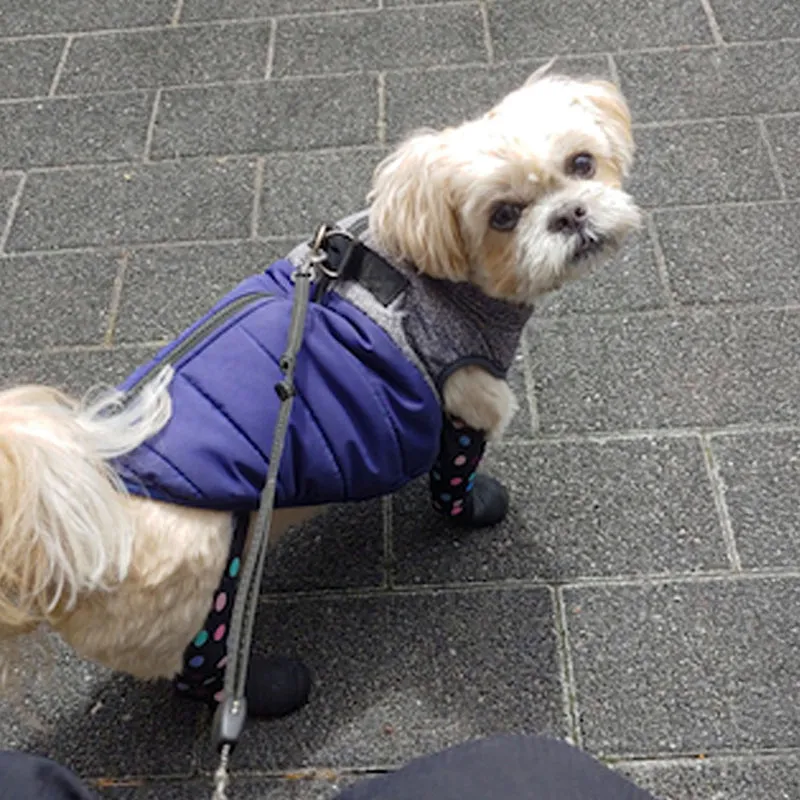

Snow can look like a giant playground for your dog, but winter walks can hide dangers under those fluffy white flakes. Dog shoes for cold weather are not needed for every dog or every walk. However, they can help protect paws from deep snow, sharp ice, and road salt.
Cold surfaces can make paws sore, while salt may cause irritation. The need for boots depends on the weather, walking surface, and how your dog feels outdoors. Knowing these simple signs can help you make a safe choice for your furry friend.
Why Can Winter Conditions Hurt Dog Paws?
Dog paws are tough, but they are not protected from every winter problem. Snow can get stuck between the toes. As it melts and freezes again, it can become painful.
Ice can also have sharp edges. These edges may scratch or cut the soft skin on your dog's paw pads.
Road salt is another problem. It helps melt ice on roads and sidewalks, but it can dry out or irritate your dog's paws. Dogs may also lick salt from their feet after a walk.
This does not mean every dog needs boots. It simply means you should check the outdoor conditions before going for a walk.
When Can Winter Boots Be Helpful?
Some winter situations can be harder on your dog's paws than others. Think about where your dog will walk and how long they will stay outside.
- Deep snow: Snow can collect between the toes and make walking difficult.
- Icy paths: Sharp pieces of ice can hurt or scratch paw pads.
- Salt-covered sidewalks: Salt can cause dryness and irritation.
- Long walks: Spending a long time outside means more contact with cold and rough surfaces.
Winter adventures: Hiking and playing on frozen ground can expose paws to more hazards.
For short walks on safe and dry paths, your dog may not need footwear.
What Should You Look for in Winter Dog Boots?
Good winter boots should do more than keep paws warm. They should also feel comfortable and stay in place.
Choose boots with a secure fit that does not squeeze the toes. A flexible sole lets your dog move naturally. A good grip can also help prevent slipping on ice.
Water-resistant material can help keep paws dry in snow and wet weather.
Large and active breeds may also benefit from boots in certain conditions. Siberian Husky winter boots should be chosen carefully because every dog has different needs. Even a cold-loving breed may need extra paw protection during long walks on icy or salted surfaces.
Do All Dogs Need Boots in Snow?
No. Every dog reacts to cold weather differently. Some dogs enjoy snow for a long time, while others become uncomfortable quickly.
Dogs with sensitive paws, injuries, or little experience with cold weather may need extra protection. Older dogs may also find icy ground harder to walk on.
A breed known for enjoying cold weather should not automatically be expected to handle every winter condition. For example, Siberian Husky winter boots may be useful during certain activities, but they are not required simply because of the breed.
Watch your dog's behavior. Lifting a paw, refusing to walk, licking the feet, or trying to go home can mean your dog is uncomfortable.
How Can You Protect Paws Without Boots?
Boots are not the only way to care for your dog's paws in winter. Simple steps can help too.
After a snowy walk, check between the toes. Remove any snow, ice, or salt that may be stuck there. Wipe the paws with a clean, damp cloth and dry them well.
Keep the hair around the paw pads neat. This can help stop snow from sticking to the feet.
You can also choose walking paths that have less ice and salt. Avoid very long walks during extremely cold weather.
If you see bleeding, swelling, deep cracks, or signs of pain, stop the walk and contact a veterinarian.
How Do You Know If Your Dog Needs Winter Footwear?
There is no single answer for every dog. Before a winter walk, ask yourself three simple questions. What is the ground like? How long will my dog be outside? How does my dog feel in the cold?
For a short walk on a safe path, boots may not be needed. For a long walk through snow, ice, or salty streets, dog shoes for cold weather can provide useful protection.
If your dog has never worn boots before, start slowly. Let your dog sniff them first. Then try them indoors for a few minutes. This helps your dog get used to the new feeling.
Final Words
Winter walks can be fun when you take a few simple safety steps. Dog shoes for cold weather can protect paws during walks through deep snow, sharp ice, or salty streets. However, not every dog needs them. Check the walking surface, watch your dog's behavior, and clean the paws after every outdoor trip.
Make sure any boots fit well and feel comfortable. With good care and attention, you can help your dog enjoy winter walks while keeping their paws clean, healthy, and safe.


























Sign in to leave a comment.