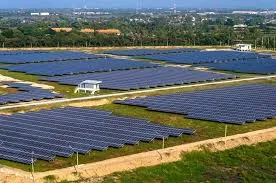

Ask any plant manager what keeps them up at night, and electricity bills land near the top. Power is usually the second or third biggest line item after raw material and labour. Unlike wages, though, it only climbs.
That's where solar starts to make sense.
The numbers do the talking
A mid-sized unit in Gujarat I worked with was paying close to ₹8.5 per unit from the grid. After a 1 MW rooftop install, their solar-generated cost dropped to around ₹2.8 per unit. Payback came in just under five years. Everything after that is basically free power for two more decades.
That gap is the whole story. Grid tariffs climb 3-5% most years. Sunlight never sends a revised invoice.
Why manufacturing fits solar so well
Factories run during the day. Simple as that. Your machines pull the heaviest load exactly when the sun is strongest, so most of what the panels make gets used on-site instead of being sold back cheap. Solar Energy Manufacturing Plants tend to see better returns than, say, a warehouse that mostly wakes up after dark.
Roof space helps too. Industrial sheds have wide, flat rooftops sitting empty. You're turning dead space into a power station.
It's not all sunshine
Let me be honest about the catch. Solar won't cover a night shift without storage, and batteries are still pricey enough to wreck your payback math. Shaded roofs, weak structures, frequent process changes- these matter far more than glossy brochures admit.
One client oversized their plant chasing a bigger "green" headline. Half their generation went back to the grid at ₹1.5 a unit. Not the win they imagined.
Size it to your daytime baseload. That's the quiet rule most people skip.
The wider payoff
Savings get the attention, but the Solar Energy Industrial Benefits run deeper. Predictable energy budgets make planning easier. Export buyers increasingly ask about your carbon footprint before they sign anything, and a visible solar setup answers that without a single slide.
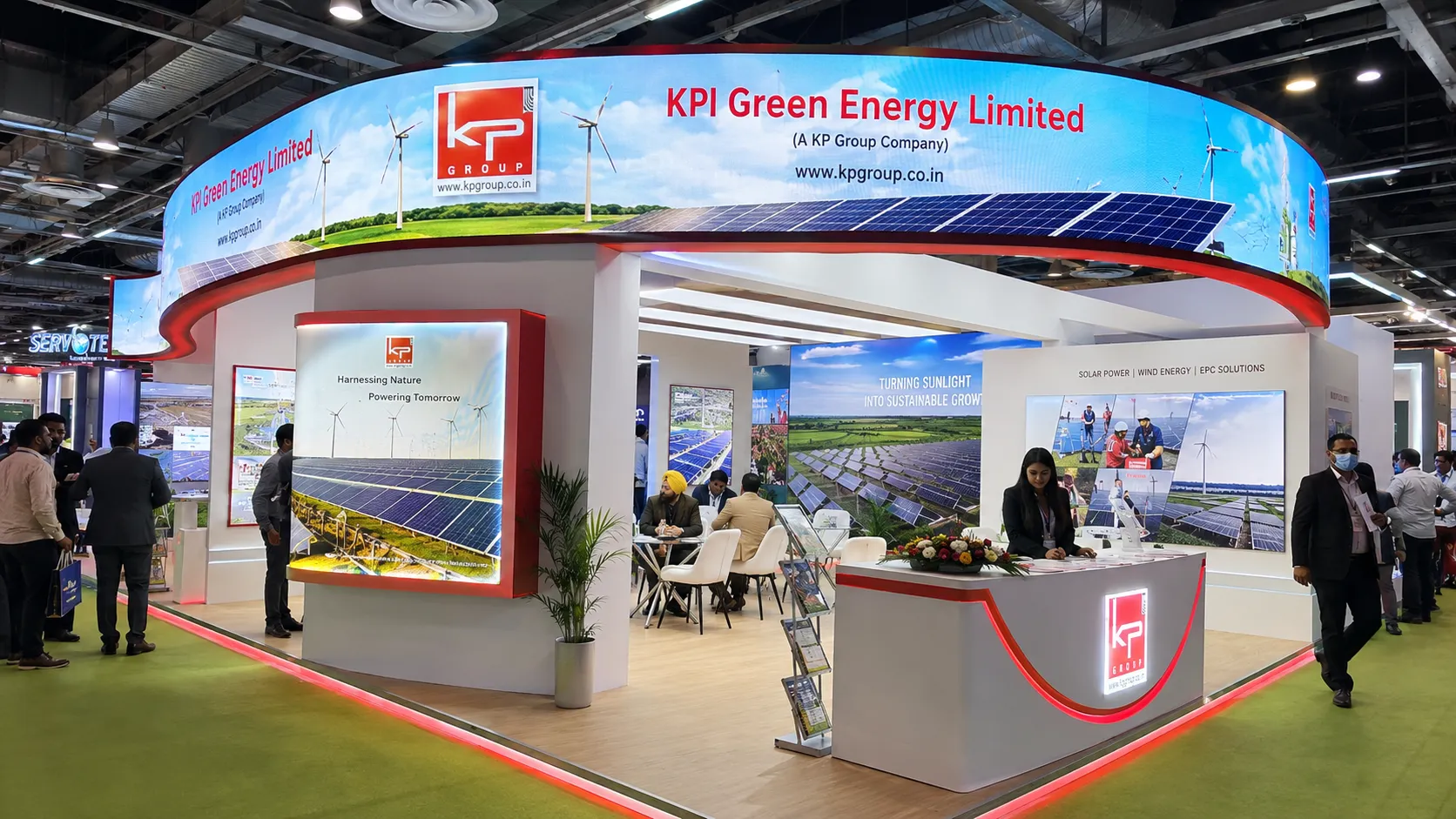
Developers like KPI Green Energy have made the entry easier by building and running plants where you simply pay per unit consumed - no crore-plus cheque upfront. For an owner nervous about capital, that shifts the whole conversation.
So, is it worth it?
For most daytime operations, yes.
Get an energy audit first, though. A good one reads your load pattern, checks your roof, and tells you honestly whether the sun will actually pay your bills. If anyone promises returns without looking at your consumption data- walk away.























Sign in to leave a comment.