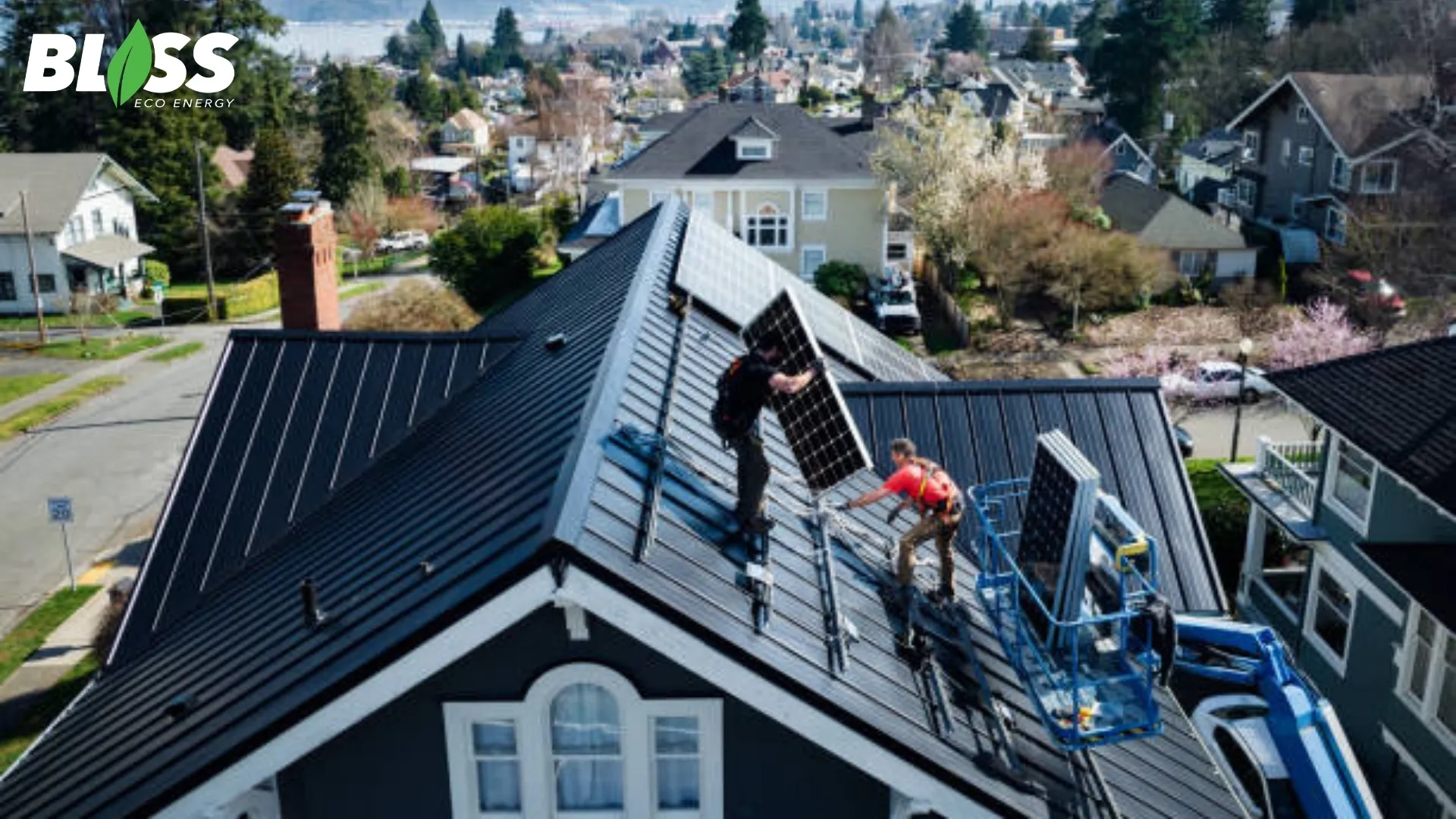


Solar power is becoming an increasingly considered option for UK households looking to generate renewable electricity at home. For Essex homeowners, installing a solar PV system can be part of a wider approach to managing household energy and reducing reliance on grid-supplied electricity.
However, solar panel installation requires careful planning. The right system depends on the property, roof, electricity consumption and how the household intends to use the electricity generated.
This guide covers the key questions homeowners should consider before starting a residential solar project.
What Are the Main Benefits of Home Solar?
Solar PV panels generate electricity from daylight. This electricity can then be used by appliances within the property.
Unlike buying electricity exclusively from the grid, a solar PV system allows a home to generate some electricity on-site.
Potential benefits include:
- Generating renewable electricity
- Using solar power directly in the home
- Making use of otherwise unused roof space
- Combining generation with battery storage
- Taking greater interest in household energy consumption
The actual outcome depends on the property's solar resource, system design and electricity use. Homeowners should therefore avoid assuming that every solar system will deliver the same results.
How Does Solar Panel Installation Work?
The solar panel installation for home process begins with an assessment of the property.
An installer will typically consider the roof, available space, shading and electrical requirements before designing the system.
The process generally involves:
1. Property assessment
The roof and surrounding area are assessed to identify suitable locations for the panels.
2. System design
The installer determines the proposed panel layout and considers the inverter and other components required.
3. Technical checks
Relevant electrical, planning and grid connection considerations are reviewed.
4. Installation
Mounting equipment, solar panels, wiring and the inverter are installed.
5. Testing and commissioning
The completed system is tested and commissioned before being handed over to the homeowner.
The exact process can vary depending on the property and system configuration.
Are Solar Panels Suitable for Every Home?
No. Solar PV can be suitable for many properties, but every home has different characteristics.
Before choosing solar panels for home use, homeowners should consider the following.
Roof orientation
The direction a roof faces influences how sunlight reaches the panels during the day. Different orientations can still be suitable, but generation patterns may vary.
Roof pitch
The angle of the roof also affects panel positioning. An installer should assess the existing pitch as part of the design process.
Shading
Trees, chimneys, buildings and other obstacles can reduce sunlight reaching the panels. Shading should be assessed before the final layout is agreed.
Available space
The usable roof area determines how many panels can potentially be accommodated. Skylights, roof windows and other features may limit the available space.
Roof condition
The roof should be in suitable condition for the proposed installation. If significant repairs are required, these should be discussed before the solar system is installed.
How Important Is Your Household Electricity Consumption?
Household energy use is an important part of solar system planning.
Solar panels generate electricity during daylight hours, while household demand can occur throughout the day and evening. As a result, the amount of electricity a home uses is only one consideration. The timing of that use also matters.
For example, a home with significant daytime electricity consumption may use more generated solar electricity directly. A household with higher evening demand may have different requirements.
Before arranging installation, review your electricity bills and consider:
- Total household consumption
- Daytime electricity use
- Evening demand
- Major appliances
- Future changes to electricity use
This information can help an installer develop a more appropriate system design.
Could Battery Storage Be Useful?
Battery storage can work alongside solar PV to help manage electricity generated by the panels.
When solar generation exceeds immediate household demand, a compatible battery can store some of the surplus electricity. The stored electricity can then potentially be used later.
For example:
Solar generation → Home electricity use → Surplus generation → Battery storage → Later household use
This can be particularly relevant where electricity demand is higher in the evening.
However, battery storage is not automatically required for every home. Its suitability depends on the solar system, household consumption, battery capacity and the homeowner's objectives.
A professional assessment can help determine whether adding storage is appropriate.
What Role Does the Inverter Play?
The inverter is an essential part of most solar PV systems.
Solar panels generate direct current electricity. Household electrical equipment generally operates using alternating current. The inverter converts the generated electricity into a form suitable for household use.
Depending on the equipment, the inverter can also provide monitoring and system management functions.
This is why homeowners should evaluate the entire system rather than selecting panels independently from the inverter and other components.
Why Does Professional Installation Matter?
Residential solar combines roof-mounted equipment with electrical components. Installation therefore requires appropriate technical knowledge and careful system planning.
Professional residential solar installation should take account of:
- Roof characteristics
- Panel positioning
- Shading
- Electrical requirements
- Inverter selection
- System configuration
- Relevant planning considerations
- Grid connection requirements
The installer should also test and commission the system correctly and provide the homeowner with relevant information about its operation.
How Should You Choose a Solar Panel Company?
Choosing the right solar panel company is an important part of the process.
Homeowners should compare more than the quoted installation cost. Look at the installer's qualifications, certifications, residential experience and approach to system design.
Useful questions include:
- What qualifications and certifications does the installer hold?
- How will the roof be assessed?
- Will shading be considered?
- Why are particular panels and an inverter being recommended?
- Is battery storage suitable?
- What warranties are included?
- What monitoring options are available?
- What aftercare is provided?
- Are there any planning or grid requirements to consider?
A detailed quotation should make it clear what equipment and services are included.
Essex homeowners researching local options can learn more about residential solar panel installation from Bliss Eco Energy as part of their wider comparison.
What Should Essex Homeowners Consider?
Essex properties vary significantly. Homes can have different roof designs, orientations, pitches and surrounding conditions.
For example, mature trees may create shading in some properties, while extensions or dormers can affect available roof space.
Homeowners should also consider future energy requirements. Plans to purchase an electric vehicle, install an EV charger or add other electrical equipment may change how much electricity the household uses.
Discussing these plans during the initial assessment can help ensure that the proposed system reflects both current and future requirements.
Is Solar Worth Considering for Your Home?
There is no universal answer because every property and household is different.
The most useful approach is to assess the roof, understand household electricity consumption and consider how solar generation would fit into the home's daily energy use.
Homeowners should also compare installers based on system design, qualifications, equipment, warranties and aftercare rather than focusing exclusively on price.
Get professional advice to understand whether a solar PV system is appropriate for your property.
Conclusion
Solar PV can provide homeowners with a way to generate renewable electricity directly from their property. However, successful planning depends on more than choosing a set of panels.
Roof orientation, pitch, shading, available space and roof condition all affect the installation. Household electricity consumption and future energy plans are also important when determining how the system should be designed.
Battery storage can provide another option for managing surplus solar generation, while the inverter plays a central role in converting electricity for household use.
For homeowners in Essex, a professional property assessment provides a practical starting point. By understanding the home and comparing appropriately qualified installers, you can make a more informed decision about your residential solar system.
FAQs
1. How long does solar panel installation take?
Installation time varies according to the property, system size, roof layout and equipment involved. Your installer should provide a project-specific timeframe before work begins.
2. Can solar panels be installed on an older home?
Potentially, yes. The age of the property does not by itself determine suitability. The roof condition, structure, available space and other technical factors should be assessed first.
3. Do solar panels still generate electricity during cloudy weather?
Yes. Solar panels can generate electricity from available daylight, although their output varies with weather conditions and the amount of sunlight reaching the panels.
4. Can I add battery storage to my solar system?
Battery storage can be integrated with many solar PV systems, but compatibility and system configuration need to be considered. Discussing storage during the initial design can be useful.
5. What is the most important factor when choosing a solar installer?
There is no single factor. Homeowners should consider relevant qualifications and certifications, installation experience, system design, equipment, warranties and aftercare together.


















Sign in to leave a comment.