

Installing solar panels is an important step towards generating electricity at home. However, once your system is installed, it is worth understanding how to monitor its performance, recognise potential issues and keep the equipment in good condition.
For Essex homeowners considering solar panel installation, maintenance is an important part of planning a residential solar system. The good news is that most domestic solar PV systems require relatively little routine maintenance, although the exact requirements depend on the equipment, installation and site conditions.
This guide explains how to look after solar panels for home, what to monitor and when to contact a professional.
Do Solar Panels Need Regular Maintenance?
Solar panels generally have no moving parts, which means they typically require less routine maintenance than many mechanical systems.
However, the complete solar PV installation includes more than the panels. The inverter, electrical connections, mounting equipment and any battery storage also need to remain in suitable working condition.
Routine care can include:
- Checking system monitoring information
- Looking out for visible damage from ground level
- Keeping vegetation from creating new shading problems
- Reviewing inverter alerts
- Following the manufacturer's maintenance guidance
- Arranging professional inspections or repairs when necessary
Homeowners should avoid climbing onto roofs or opening electrical equipment themselves. A qualified professional can investigate concerns safely.
1. Monitor Your Solar System's Performance
One of the simplest ways to look after a solar installation is to check its monitoring system, if one is available.
Many systems allow homeowners to view electricity generation through an application or online portal. This can help you understand how the system operates under different weather conditions.
Solar generation naturally varies throughout the year. Shorter winter days, cloud cover and changing sunlight levels can all affect output. A lower generation figure on a cloudy day does not automatically indicate a fault.
Instead, look for unexpected changes that persist under comparable conditions.
If your system stops reporting data, displays an error or appears to generate substantially less electricity than expected, contact your installer for advice.
2. Keep an Eye on Shading
The amount of sunlight reaching your panels affects solar generation.
When arranging solar panel installation for home, installers should consider shading from trees, chimneys, nearby buildings and other obstacles.
Conditions can change after installation. Trees may grow, new structures may appear nearby, or vegetation may begin casting shadows across parts of the roof.
Check for obvious changes from a safe location on the ground. If new shading appears to be affecting your system, ask your installer whether an assessment is appropriate.
Do not attempt to remove obstacles or carry out work on the roof without suitable professional support.
3. Do Solar Panels Need Cleaning?
Solar panels are exposed to rain, dust, pollen and other environmental debris. Rain may remove some surface dirt, but it will not necessarily clear every deposit.
Whether cleaning is necessary depends on the installation's location, panel condition and the type of contamination.
Before arranging cleaning, check the manufacturer's guidance and ask your installer whether it is needed.
Avoid using abrasive materials, harsh chemicals or equipment that could damage the panels. Walking on panels or accessing a roof without appropriate safety measures can also create serious risks.
For most homeowners, professional advice is preferable to attempting roof cleaning independently.
4. Check Your Inverter for Warning Signs
The inverter converts the electricity generated by the solar panels into a form suitable for use within the home.
Depending on the model, it may display operating information, warning lights or error messages.
If the inverter reports a fault, follow the manufacturer's instructions and contact your installer if necessary.
Do not open the inverter casing or attempt electrical repairs yourself. Even when a system appears to be switched off, electrical equipment can present hazards.
When choosing a solar panel company, it is worth asking what support is available if the inverter develops a fault after installation.
5. Understand Your Solar Panel Warranties
Solar installations can include different warranties for different components.
For example, the panels, inverter, battery and installation work may each have separate warranty terms.
Keep your installation documents together and make sure you understand:
- Which components are covered
- How long each warranty lasts
- What exclusions apply
- How to report a fault
- Whether product registration is required
- Who provides aftercare
A product warranty and an installation workmanship warranty are not necessarily the same. Reviewing both helps you understand what support may be available if a problem occurs.
6. Look After Battery Storage
If your home has solar and battery storage, the battery requires appropriate installation and operation in line with the manufacturer's guidance.
Many modern batteries include monitoring features that allow homeowners to check their status.
Pay attention to any alerts and avoid obstructing ventilation or accessing equipment that should only be handled by a professional.
Battery maintenance requirements vary by model. Your installer should explain the recommended checks, operating conditions and procedures for reporting a problem.
If you notice unusual heat, swelling, smoke or a burning smell, keep away from the equipment and seek urgent professional assistance. If there is smoke or a fire, evacuate the area and call emergency services.
7. Arrange Professional Checks When Needed
Not every solar installation requires the same inspection schedule. Requirements depend on the system, equipment, installation conditions and manufacturer recommendations.
Professional assistance may be appropriate when:
- The inverter repeatedly reports an error
- Generation changes unexpectedly
- Panels or mounting equipment appear damaged
- Electrical components show signs of deterioration
- The system has suffered storm or impact damage
- You plan to modify or expand the installation
A professional can assess whether a problem requires repair, adjustment or further investigation.
For homeowners planning a new system, discussing aftercare before installation can help establish what support will be available later.
8. Consider Essex Weather and Local Conditions
Solar panels installed in Essex are exposed to changing UK weather conditions throughout the year.
Rain, wind, seasonal changes and periods of strong sunlight can affect the environment around the system. Severe weather may also create a need to check for visible damage afterwards.
Homeowners should not assume that every storm requires an inspection. However, if you notice damage, loose-looking equipment or a persistent system alert following severe weather, contact a professional.
The installer should also consider the property's roof condition and exposure when designing the original system.
9. Choose an Installer That Offers Clear Aftercare
Maintenance starts with understanding who is responsible for supporting the system after installation.
Before selecting an installer, ask about the warranty arrangements, fault reporting process, monitoring support and availability of repair services.
It is also sensible to check the company's relevant qualifications, certifications and experience with residential solar PV systems.
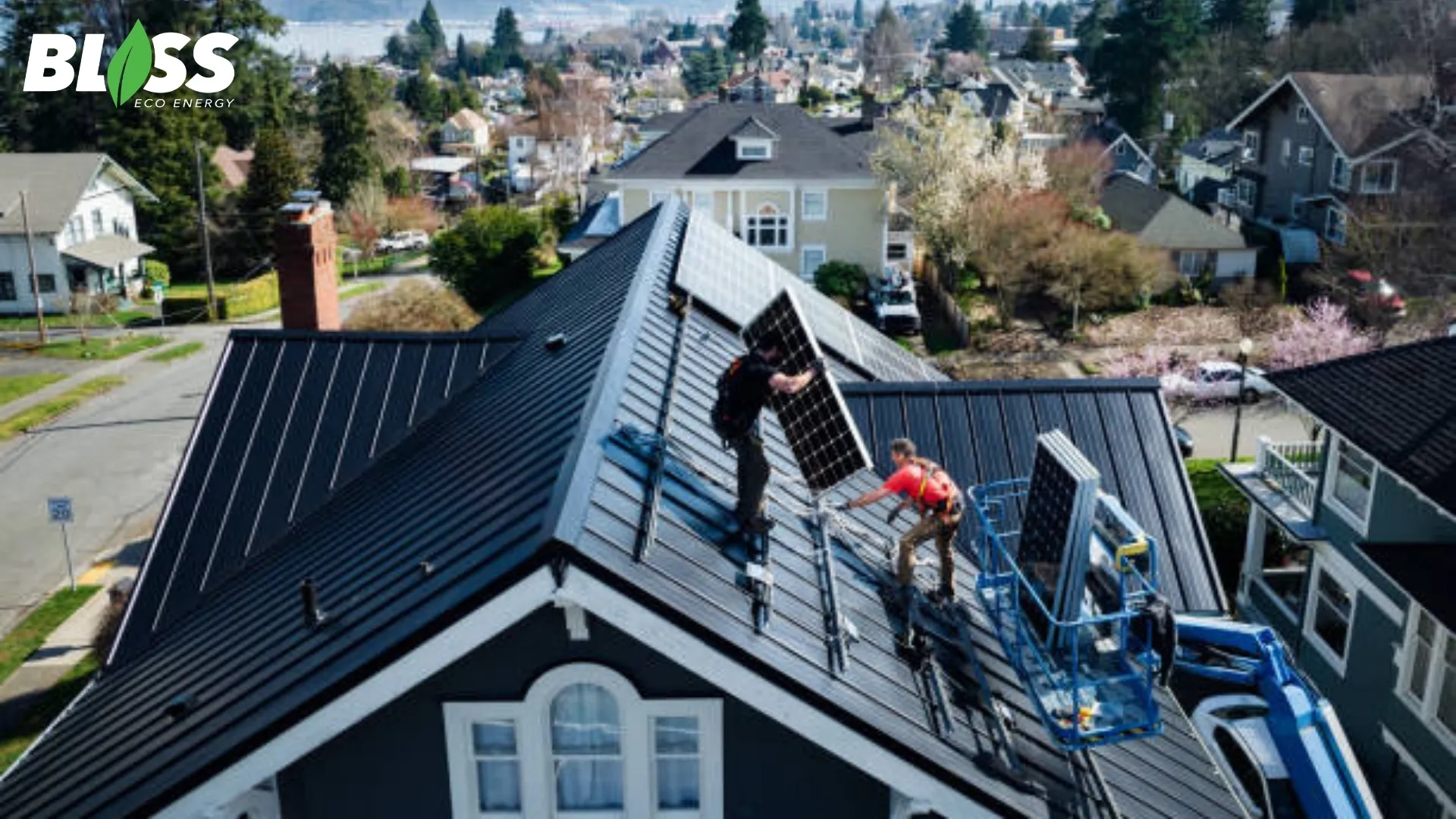
If you are considering a new system, Bliss Eco Energy's solar panel installation service in Essex is one option to review when comparing local installers.
A clear explanation of aftercare can help you understand what to expect once your system is operating.
10. Create a Simple Solar Maintenance Routine
You do not need to carry out complicated technical checks to stay informed about your system.
A straightforward routine can include:
- Reviewing monitoring data periodically
- Checking for system alerts
- Keeping installation and warranty documents accessible
- Looking for obvious damage from ground level
- Following manufacturer guidance
- Contacting a professional when something appears unusual
Avoid assuming that a single day's generation figure proves whether the system is working correctly. Weather, daylight hours and household electricity use can all affect what you observe.
The aim is to identify potential concerns without attempting unsafe repairs.
Conclusion
Most domestic solar PV systems need relatively little routine maintenance, but they should not be completely overlooked.
Monitoring generation, following manufacturer guidance, understanding warranties and responding appropriately to faults can help homeowners manage their systems responsibly.
For Essex households considering solar panel installation, maintenance and aftercare are worth discussing before choosing a system. Understanding these responsibilities can help you plan for the long-term operation of your home solar installation.
Frequently Asked Questions
1. How often should solar panels be cleaned?
There is no universal cleaning schedule. It depends on the panel condition, surrounding environment and manufacturer's recommendations. Ask your installer whether professional cleaning is necessary.
2. Can I clean solar panels myself?
Cleaning may involve working at height and handling electrical equipment. Homeowners should avoid climbing onto roofs or using unsuitable cleaning methods. Professional assistance is safer when cleaning is required.
3. How can I tell if my solar panels are working properly?
Check the monitoring system, if available, and look for persistent error messages or unexpected changes in generation. Weather and seasonal daylight changes also affect output, so investigate unusual patterns rather than isolated low readings.
4. Do solar inverters need maintenance?
Inverters should be monitored and maintained according to the manufacturer's guidance. If the equipment displays recurring errors or stops operating normally, contact a qualified professional rather than attempting repairs yourself.
5. Does battery storage need maintenance?
Battery requirements vary by model. Follow the manufacturer's operating guidance, keep the installation area suitable and contact your installer if the battery displays an error or appears damaged.























Sign in to leave a comment.