
With rising electricity costs and growing interest in clean energy, more Indian homeowners are considering solar power for their daily electricity needs. One of the most common questions is: How much solar power is needed to run household appliances?
The answer depends on several factors, including your home's electricity consumption, the appliances you use, their operating hours, available rooftop space and the type of solar system you install.
A well-planned solar panel for home appliances system can generate electricity for everyday requirements such as lighting, fans, refrigerators, televisions, washing machines and other household equipment.
Let's understand how to estimate your solar requirements and select a system that suits your home.
Can Solar Panels Power Household Appliances?
Yes, solar panels can provide electricity for a wide range of household appliances.
Solar panels generate DC electricity, which is converted into usable AC electricity through a solar inverter. Depending on the system configuration, the electricity can be used directly in the home, exported to the grid or stored in batteries.
Common household appliances that can be powered using solar energy include:
- Fans
- LED lights
- Refrigerators
- Televisions
- Computers and laptops
- Wi-Fi routers
- Washing machines
- Water pumps
- Microwave ovens
- Air conditioners
- Geysers
The amount of solar power required depends on how much electricity these appliances consume and how long they operate each day.
How Much Solar Power Does a Home Need?
There is no fixed solar capacity that works for every household. A home's solar requirement should be based on its actual electricity consumption.
As a general reference:
| Solar System Capacity | Typical Application |
|---|---|
| 1 kW | Basic loads such as lights, fans and small appliances |
| 2 kW | Small homes with moderate electricity usage |
| 3 kW | Homes with several everyday appliances |
| 5 kW | Larger homes with higher electricity consumption |
| 7 kW or more | Large homes with multiple high-power appliances |
These figures are only general guidelines. The ideal capacity should be determined after reviewing your electricity usage and appliance requirements.
How to Calculate Solar Power Requirements
One simple way to estimate electricity consumption is:
Power of Appliance × Hours Used = Energy Consumption
For example, a 100-watt fan running for 8 hours would consume approximately:
100 W × 8 hours = 800 Wh or 0.8 kWh
You can calculate the approximate daily consumption of your major appliances and add them together.
However, solar system sizing involves more than appliance calculations. Solar generation can vary depending on sunlight, weather, panel orientation, system losses and other factors. A professional assessment can provide a more accurate estimate.
How Much Solar Power Do Common Appliances Need?
Different appliances have different power requirements.
For example, lights and fans generally consume less electricity than air conditioners, geysers or electric ovens. Refrigerators also work differently because their compressors cycle on and off rather than operating continuously at full power.
A typical household may have a combination of:
- Low-power appliances: LED lights, fans, routers and televisions
- Medium-power appliances: refrigerators, washing machines and computers
- High-power appliances: air conditioners, geysers, water pumps and electric ovens
When selecting a solar panel for home appliances, it is important to consider both the power rating and daily operating time of each appliance.
Can Solar Panels Run an Air Conditioner?
Yes, solar energy can be used to operate an air conditioner when the solar system is properly designed.
However, AC units consume considerably more electricity than many basic household appliances. The required solar capacity will depend on:
- AC capacity
- Energy efficiency rating
- Number of AC units
- Daily operating hours
- Other appliances running simultaneously
- Solar generation conditions
- Whether battery backup is required
If your home uses one or more ACs regularly, the solar system should be sized to account for this additional demand.
On-Grid or Hybrid Solar: Which Is Better for Home Appliances?
The right solar system depends on your electricity needs and backup requirements.
On-Grid Solar System
An on-grid solar system works together with the electricity grid. During suitable conditions, solar energy can power your home, while surplus generation may be exported to the grid under the applicable local arrangement.
This type of system is often considered by homeowners who primarily want to reduce their electricity bills.
Hybrid Solar System
A hybrid system combines solar generation with battery storage. Depending on the system design, stored energy can be used when solar generation is unavailable.
This can be useful for households that want solar generation along with greater backup capability.
The choice between on-grid and hybrid solar should be based on your electricity consumption, backup needs and local regulations.
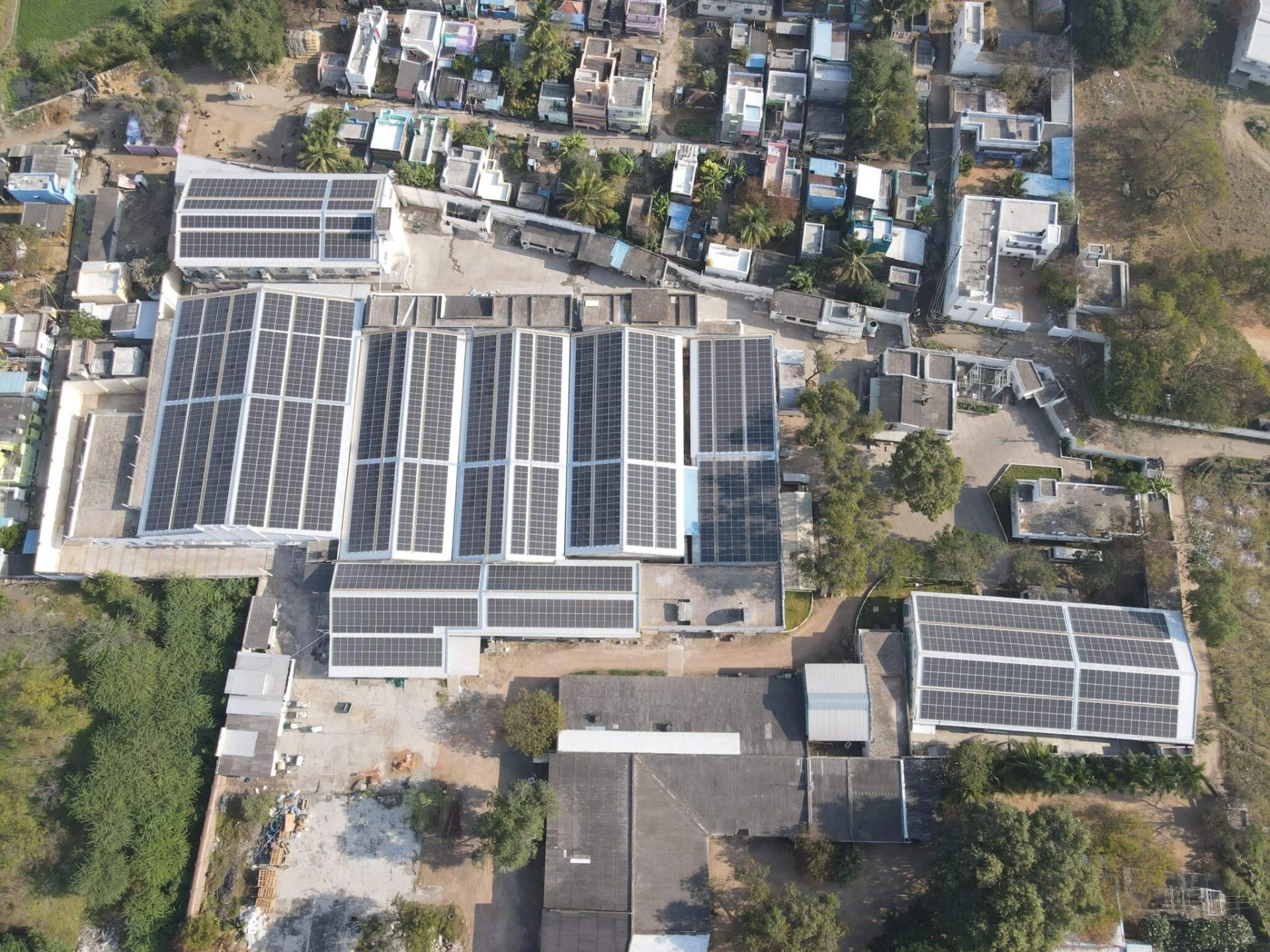
How Many Solar Panels Will Your Home Need?
The number of solar panels depends on the total system capacity and the wattage of the selected modules.
For example, higher-wattage solar modules can achieve a particular system capacity using fewer panels than lower-wattage modules.
Available rooftop space is another important consideration.
Before installation, the following factors should be evaluated:
- Available roof area
- Shadow-free space
- Solar panel wattage
- Roof orientation and tilt
- Structural suitability
- Electrical requirements
- Space for maintenance
This is why the number of panels should be decided after a proper site assessment rather than using a fixed number for every home.
Benefits of Using Solar Power for Home Appliances
Installing solar power for household appliances can offer several advantages.
Reduce Electricity Expenses
Solar generation can reduce the amount of electricity your home needs to purchase from the grid, potentially lowering your electricity bills.
Make Better Use of Your Rooftop
A suitable rooftop can become a source of clean electricity rather than remaining unused space.
Reduce Grid Dependence
Generating part of your electricity requirements at home can reduce your dependence on grid-supplied electricity.
Use Renewable Energy
Solar power provides a renewable source of electricity and can help households move towards cleaner energy.
Long-Term Energy Solution
A properly designed, installed and maintained solar system can continue generating electricity for many years.
What Should You Check Before Installing Solar?
Before investing in a solar panel for home appliances, start by understanding your home's actual electricity requirements.
Check your recent electricity bills and make a list of the appliances you use regularly.
Consider:
- Your average monthly electricity consumption
- Major appliances used in your home
- Approximate daily operating hours
- Available rooftop area
- Current electrical load
- Backup power requirements
- Possible future increases in electricity consumption
This information can help a solar professional recommend a more suitable system capacity.
Why Solar System Design and Installation Matter
Solar panels are only one component of a complete residential solar setup. The inverter, mounting structure, cables, electrical protection equipment and installation quality also influence system performance.
A properly designed system ensures that the solar generation capacity is matched with the home's electricity requirements.
Evolve Energy Group offers solar solutions designed around different residential energy needs. From system selection and planning to installation, professional guidance can help homeowners make better decisions about their solar investment.
Frequently Asked Questions
Can solar panels run household appliances?
Yes. A correctly sized solar system can power many household appliances, including lights, fans, refrigerators, televisions, washing machines and air conditioners.
Is a 3 kW solar system enough for a home?
It can be suitable for a home with moderate electricity consumption, but the actual requirement depends on appliance usage, daily energy consumption and other factors.
Can solar power run an AC and refrigerator together?
Yes, provided the solar system and inverter are appropriately sized to handle the combined load and the expected energy consumption.
Can solar panels generate electricity at night?
No. Solar panels require sunlight to generate electricity. At night, homes typically use grid electricity or stored battery energy, depending on the system configuration.
How can I calculate the solar capacity required for my home?
Review your electricity bills and calculate the approximate energy consumption of your major appliances. A professional solar assessment can then help determine an appropriate system capacity.
Conclusion
Choosing a solar panel for home appliances starts with understanding your household's electricity consumption. The right system can help power everyday appliances while reducing dependence on grid electricity and making better use of your rooftop.
Rather than selecting a solar system based only on the number of appliances in your home, consider their power consumption, operating hours, rooftop conditions and future energy requirements.
With the right system design and professional installation, solar energy can become a practical long-term solution for powering your home.
Looking for a residential solar solution? Connect with Evolve Energy Group to explore a solar system designed around your home's energy requirements.



















Sign in to leave a comment.