

Lighting is rarely the biggest package on an EPC contract, but it can cause some of the most frustrating delays. Trenching, cabling, transformer installation, and utility approvals all sit on the critical path. That is why a solar street light for EPC projects has moved from a "nice to have" to a serious option in highways, industrial parks, townships, and smart city tenders.
However, choosing solar is only the first decision. A vague specification or a poorly vetted supplier can leave you with dim lights, dead batteries, and disputes at handover. This guide walks through how to specify and procure the right system.
Why EPC Firms Are Turning to Solar
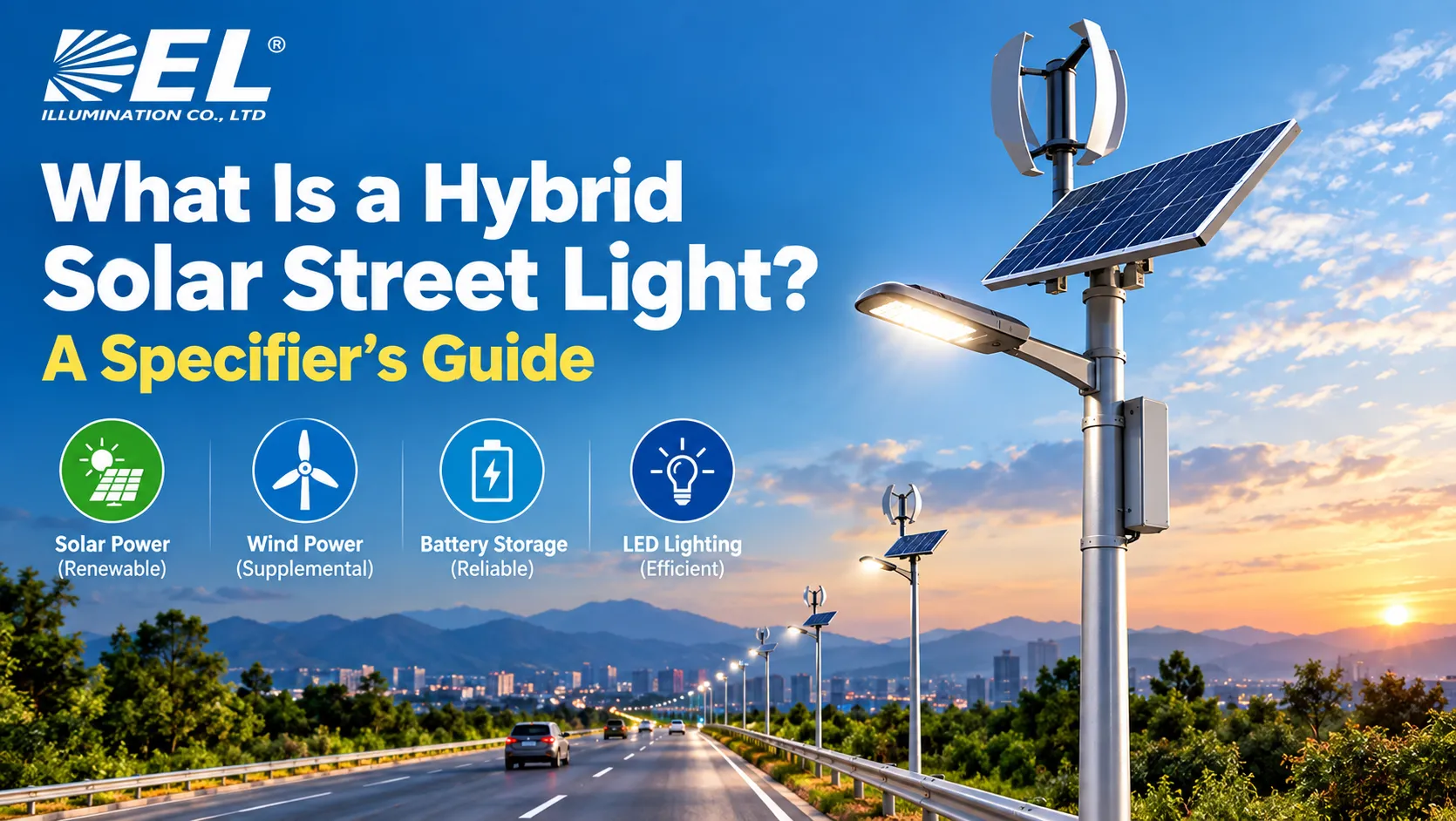
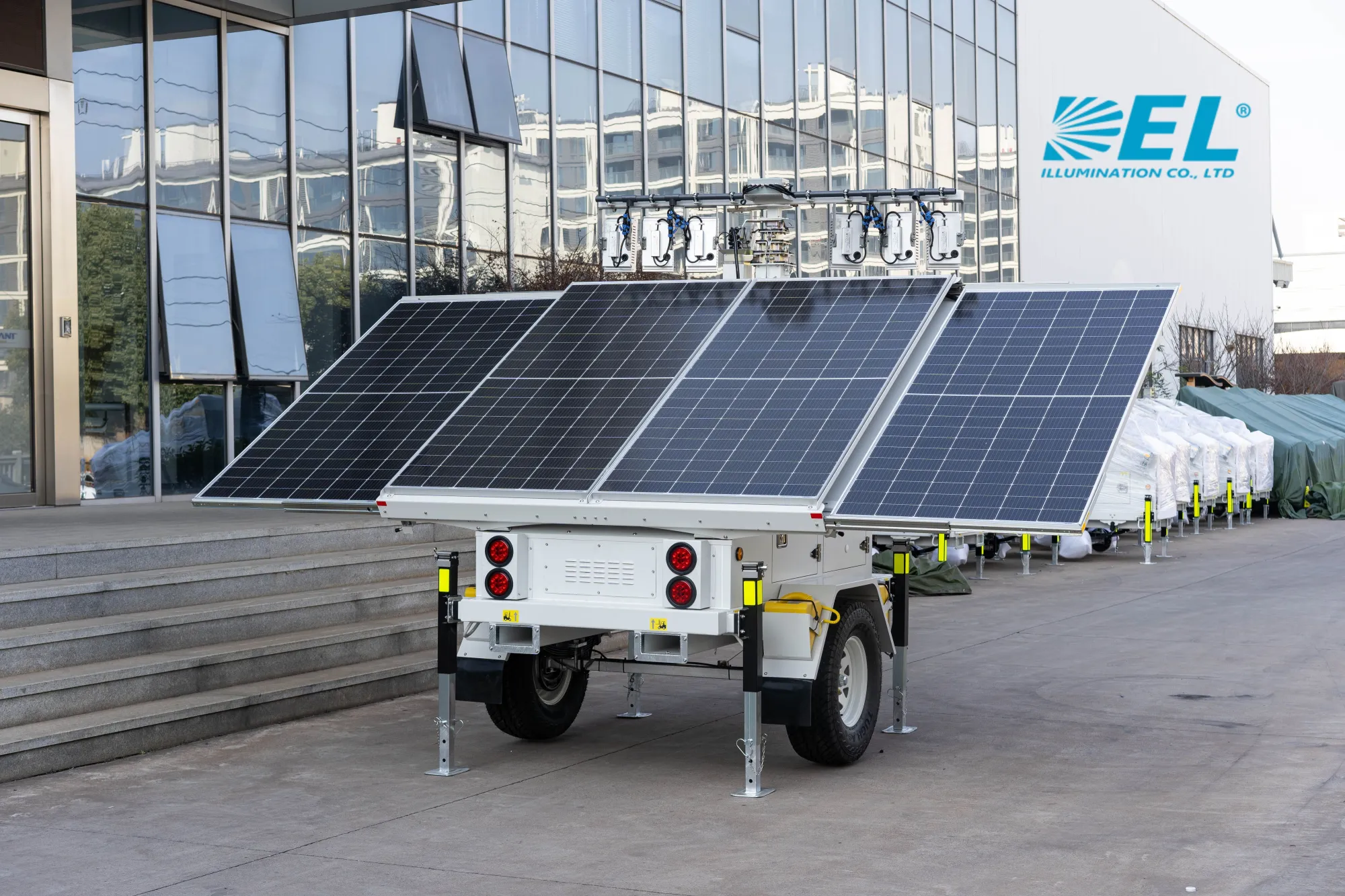
Solar powered street lighting places the entire power source on the pole. The panel, battery, luminaire, and controller work as one unit, so there is no grid dependency. For EPC contractors, this means:
- Smaller civil scope, with no trenching or long cable runs
- Parallel installation across the site instead of sequential work along a cable route
- Faster commissioning, which protects milestones and reduces liquidated damages exposure
- Lower operating costs for the client, since there are no electricity bills
Off-grid street lights are especially useful on expressways, border roads, mining areas, and new developments where the grid has not yet arrived.
Step 1: Define the Lighting Requirement First
Most specification problems start because the site requirement was never clearly defined. Before you approach suppliers, confirm:
- Road or area class (highway, internal road, pathway, parking, perimeter)
- Required lux levels and uniformity as per the tender or applicable standard
- Pole spacing and mounting height, which affect both cost and performance
- Operating hours and whether dimming is acceptable
- Site conditions such as wind speed, coastal corrosion, dust, and shading
Ask the supplier for a lux simulation using IES photometric files. This confirms that the proposed layout meets the requirement before you commit to a purchase order.
Step 2: Write a Clear Technical Specification
A precise specification protects you from substitutions and disputes. When preparing your BOQ for solar LED street lights, define the following items.
Luminaire. State the wattage, luminous efficacy (lm/W), color temperature, and optics or distribution type. Efficacy matters because a more efficient LED needs a smaller panel and battery for the same output.
Solar panel. Specify the type (monocrystalline is common for its efficiency), the wattage, and the tilt or mounting arrangement.
Battery. LiFePO4 is widely preferred for its safety and long cycle life. Specify capacity, cycle life, and autonomy. Two to three days of backup is a typical benchmark for reliable performance in cloudy or monsoon weather.
Controller. Look for MPPT charging, dusk to dawn operation, and overcharge and deep-discharge protection. Smart solar street lights add motion-based dimming and remote monitoring, which extend battery life and simplify maintenance across large sites.
Pole and structure. Define the height, material, wall thickness, galvanization or coating, and wind load rating for your region.
Protection and durability. Require IP65 or higher for the luminaire and battery enclosure, plus an operating temperature range suited to the site.
Warranty and AMC. Set separate warranty terms for the panel, battery, luminaire, and controller, and clarify what the annual maintenance contract covers.
Writing a specification this way for any solar street light for EPC projects also makes bids comparable. Suppliers quote against the same parameters, so you compare like with like rather than guessing why one price is far lower.
Step 3: Evaluate Suppliers, Not Just Prices
In EPC work, a low quote can become expensive if the product fails after handover. Shortlist suppliers who can demonstrate:
- Test reports and certifications such as IEC, CE, BIS, or the relevant local standards
- Project references with similar scale and site conditions
- Manufacturing capability and consistent batch quality
- Design support, including layouts, lux calculations, and system sizing
- Delivery reliability that matches your project schedule
- After-sales service and availability of spare parts
Request samples or a small pilot batch for critical projects. It is far cheaper to find an issue on ten poles than on a thousand.
Dependable solar road lighting depends as much on the supplier's engineering and support as on the hardware itself.
Step 4: Plan Testing, Commissioning, and Handover
Procurement does not end when the poles arrive. Build these checkpoints into your plan:
- Factory inspection or pre-dispatch testing to verify specifications and workmanship
- Incoming inspection on site to check quantities, damage, and labeling
- Installation checks for foundation quality, pole alignment, and panel orientation
- Performance verification by measuring lux levels and confirming autonomy and controller settings
- Documentation handover including as-built drawings, test reports, warranty certificates, and maintenance instructions
A clear handover pack reduces disputes and speeds up final payment.
Common Mistakes to Avoid
- Specifying wattage only. Wattage alone says nothing about actual light output or battery performance.
- Ignoring shading. Trees and nearby structures can cut charging significantly.
- Underestimating autonomy. Systems sized for ideal weather fail during prolonged cloud cover.
- Skipping the lux simulation. Without it, you cannot confirm compliance until after installation.
- Choosing on price alone. Cheap components often mean early battery failure and callbacks.
Final Thoughts
For EPC firms, success means delivering on time, within budget, and with minimal post-handover problems. Solar lighting supports all three by reducing civil work, removing grid delays, and leaving the client with an asset that is inexpensive to run. The key is discipline in the specification and procurement process. When you define the requirement clearly, write a detailed BOQ, and vet suppliers properly, a solar street light for EPC projects becomes one of the most predictable packages on the job.

























Sign in to leave a comment.