

A cutting board might seem like one of the simplest tools in the kitchen, but the material and construction can make a significant difference in how it looks, feels, and performs over time.
While inexpensive plastic boards and mass-produced kitchen accessories are widely available, many home cooks continue to choose solid wood cutting boards for their natural appearance, durability, and traditional craftsmanship.
Among the available options, cutting boards made from a single piece of hardwood offer a particularly distinctive combination of natural beauty and simple construction.
But not all wooden cutting boards are created equal.
Understanding the differences between hardwood species, construction methods, and finishing techniques can help buyers choose a board that suits their kitchen and cooking habits.
What Are Solid Wood Cutting Boards?
Solid wood cutting boards are made from natural hardwood rather than plastic, synthetic composites, or other manufactured materials.
However, there is an important distinction between solid wood and single-piece wood construction.
A conventional solid wood cutting board may consist of several pieces of hardwood glued together to create a larger surface.
A single-piece cutting board, on the other hand, is made from one continuous section of lumber.
Both types can be durable and suitable for food preparation.
Single-piece hardwood boards appeal to buyers who prefer:
- Continuous natural wood grain
- No glued joints between wood strips
- Simple, traditional construction
- Unique color and grain patterns
- A cutting surface that can often be maintained and refinished
For customers who appreciate natural materials and handcrafted kitchen products, single-piece construction can be especially attractive.
Why Hardwood Makes an Excellent Cutting Board Material
Hardwood has been used for cutting surfaces for generations.
Its combination of strength, workability, and natural appearance makes it suitable for many kitchen applications.
Unlike plastic, hardwood has a natural grain structure that gives each board its own character.
Different wood species also provide varying levels of hardness, which influence how the surface responds to repeated knife contact.
A good cutting board should be durable enough for regular use without being unnecessarily hard on kitchen knives.
This balance is one reason woods such as hard maple, walnut, and cherry remain popular cutting board materials.
Durability for Everyday Food Preparation
A properly manufactured hardwood cutting board can withstand years of normal kitchen use.
Chopping vegetables, slicing bread, and preparing ingredients will eventually leave surface marks, but these are expected signs of use.
Many hardwood boards can be carefully sanded and refinished when superficial wear becomes noticeable.
This makes them attractive to people who prefer maintaining useful kitchen tools rather than replacing them frequently.
Natural Appearance
Solid hardwood cutting boards showcase the colors and grain patterns of natural lumber.
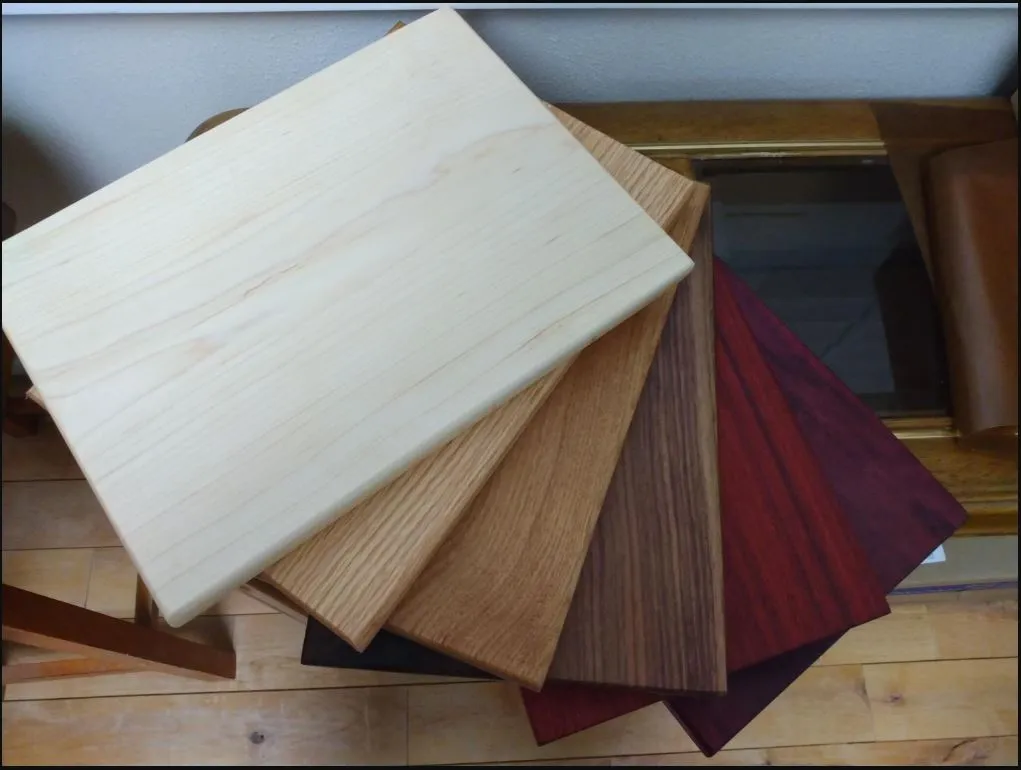
Maple offers a light, understated appearance. Walnut provides darker brown tones, while cherry develops a warm reddish color.
Single-piece boards preserve the continuous grain pattern of the original lumber, creating a distinctive appearance that varies from board to board.
Versatility in the Kitchen
Wooden cutting boards are useful for much more than chopping vegetables.
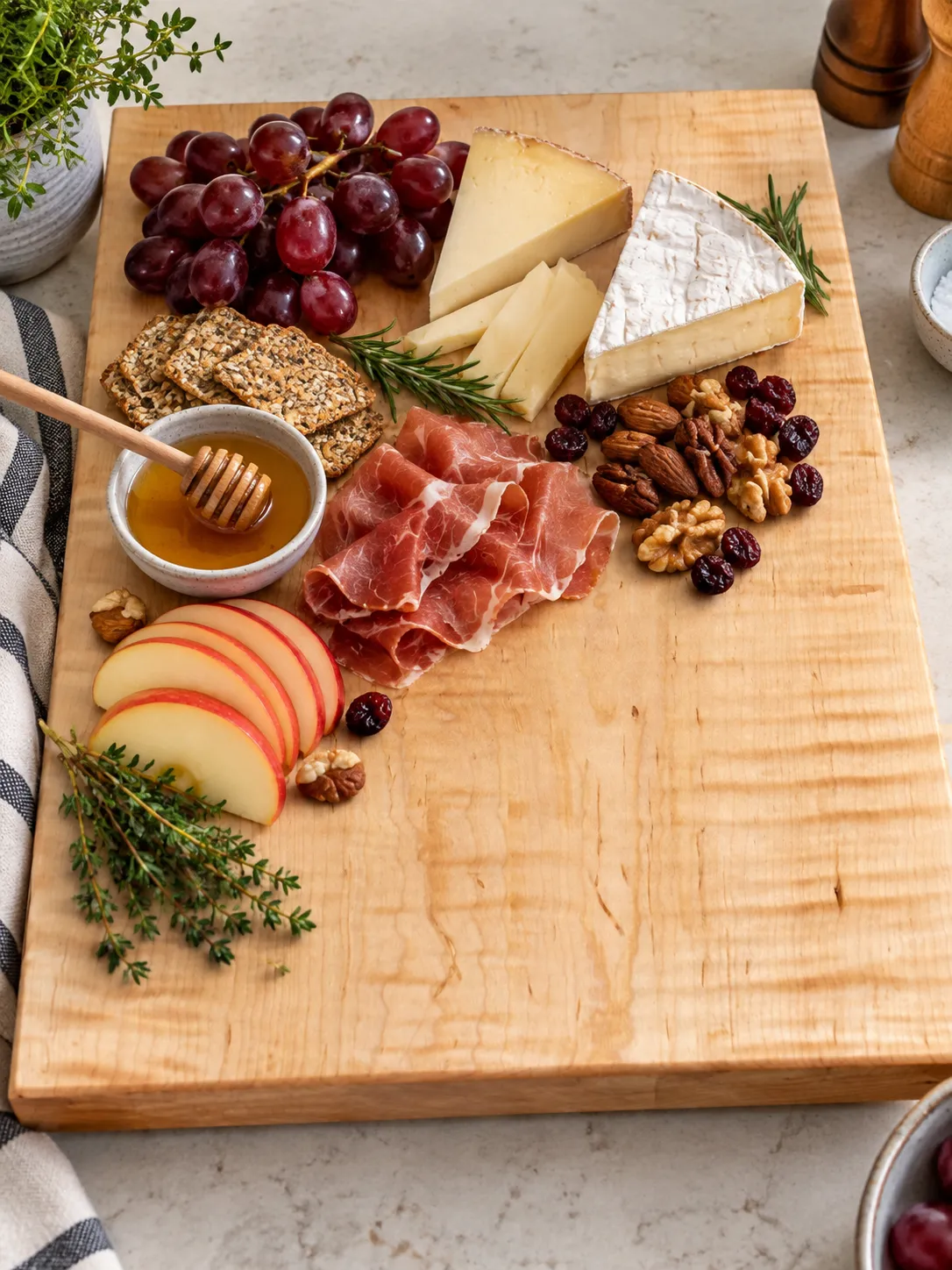
Depending on their size and construction, they can also serve as preparation surfaces for bread, fruit, cheese, and other foods.
Many homeowners appreciate cutting boards that are functional enough for everyday use while attractive enough to display on a kitchen counter.
Single-Piece Wood vs. Glued Cutting Boards
One of the most common questions buyers have is whether a single-piece cutting board is better than a board made from glued hardwood strips.
The answer depends on what the buyer values.
Laminated cutting boards are manufactured by joining multiple pieces of hardwood together with adhesives suitable for the intended application.
This construction allows manufacturers to create larger boards and different grain patterns, including end-grain designs.
Single-piece cutting boards are made from one continuous piece of lumber.
Their primary advantage is the absence of glue joints and the preservation of uninterrupted natural grain.
However, single-piece construction does not automatically make a cutting board stronger, more sanitary, or less likely to warp.
Both types require proper wood selection, drying, construction, and maintenance.
For buyers who prefer a natural, glue-free construction style, a single-piece board is an appealing choice.
The Best Hardwood Species for Cutting Boards
Choosing the right hardwood is one of the most important decisions when purchasing a wooden cutting board.
Different species offer different combinations of hardness, appearance, and cutting performance.
Hard Maple: A Reliable Everyday Choice
Hard maple is widely regarded as one of the best hardwoods for everyday cutting boards.
Its fine grain and relatively high hardness make it suitable for repeated food preparation.
Maple offers a durable surface while remaining practical for use with kitchen knives.
Its light color also works well with modern and traditional kitchen designs.
For buyers who want a versatile cutting board for frequent cooking, hard maple is an excellent option.
Walnut: Natural Beauty and Functionality
Walnut is known for its rich brown color and distinctive grain.
It is softer than hard maple, which can make it feel somewhat more forgiving under a knife, although it may develop visible cutting marks more quickly.
Walnut is particularly popular with customers who want a cutting board that combines functionality with an attractive natural appearance.
A solid walnut board can work well for everyday meal preparation and serving food.
Cherry: Warm Color and Traditional Character
Cherry is another excellent hardwood option.
Its smooth grain and warm appearance make it attractive for cutting boards and kitchen accessories.
Over time, cherry naturally develops deeper reddish-brown tones through exposure to light.
It is somewhat softer than hard maple, making it a good option for buyers who prefer a less rigid cutting surface.
Cherry cutting boards can be used for everyday food preparation, bread slicing, and food presentation.
White Oak: Strong and Distinctive
White oak is a durable hardwood recognized for its prominent grain and strength.
Properly selected white oak can be used in cutting board construction, although its grain characteristics differ from maple, walnut, and cherry.
It offers a distinctive appearance for customers who prefer visible natural grain patterns.
For frequent cutting, buyers should consider how the wood's texture and hardness compare with other hardwood options.
What Should You Look for When Buying a Solid Wood Cutting Board?
Not every wooden cutting board offers the same level of craftsmanship.
Several characteristics can help buyers evaluate quality before making a purchase.
1. Properly Dried Hardwood
Wood naturally absorbs and releases moisture.
If lumber contains excessive moisture when manufactured into a cutting board, it may experience unwanted movement as it adjusts to indoor conditions.
Kiln-dried hardwood helps manufacturers begin with material that has been prepared for woodworking.
However, even properly dried boards can move when exposed to significant changes in moisture or humidity.
2. Smooth Surface Preparation
A quality cutting board should have a smooth, comfortable surface without excessive roughness or machining marks.
Progressive sanding helps prepare the wood for finishing and regular use.
Edges should also be shaped to make the board comfortable to lift and handle.
3. Appropriate Food-Safe Finishing
Wooden cutting boards are commonly conditioned with food-grade mineral oil.
Mineral oil helps limit moisture absorption and enhances the appearance of natural hardwood.
Beeswax-based conditioners can provide an additional moisture-resistant surface treatment.
A properly conditioned board should feel smooth and ready for normal kitchen use.
4. Practical Dimensions
The right cutting board size depends on the intended use.
Small boards are convenient for quick preparation tasks, while larger boards provide additional workspace for chopping and preparing meals.
Buyers should also consider weight, thickness, storage space, and ease of cleaning.
5. Repairability and Maintenance
One advantage of solid hardwood is that minor surface wear can often be addressed through careful maintenance.
A cutting board that can be conditioned and refinished may provide greater long-term usefulness than a product that must be discarded when its surface becomes worn.
Why Handcrafted Solid Wood Cutting Boards Stand Out
Handcrafted cutting boards appeal to buyers who value natural materials and traditional woodworking.
Unlike standardized plastic products, individual hardwood boards can vary in grain, color, and appearance.
Smaller woodworking businesses may also pay close attention to material selection, edge shaping, and finishing details.
One example is Woods & Wax, a Utah-based business specializing in handcrafted solid hardwood cutting boards.
Woods & Wax focuses on single-piece cutting board construction, preserving the natural grain of each hardwood board without joining multiple strips together.
The company's woodworking process includes selecting kiln-dried hardwood, shaping and routing the edges, progressive sanding, and conditioning with food-grade mineral oil and a beeswax-based finish.
Hardwood options include maple, walnut, cherry, and several other wood species.
For customers who appreciate American-made products and simple construction, Woods & Wax offers handcrafted solid wood cutting boards designed for practical kitchen use.
The emphasis is on making natural hardwood cutting boards that are attractive, functional, and accessible to everyday home cooks.
How Long Can a Solid Wood Cutting Board Last?
A well-made hardwood cutting board can remain useful for many years when properly maintained.
However, longevity depends on several factors.
These include:
- The wood species and quality of the lumber
- How frequently the board is used
- Exposure to water and humidity
- Cleaning and drying practices
- Surface conditioning and maintenance
- The presence of cracks, severe warping, or other damage
Normal knife marks are not necessarily a reason to replace a cutting board.
In many cases, superficial wear can be improved through careful sanding and refinishing.
However, boards with deep cracks, severe distortion, or damage that prevents effective cleaning may need to be replaced.
Are Solid Wood Cutting Boards Safe for Everyday Cooking?
Properly maintained wooden cutting boards can provide suitable surfaces for food preparation.
The most important consideration is cleanliness.
Wooden boards should be washed with warm water and dish soap after use and dried thoroughly.
Extra care is necessary after preparing raw meat, poultry, or seafood to avoid cross-contamination.
Using separate cutting boards for raw proteins and ready-to-eat foods can help simplify food safety practices.
A single-piece board is not inherently more sanitary than a properly manufactured laminated board.
Both require appropriate cleaning and maintenance.
How to Keep a Hardwood Cutting Board in Good Condition
Maintaining a solid wood cutting board is relatively straightforward.
Wash by Hand
Clean the board with warm water and dish soap.
Avoid soaking it in water for extended periods.
Dry It Properly
After washing, dry the surface with a clean towel.
Allow the board to air-dry with both sides exposed to help prevent uneven moisture accumulation.
Apply Food-Grade Mineral Oil
Periodically apply food-grade mineral oil to condition the wood.
The frequency depends on use, washing habits, and environmental conditions.
If the wood appears dry or faded, another application may be beneficial.
Use a Cutting Board Conditioner
A conditioner containing beeswax and suitable oils can help maintain the surface and provide additional resistance to moisture.
Avoid Excessive Heat
Do not place wooden cutting boards in the dishwasher or expose them to prolonged high heat.
Excessive heat and moisture can contribute to cracking, warping, and other damage.
Are Solid Wood Cutting Boards Worth the Investment?
The value of a cutting board depends on how frequently it will be used and what qualities matter most to the buyer.
Inexpensive cutting boards may be sufficient for occasional cooking.
However, people who prepare meals regularly may appreciate the appearance, weight, maintenance options, and natural feel of hardwood.
A quality solid wood cutting board offers several advantages:
- Natural hardwood construction
- Distinctive grain patterns
- Practical everyday functionality
- The ability to condition and maintain the surface
- Potential for years of use with appropriate care
Single-piece boards add the appeal of continuous grain and construction without glued wood strips.
For buyers who enjoy traditional woodworking and natural kitchen accessories, these characteristics can justify choosing hardwood over other materials.
Frequently Asked Questions
What is the best solid wood cutting board for everyday use?
Hard maple is an excellent all-purpose choice because of its hardness, fine grain, and durability. Walnut and cherry are also popular options.
Are no-glue cutting boards better?
No-glue cutting boards appeal to customers who prefer single-piece construction and uninterrupted grain. However, properly manufactured laminated cutting boards can also be durable and food-safe.
Can solid wood cutting boards warp?
Yes. All natural wood responds to changes in moisture and humidity. Proper drying, storage, and maintenance help reduce the risk.
Do solid wood cutting boards damage knives?
Most suitable cutting board hardwoods provide practical cutting surfaces for kitchen knives. Extremely hard materials may contribute to faster edge wear, so wood species matters.
Are solid wood cutting boards easy to maintain?
Yes. Routine handwashing, thorough drying, and occasional conditioning with food-grade mineral oil are generally sufficient for normal use.
What makes a handmade cutting board different?
Handmade boards often emphasize individual wood selection, grain appearance, edge finishing, and traditional woodworking methods.
Final Thoughts: Quality Begins With the Wood
A good cutting board should provide a dependable surface for preparing meals while fitting naturally into the kitchen.
Solid wood cutting boards remain popular because they combine functionality, natural beauty, and the ability to maintain the surface over time.
For buyers who prefer a continuous grain pattern and construction without glued strips, single-piece hardwood boards offer an attractive alternative to conventional laminated designs.
Whether choosing hard maple for everyday durability, walnut for its rich appearance, or cherry for its warm character, the right hardwood cutting board can become a reliable part of daily cooking.
A quality cutting board doesn't need to be complicated. Good hardwood, careful craftsmanship, and proper maintenance can make all the difference.
















Sign in to leave a comment.