


The digital landscape has crossed a critical threshold. The playbook that worked for the last decade—building a product in absolute secrecy, launching it onto an app store or marketplace, and buying your way to hyper-growth via paid ads has completely broken down.
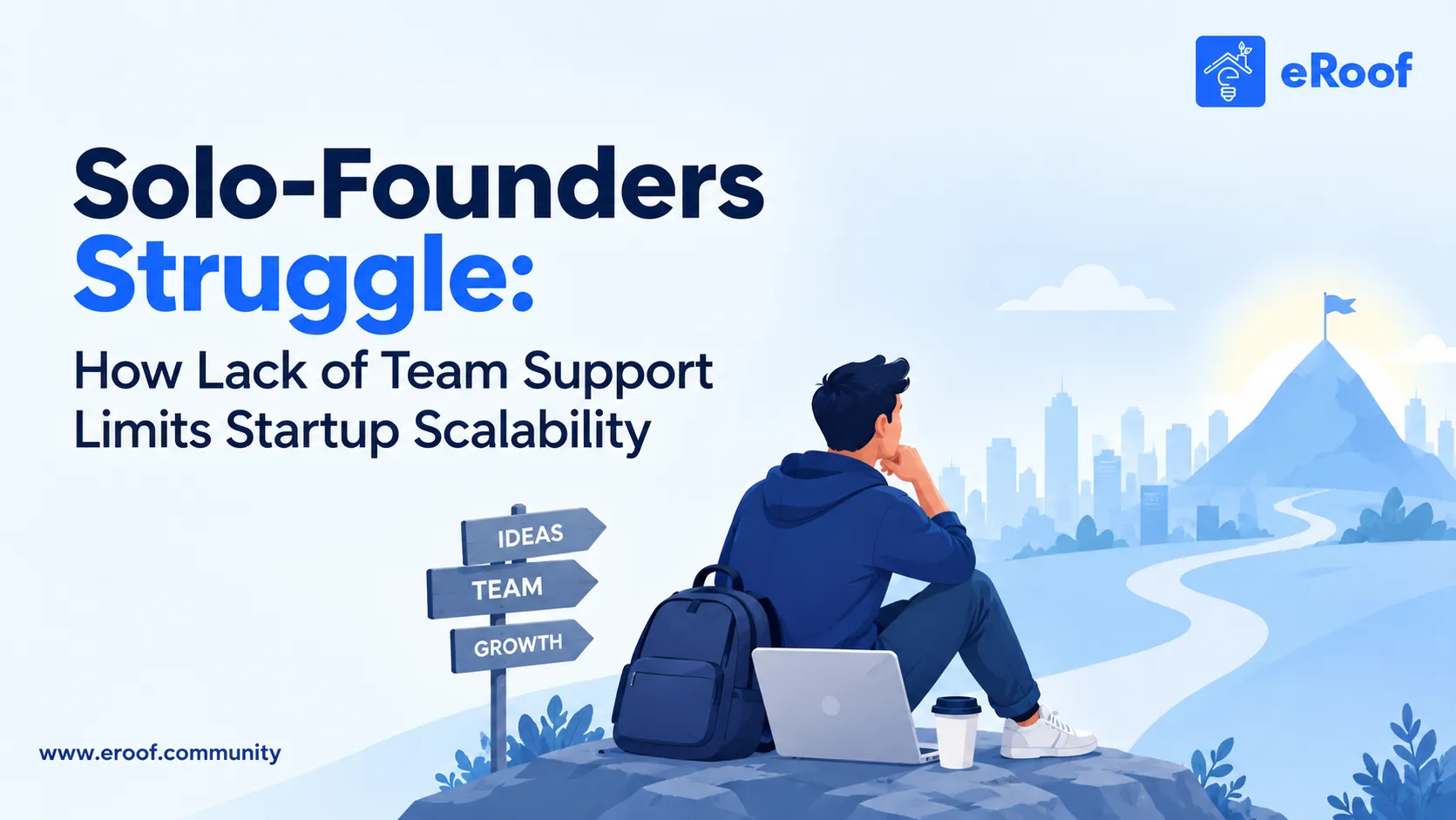
At the center of this structural collapse is the Solo-Founders Struggle, which is no longer just a trend forecast; it is the definitive boundary line between businesses that scale and those that quietly disappear.
We are operating in an era defined by artificial intelligence saturation, skyrocketing customer acquisition costs (CAC), and an unprecedented deficit in consumer trust.
When a solo operator attempts to navigate this landscape entirely alone, they run into a hard truth: their individual execution speed cannot compete with the compounding leverage of a network.
To survive and scale an early-stage startup, MSME, or digital agency, founders must transition away from isolated building and embrace the mechanics of community-driven distribution.
1. The Death of the Isolated Acquisition Funnel
For years, a solo builder could easily deploy a standardized customer acquisition strategy: spend capital on Meta or Google Ads, target a specific lookalike audience, and direct traffic to a clean landing page.
Today, that model is financially unsustainable for a bootstrapped or early-stage venture.
- Ad Fatigue & Cost Surges: Algorithms are highly saturated, driving ad costs to historic highs while conversion rates steadily decline.
- The AI Information Noise: Generative AI has made it incredibly easy to produce endless blog posts, landing pages, and cold outreach sequences. As a result, buyers are flooded with generic marketing messages, causing them to completely tune out unvetted cold pitches.
When a solo founder operates in isolation, they are forced to spend massive amounts of time and capital fighting through this digital noise. Without an organic distribution engine, the business burns through its financial runway just trying to get noticed by its first fifty customers.
2. What is Community-Led Growth (CLG)?
To counter this friction, the market has shifted toward Community-Led Growth (CLG).
[Old Playbook] ➔ Build Product ➔ Spend on Paid Ads ➔ Push to Cold Audience ➔ High Churn
[New Playbook] ➔ Build Community ➔ Deliver Value ➔ Co-Create Product ➔ Organic Retention
Community-Led Growth means treating a highly engaged network of peers, power users, and industry operators as the primary driver of your product development, distribution, and retention. It turns marketing upside down.
Instead of shouting at a cold audience through expensive advertising channels, a business builds an active space where value is consistently exchanged.
For small businesses, startups, and MSMEs, CLG provides an unfair market advantage. It bypasses traditional ad networking entirely, transforming your user base into a highly efficient, organic growth engine.
3. The 4 Core Advantages of Community-Led Growth for Solo Operators
When an early-stage venture integrates into a vibrant, curated startup community, it immediately addresses the primary operational weaknesses of the solo-founder model:
A. Bypassing Buyer Skepticism via Trust Transfer
In the current B2B and B2C landscapes, trust is the rarest and most expensive asset. A solo founder pitching a new software tool or agency service from an unverified brand faces intense buyer skepticism.
Inside a curated community, however, that trust friction is completely eliminated through a process known as Trust Transfer:
When you actively contribute value, share frameworks, and help solve problems inside a trusted founder network, your professional credibility is established out in the open.
When a fellow founder or member needs your exact expertise, they don't look for an ad; they buy from you directly or refer you to their clients. Your sales cycle shrinks from months to days because the community has already vetted your integrity and skill set.
B. Product Validation via Real-Time Co-Creation
Building a product in isolation often leads to the Echo Chamber Effect, spending months developing features that your target market doesn't actually care about.
A Community-Led approach protects your capital from this mistake. By sharing your early concepts, landing pages, and user flows with an active peer ecosystem, you get blunt, practical feedback before writing a single line of code or deploying ad budget.
You don't launch into a silent market; you co-create alongside your future power users, ensuring immediate product-market fit.
C. The Asset Library and Resource Multiplication
A bootstrapped solo operator rarely has the financial budget to hire an expensive executive team or retain high-tier legal and technical consultants.
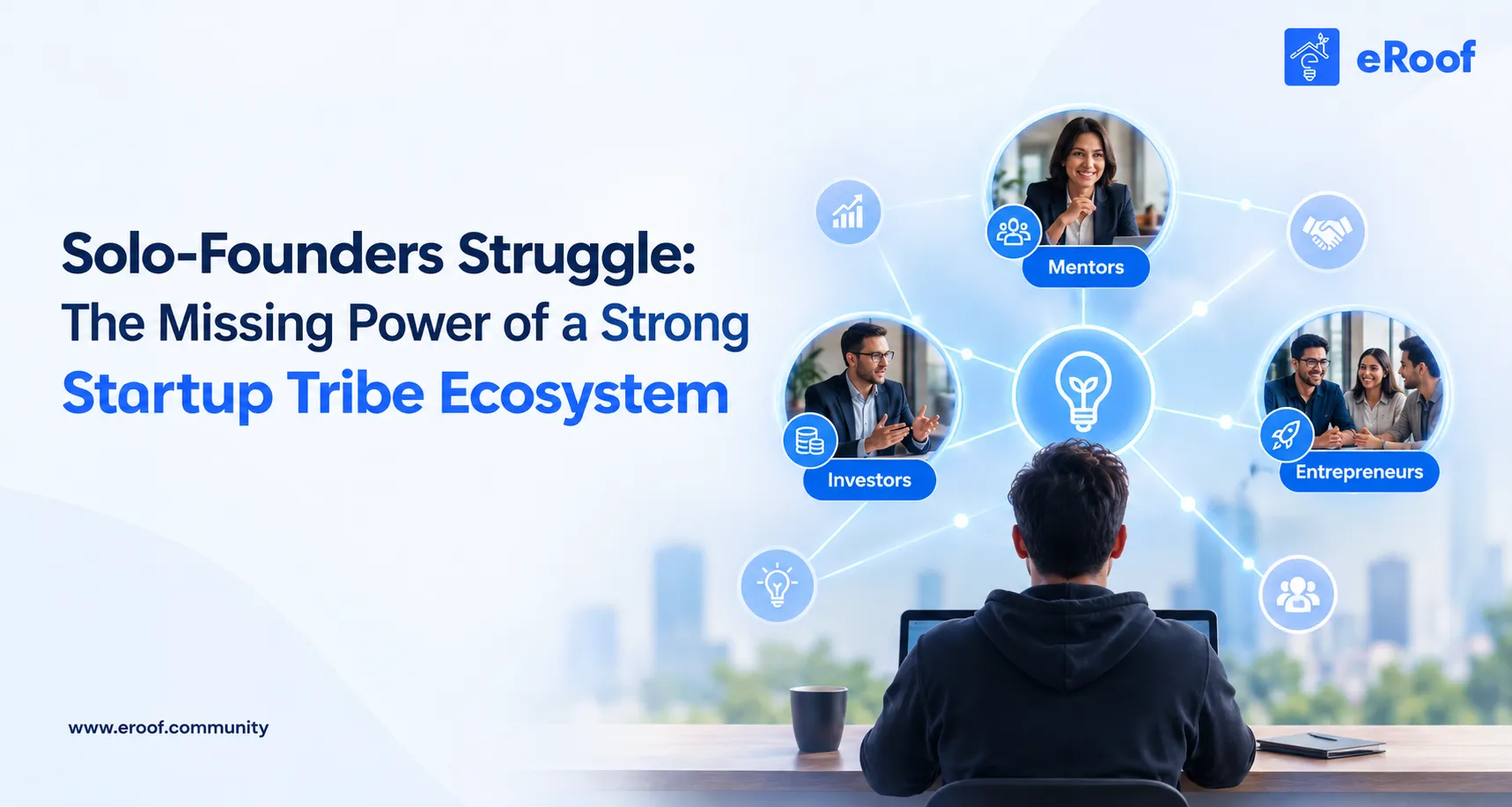
An elite startup community effectively acts as a decentralized asset library and peer brain trust.
Instead of building service level agreements (SLAs), operational SOPs, or tech frameworks completely from scratch, you can tap into a verified, community-tested resource pool.
Whether you need a proven cold-outreach template, a vetted vendor recommendation, or a quick technical diagnosis from a veteran operator, the collective intelligence of the ecosystem slashes your operational burn rate and doubles your execution speed.
D. Radical Accountability and Peer Pressure
When you work completely alone, it is incredibly easy to push off high-friction tasks—like making direct sales calls, auditing your churn metrics, or fixing a broken inbound funnel. Isolation allows you to quietly accept your own excuses.
A structured community introduces a necessary framework of radical accountability. Participating in regular peer check-ins and sprint reviews forces you to share your weekly growth metrics openly.
Watching other founders execute projects and close deals creates a healthy, productive psychological momentum that keeps you focused and eliminates operational procrastination.
4. Shifting from Transactional to Relational Equity
Many solo operators fail to leverage communities because they approach them with a highly transactional mindset.
They join a group and immediately drop links to their product or spam members' inboxes with generic brochures. This behavior quickly leads to being ignored or blacklisted.
To unlock the true power of Community-Led Growth, you must follow a clear 3-step playbook:
- Prioritize High-Value Value Drops: Enter the room with the sole intention of giving first. Share an operational checklist you designed, break down a successful marketing campaign you ran, or offer free, unconditional mini-audits to members.
- Focus on Building Relational Equity: Build genuine, long-term relationships with active operators. When the ecosystem respects your skills and values your presence, monetization and organic inbound referrals happen naturally.
- Choose Vetted, Monitored Spaces: Stay away from chaotic, open-source forums that are overrun with spam. Prioritize curated, screened communities where membership is verified, and conversations are focused purely on execution. The cleaner the room, the more valuable the opportunities inside it.
Conclusion: Community is Your Strategic Moat
The era of scaling a competitive business as a disconnected lone wolf is gone. In a market crowded with automated noise and rising acquisition costs, your absolute best strategic defense is the collective strength of a supportive network.
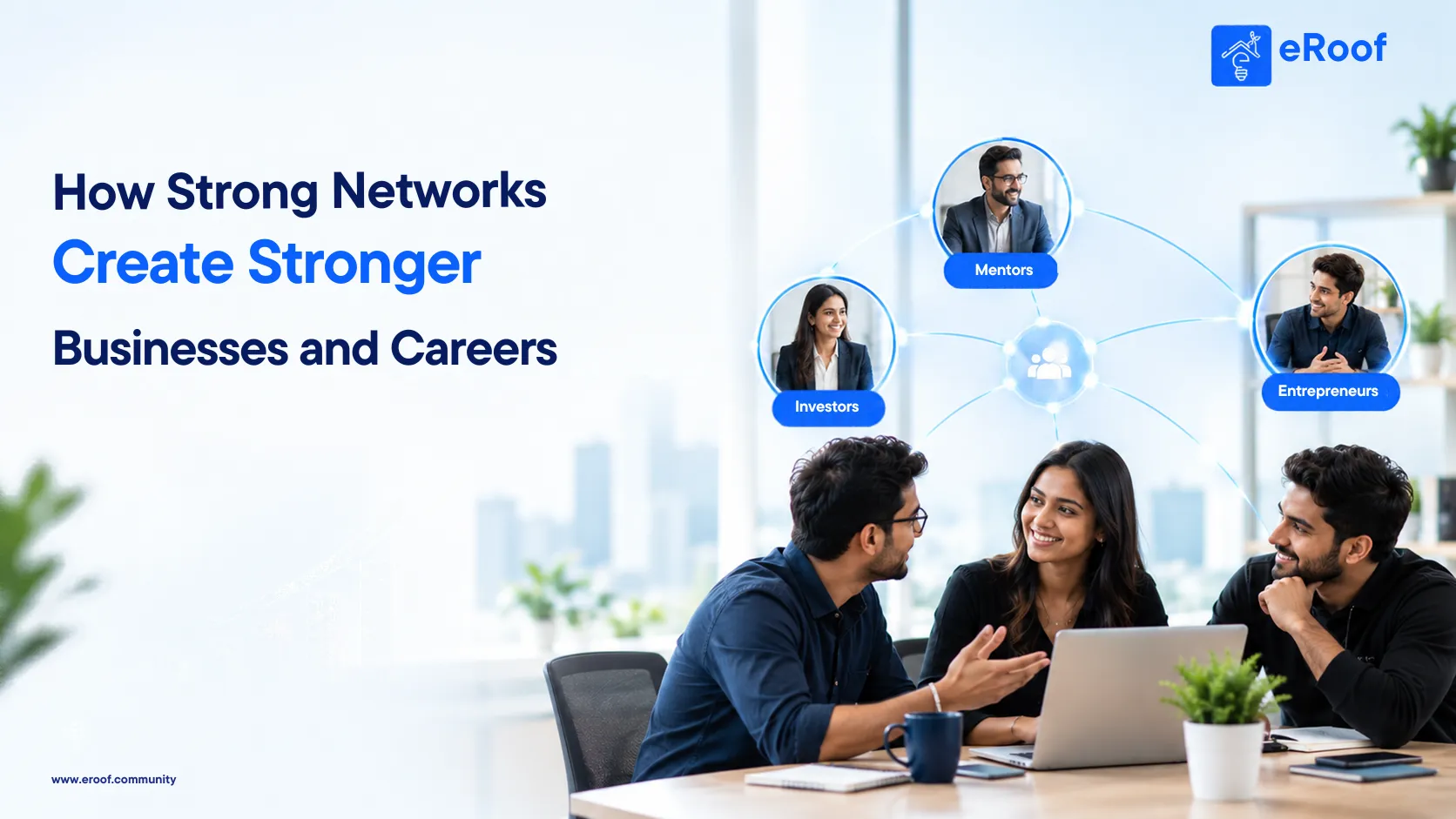
Stop attempting to carry the entire weight of an enterprise on your own. Step out of your operational silo, plant your business firmly within an elite, curated startup community, and use the power of collective intelligence and trust networks to accelerate your growth. You can move fast alone, but you can only scale long-term with a tribe behind you.

















Sign in to leave a comment.