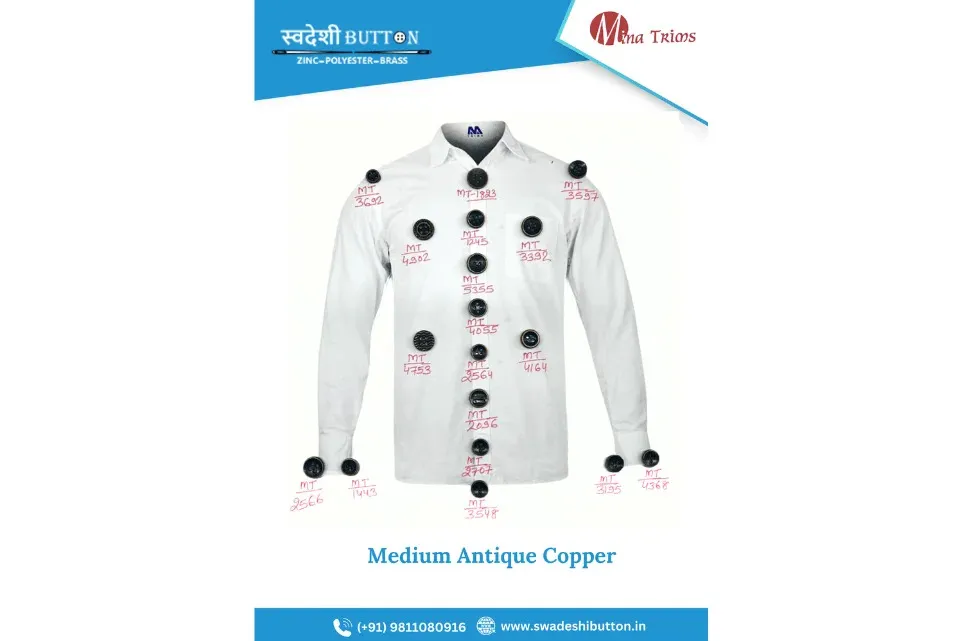

Nepali garment brands looking to source quality metal buttons often start with the same set of questions — what makes a "cast" button different, how sourcing across the border actually works, and what to look for in a supplier. This FAQ pulls together the questions asked most often by buyers evaluating Zinc Cast Button Suppliers in Nepal, most of whom source from Delhi's established trims manufacturing base.
Why do Nepali brands source zinc buttons from India instead of locally?
Nepal's domestic capacity for metal button casting is still limited compared to India's decades-old trims manufacturing ecosystem, particularly in Delhi. Combined with relatively fast and affordable land freight across the border, working with established Indian Zinc Button Suppliers in Nepal tends to offer better design variety, production capacity, and quality consistency than sourcing locally or from more distant markets.
What actually makes a button "cast" rather than stamped?
Casting involves pouring or injecting molten zinc alloy into a custom-engineered mold, which is then cooled and opened to reveal a button with sharp, detailed features. Stamping, by contrast, punches flat sheet metal into shape using a die — fast and inexpensive, but limited to shallow, simple designs. Genuine Zinc Casting Button Manufacturers in Nepal will use the mold-and-pour method specifically because it captures raised logos, embossed lettering, and sculpted textures that stamping can't reproduce.
Why does alloy composition matter so much?
Not all "zinc" buttons are made from the same blend of metals. Reputable Zinc Alloy Button Manufacturers in Nepal typically use a mix of zinc with small amounts of aluminum, copper, and magnesium — a combination engineered for strength, weight, and resistance to corrosion. A poorly balanced alloy might look fine when new but crack, discolor, or corrode after repeated washing, which is why it's worth asking suppliers for their exact alloy ratio rather than accepting a vague quality assurance.
What finishes are typically available for cast buttons?
Most established Casted Button Suppliers in Nepal offer a fairly broad finish range, including antique brass, antique silver, high-polish gold, matte black, gunmetal, and two-tone or enamel-filled options. The right choice usually depends on garment category — antique finishes suit denim and outerwear, while polished finishes work better for formalwear and premium shirting.
Can small or growing brands order in smaller quantities?
It depends on the supplier. Some Zinc Buttons Wholesalers in Nepal primarily serve large-volume export clients with high minimum order quantities, while others offer more flexible MOQs suited to smaller or growing labels. It's worth asking directly during the initial inquiry rather than assuming a supplier's terms based on their catalog alone.
How long does a custom button order usually take?
Custom orders generally involve two stages — mold development and sample approval, followed by bulk production once the design is finalized. Reliable Trims Button Suppliers in Nepal should be able to give a clear timeline for both stages upfront. Buyers sourcing across the Nepal-India border should also factor in customs clearance time on top of standard production lead times.
Do I need to worry about compliance or testing standards?
If your garments are destined for international markets beyond Nepal, yes. Standards like nickel-release limits and lead compliance are commonly required, particularly for shipments headed to the EU or other regulated markets. Established Casted Trim Button Suppliers in Nepal who work with export clients regularly should have relevant test documentation on hand and be willing to share it on request.
How do I know if a manufacturer does its own casting, or outsources it?
This is one of the most important — and most overlooked — questions in the entire sourcing process. Some suppliers marketing themselves as Zinc Trim Button Manufacturers in Nepal are actually coordinating production across multiple third-party units, which increases the risk of inconsistent quality and missed deadlines. A direct question about whether casting, plating, and quality control all happen on the same premises usually reveals the answer quickly.
Where can I see examples of finished zinc casted buttons before reaching out?
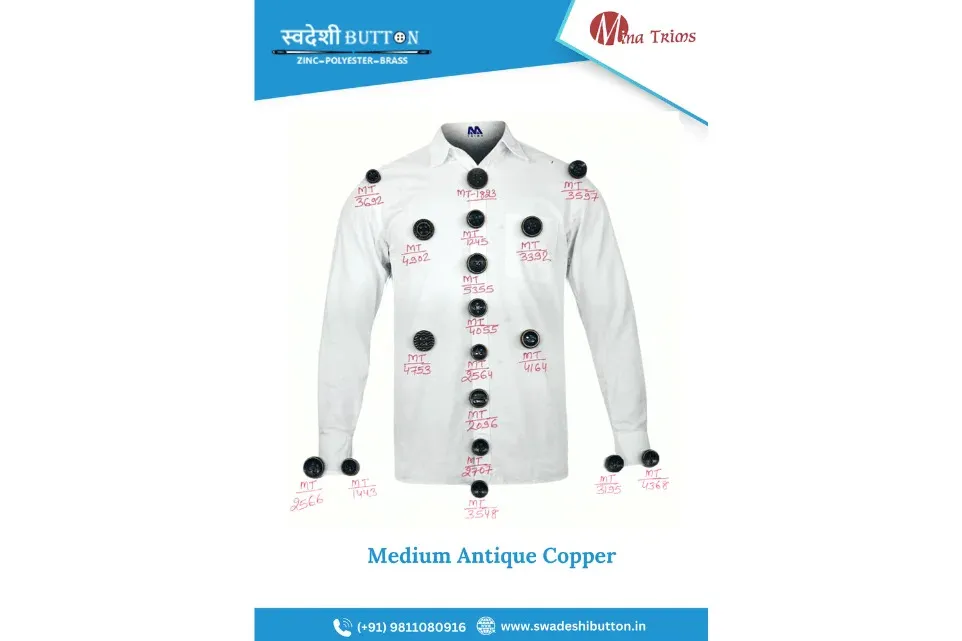
Buyers who want to review real design and finish options before starting a supplier conversation can look at Swadeshi Button, whose zinc casted buttons catalog showcases a range of styles and finishes. Reviewing an established catalog like this ahead of time often makes it easier to communicate design preferences clearly once a conversation with a manufacturer begins.
Final Takeaway
Sourcing zinc buttons across the Nepal-India border doesn't need to be complicated once buyers understand the basics — how casting actually works, why alloy composition matters, and what separates a genuine in-house manufacturer from one that outsources production. Asking the right questions upfront turns button sourcing from a guessing game into a straightforward, repeatable part of the production process.
Want to explore design and finish options firsthand? Browse Swadeshi Button's zinc casted buttons range before reaching out for a quote.






















Sign in to leave a comment.