


Finding the right South Tampa Personal Trainer can make it easier to follow a structured exercise routine, understand proper movement techniques, and stay consistent with fitness goals. However, choosing a trainer should involve more than comparing prices or selecting the first available option. Understanding training styles, qualifications, session formats, and personal goals can help people make a more informed decision.
Whether someone is new to exercise, returning after a long break, or looking for a more organized approach to strength and conditioning, professional guidance can provide structure. The most suitable training arrangement depends on factors such as fitness level, schedule, preferred environment, and specific objectives.
What Does a Personal Trainer Do?
A personal trainer helps individuals plan and perform exercise sessions based on their current abilities and goals. Training may include strength exercises, cardiovascular conditioning, mobility work, balance exercises, and flexibility training.
A qualified trainer generally begins by learning about a client's goals, exercise history, movement abilities, and limitations. This information can help determine which exercises are appropriate and how difficult the sessions should be.
Common Responsibilities of a Personal Trainer
A personal trainer may:
- Develop structured exercise routines
- Demonstrate proper exercise techniques
- Adjust exercises according to fitness level
- Monitor progress over time
- Introduce progression gradually
- Encourage consistent exercise habits
- Explain warm-up and recovery strategies
- Modify movements when necessary
The goal is not simply to make workouts harder. Effective training involves choosing appropriate exercises, managing intensity, and allowing sufficient recovery.
Who Can Benefit From Personal Training?
Personal training is not limited to athletes or experienced gym users. Beginners can benefit from learning fundamental movement patterns, while experienced exercisers may use professional guidance to improve technique or overcome plateaus.
People who may consider personal training include:
- Beginners who feel uncertain about gym equipment
- Adults returning to exercise after a long break
- Individuals interested in strength development
- People working toward general fitness improvements
- Recreational athletes seeking additional conditioning
- Individuals who prefer structured workouts
- People who have difficulty maintaining exercise consistency
Anyone with a medical condition, recent injury, or significant physical limitation should discuss appropriate exercise with a qualified healthcare professional before beginning a new program.
How to Choose the Right Training Format

Not every person benefits from the same training environment. Some prefer individual attention, while others enjoy exercising alongside a small group.
A Small Personal Training Studio can provide an alternative to a large commercial gym. These settings may offer a quieter environment and fewer distractions, although the actual experience depends on the facility and trainer.
One-on-One Training
One-on-one sessions provide direct interaction between the trainer and client. This format can make it easier to adjust exercises, monitor technique, and adapt the workout during the session.
It may suit people who prefer individualized instruction or have specific training objectives.
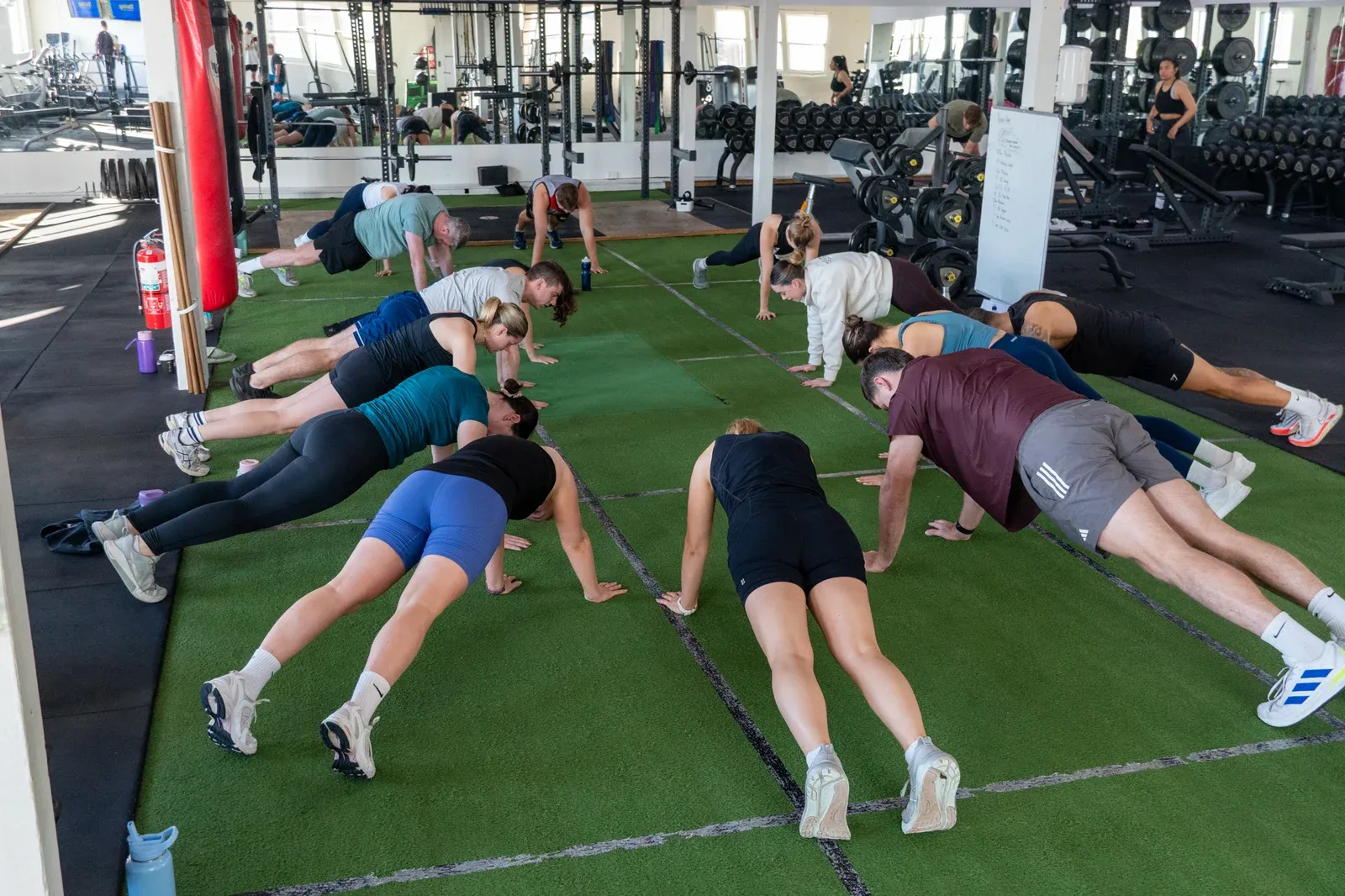
Small-Group Training
Small-group sessions allow several people to exercise together under professional supervision. They can provide social interaction while still offering more guidance than a large group fitness class.
The level of individual attention depends on the group size and training structure.
Independent Gym Training
Independent training gives people complete control over their schedule and workouts. However, it requires individuals to select exercises, understand technique, monitor progression, and maintain consistency on their own.
Personal Training Formats Compared
| Training Format | Individual Attention | Flexibility | Social Interaction | Suitable For |
|---|---|---|---|---|
| One-on-one | High | High | Low | Personalized goals |
| Small group | Moderate to high | Moderate | High | People who enjoy shared workouts |
| Large group class | Moderate | Lower | High | Group motivation |
| Independent gym | Self-directed | High | Variable | Experienced exercisers |
The best choice depends on personal preferences, experience, budget, and schedule rather than one format being universally better.
What Should You Ask a Personal Trainer?
Before starting, it is useful to ask questions that clarify how the training process works.
1. What Certifications Do You Have?
Ask about relevant professional certifications and continuing education. Certification requirements vary, so understanding a trainer's qualifications can help with decision-making.
2. How Do You Assess New Clients?
A trainer should be able to explain how they evaluate fitness levels, movement abilities, goals, and exercise history before creating a program.
3. How Do You Track Progress?
Progress can be measured in several ways, including strength improvements, exercise performance, endurance, mobility, consistency, or other appropriate metrics.
4. How Do You Modify Exercises?
A good training plan should be adaptable. Ask how exercises are changed when a movement is uncomfortable, too difficult, or no longer challenging enough.
5. What Does a Typical Session Include?
Understanding the session structure beforehand can help set realistic expectations.
Actionable Tips for Getting More From Personal Training
Professional guidance is only one part of successful training. What happens between sessions also matters.
Set Specific Goals
Instead of simply saying "get fit," establish measurable objectives. For example, a person might aim to exercise three times per week, improve a specific movement, or gradually increase strength.
Maintain Consistency
A moderate routine performed consistently is often more sustainable than occasional extremely difficult workouts. Create a weekly schedule that fits realistically into everyday life.
Prioritize Technique
Correct exercise technique should come before adding more weight or increasing intensity. Controlled movement can help develop better exercise habits and reduce unnecessary strain.
Track Your Progress
Keep a simple record of workouts, repetitions, resistance, energy levels, or other relevant measures. This information can help identify patterns and demonstrate gradual improvement.
Allow Recovery
Rest days, adequate sleep, hydration, and appropriate nutrition support recovery. Training every day at maximum intensity is not necessary for most recreational exercisers.
Communicate Clearly
Tell the trainer when an exercise feels uncomfortable, when the workload seems excessive, or when a particular movement is difficult to understand. Clear communication helps the program remain appropriate.
How Often Should You Work With a Personal Trainer?
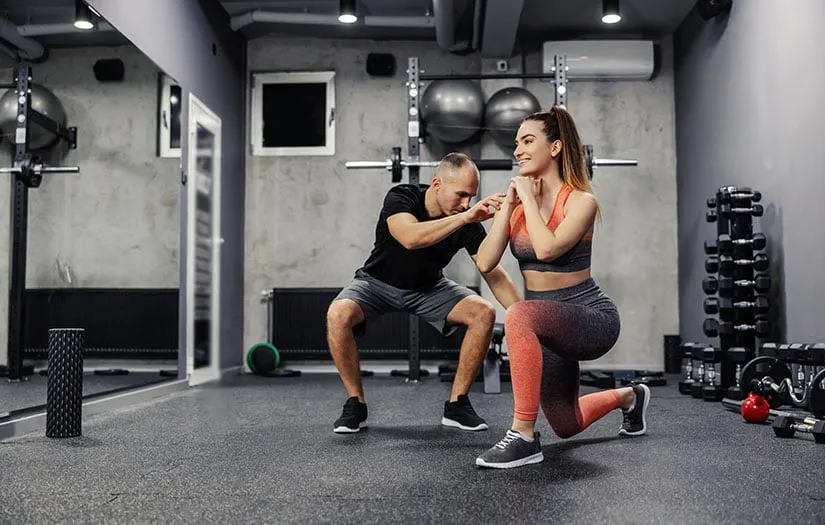
The ideal frequency depends on goals, experience, schedule, and budget. Some beginners may benefit from frequent instruction while learning fundamental exercises. Others may use occasional sessions to review technique and update an independent program.
A practical approach is to consider how much professional guidance is needed versus how much exercise can be completed independently.
For example:
- Beginners may initially benefit from regular supervised sessions.
- Intermediate exercisers may combine training sessions with independent workouts.
- Experienced exercisers may use occasional professional assessments or program updates.
There is no single frequency that applies to everyone.
What Makes a Training Program Effective?
An effective exercise program generally includes appropriate exercise selection, progressive challenge, consistency, recovery, and adjustment over time.
A program should also reflect the individual's current fitness level. Someone new to resistance training may begin with basic movement patterns and gradually increase resistance. More experienced individuals may require more advanced programming.
Progressive Overload
Progressive overload means gradually increasing the challenge placed on the body. This can involve adding resistance, increasing repetitions, improving exercise control, increasing training volume, or using other appropriate progression methods.
Progression should be gradual rather than sudden.
Exercise Variety
Different types of exercise can address different aspects of fitness. Depending on individual goals, a routine may combine resistance training, aerobic activity, mobility exercises, and flexibility work.
Variety can also make workouts more engaging and reduce excessive repetition of the same movements.
People Also Ask
What should I look for in a South Tampa Personal Trainer?
Look for appropriate qualifications, clear communication, experience relevant to your goals, a structured assessment process, and a training approach that emphasizes safe and progressive exercise.
How much does a personal trainer cost in South Tampa?
Prices vary according to session length, training format, trainer experience, facility, and package structure. Comparing services and session formats is more useful than relying on price alone.
Is personal training suitable for beginners?
Yes. Beginners can use personal training to learn exercise fundamentals, understand equipment, practice technique, and develop a manageable routine.
How long does a personal training session usually last?
Many sessions are structured around approximately 30 to 60 minutes, although duration varies by trainer, program, and training objectives.
Can personal training help with weight management?
Exercise can contribute to overall energy expenditure and physical fitness. Weight management also involves nutrition, sleep, daily activity, and other factors, so exercise should be viewed as one component of a broader approach.
FAQ
Should I choose one-on-one or small-group training?
Choose one-on-one training if individualized attention is your priority. Small-group training may be more suitable if you enjoy social interaction while still wanting professional guidance.
What should I bring to a training session?
Comfortable exercise clothing, appropriate athletic footwear, water, and any information relevant to your training needs are generally useful.
How quickly can I expect results?
Results vary significantly depending on starting fitness level, goals, consistency, exercise program, recovery, nutrition, and other individual factors. Sustainable improvement generally requires time and regular effort.
Should I exercise outside of personal training sessions?
Depending on your program, independent activity can complement supervised sessions. A trainer can help determine an appropriate balance.
What happens during the first session?
An initial session may involve discussing goals, reviewing exercise history, assessing movement or fitness levels, and introducing appropriate exercises. The exact process varies by trainer.
Choosing a personal trainer is ultimately about finding an approach that fits your goals, schedule, experience, and preferred training environment. Understanding different training formats, asking useful questions, tracking progress, and prioritizing consistency can make the process more effective.
For readers exploring professional fitness guidance in the area, Soho Fit Tampa is one local option to research alongside other providers. The most important consideration is whether the training approach is appropriate, understandable, sustainable, and aligned with individual needs.
Soho Fit Tampa





















Sign in to leave a comment.