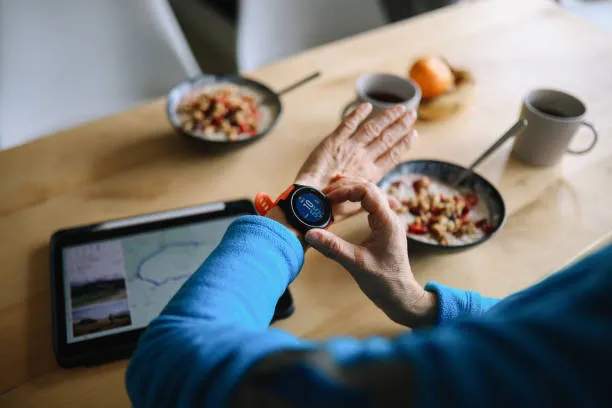

Sports nutrition is becoming increasingly connected with everyday fitness, exercise, and wellness in Spain. What was once largely associated with professional athletes and specialized gyms is gaining broader consumer attention, creating opportunities for products designed to support training, recovery, hydration, and nutritional needs.
According to the supplied Vyansa Intelligence analysis, the Spain sports nutrition sector was valued at USD 250 million in 2025 and is projected to reach USD 405 million by 2032, representing a 7.13% CAGR from 2026 to 2032.
Growing Interest in Fitness Supports Demand
Greater participation in recreational exercise and fitness can support demand for sports nutrition products. Consumers may use protein products, sports drinks, energy products, and supplements as part of their regular exercise routines.
Recent industry analysis also points to expanding consumer participation in sports nutrition in Spain, with protein products and other functional formats receiving increased attention.
This broader consumer base creates opportunities beyond the traditional specialist sports audience.
Protein Products Remain Important
Protein is a central component of sports nutrition because consumers commonly associate it with muscle development, recovery, and active lifestyles. Protein powders, bars, and ready-to-consume products can provide convenient options for people seeking to increase their protein intake.
Spanish retail analysis has identified protein products as an important part of the sports nutrition category, while protein bars and powdered products remain prominent formats.
Manufacturers can therefore focus on different formulations, flavors, serving sizes, and formats to address varied consumer preferences.
Convenience Influences Product Choices
Convenience is becoming increasingly important as sports nutrition moves into mainstream retail environments. Portable products such as bars, ready-to-drink beverages, and single-serving formats can fit easily into work, travel, and exercise routines.
The expansion of sports nutrition across organized retail and digital channels also gives consumers greater access to products outside specialist fitness stores.
This creates opportunities for brands to combine nutritional functionality with convenient consumption.
Functional Nutrition Creates Differentiation
Consumers may select sports nutrition products according to specific goals, including performance, recovery, muscle support, hydration, or general nutritional supplementation.
This creates room for differentiated formulations and specialized products. Clear communication of ingredients, nutritional composition, recommended intake, and intended use can help consumers make informed choices.
The Spanish Agency for Food Safety and Nutrition defines food supplements as concentrated sources of nutrients or other substances with a nutritional or physiological effect and states that recommended daily doses should not be exceeded.
Regulation Supports Product Transparency
Regulatory requirements are an important consideration for manufacturers and suppliers operating in Spain. Food supplements are subject to specific European and Spanish requirements covering ingredients, notification, labeling, and consumer information.
AESAN notes that Spanish legislation concerning food supplements is established under Royal Decree 1487/2009, which incorporates the relevant European framework.
This makes compliance, accurate labeling, and responsible product communication important elements of market participation.
Quality and Safety Remain Priorities
Sports nutrition products are consumed as part of regular dietary routines, making product quality and safety particularly important. Ingredient selection, manufacturing controls, accurate labeling, and appropriate storage can all influence consumer confidence.
AESAN explains that official food controls are conducted throughout the food chain to verify compliance with applicable legislation and protect consumer health.
The authority also maintains food-alert systems covering risks associated with certain food supplements, reinforcing the importance of safety and regulatory oversight.
Digital and Retail Channels Expand Access
Consumers can increasingly discover and purchase sports nutrition products through supermarkets, specialist retailers, online platforms, and other distribution channels.
Digital channels can also provide manufacturers with opportunities to communicate product information directly to consumers. Clear descriptions, ingredient information, nutritional values, and usage guidance can support informed purchasing decisions.
The expansion of retail availability means sports nutrition products can reach consumers who may not consider themselves professional athletes but still participate in fitness and recreational activities.
Product Innovation Supports Growth
Innovation within sports nutrition can involve ingredients, product formats, flavors, packaging, and targeted nutritional applications. Manufacturers can develop products for different consumption occasions, from pre-exercise nutrition to post-workout recovery.
Recent analysis of Spain's category has highlighted innovation around ingredients and new formats, including shakes and dessert-style products.
Such developments can help brands respond to consumers seeking variety and convenience.
Broader Wellness Trends Create Opportunities
Sports nutrition increasingly overlaps with broader health and wellness habits. Consumers may combine exercise with greater attention to protein intake, balanced diets, recovery, and personalized nutritional choices.
This broadening consumer base can support opportunities for products positioned for everyday active lifestyles rather than only intensive athletic training.
At the same time, responsible communication remains important because food supplements are not intended to replace a balanced diet or function as medicines.
Outlook Through 2032
The sector's development will remain connected to fitness participation, protein-focused nutrition, convenient formats, functional products, retail accessibility, digital purchasing, product innovation, and regulatory compliance.
As sports nutrition becomes more integrated into everyday wellness routines, manufacturers can focus on products that combine nutritional functionality with convenience and clear consumer information. Compliance with Spanish and European food-safety requirements will also remain essential for maintaining product quality and consumer confidence.
Overall, fitness participation, protein nutrition, convenience, functional products, product innovation, retail expansion, digital channels, and food-safety standards will remain important factors shaping the Spain sports nutrition sector through 2032.
































Sign in to leave a comment.