

When a child understands everything but struggles to say what they mean, families often feel lost. For some children the cause is childhood apraxia of speech (CAS), a motor speech disorder that makes speech movements hard to plan. The good news is that targeted therapy works. This guide explains speech therapy for childhood apraxia of speech: what CAS is, which approaches have research support, how often therapy should happen and how families can help at home.
What Is Childhood Apraxia of Speech?
CAS is a pediatric motor speech disorder that affects the planning and programming of the movements needed for speech. It is estimated to occur in about 1 in 1,000 children. The muscles themselves are not weak; the brain has difficulty sending precise instructions for the order, timing and force of movements. Children with CAS often have speech that is hard to understand, and it generally does not resolve without appropriate, targeted intervention.
Signs Parents and Clinicians Notice
ASHA describes three consensus features: inconsistent errors on consonants and vowels in repeated attempts at the same word, lengthened or disrupted transitions between sounds and syllables, and unusual prosody, such as stress or rhythm that sounds off. Families also commonly report:
- Few sounds or words for their age, with limited babbling earlier on
- Visible “searching” movements of the mouth before a word
- Words that sound different each time
- Speech that gets harder as words get longer
Only a certified speech-language pathologist can diagnose CAS, and it can look similar to other speech sound disorders, so a careful evaluation matters.
Why CAS Needs a Different Approach
Traditional articulation therapy often focuses on single sounds. CAS is about motor planning, so therapy usually centers on practicing sequences of movements in syllables, words and short phrases, with plenty of repetition. The goal is not only to produce a sound once, but to make the movement more automatic so it carries over into everyday speech.
Principles of Motor Learning in CAS Therapy
Motor learning principles guide how SLPs structure sessions:
- Many repetitions of speech targets in each session
- Practice variability and scheduling, moving from simple to complex targets
- Feedback that fades, with more cueing early on and less as skills grow
- Focus on real speech, including prosody, not only non-speech mouth exercises
- Functional targets, such as words that matter to the child
Evidence-Based Approaches
An ASHA-linked umbrella review of systematic reviews concluded that CAS treatment improves articulation and intelligibility, with motor programming treatments, such as Dynamic Temporal and Tactile Cueing (DTTC), integral stimulation, Rapid Syllable Transition treatment and the Nuffield Dyspraxia Programme, appearing most effective, especially with higher dose and dose frequency. Evidence for linguistic approaches alone was more limited. No single program works for every child, so SLPs match the approach to the child’s age, severity and attention. Read more on the ASHA Evidence Map summary and at Apraxia Kids.
How Often Should Therapy Happen?
Children with CAS typically benefit from frequent, intensive practice. Apraxia Kids notes that shorter, more frequent sessions are often more productive than one long session, and describes three to five sessions per week as commonly appropriate. That may be hard to arrange, so families and SLPs often balance clinic visits, school services and home practice based on the child’s attention span, goals and the family’s resources. As skills change, the plan should change too.
The Role of AAC and Other Supports
While speech develops, a child still needs a way to communicate. Augmentative and alternative communication (AAC), gestures and picture supports can reduce frustration and give the child more chances to be understood. These supports are used alongside speech therapy, not in place of it, and many families see them help rather than hold speech back.
Practicing at Home
- Use the short targets your SLP gives you, and practice a few minutes several times a day.
- Use a mirror, and let the child watch and feel the movements.
- Slow down your own speech, and give the child time to try.
- Celebrate effort, not only correct productions.
- Keep sessions playful so practice does not feel like a test.
Choosing an SLP and Considering Telepractice
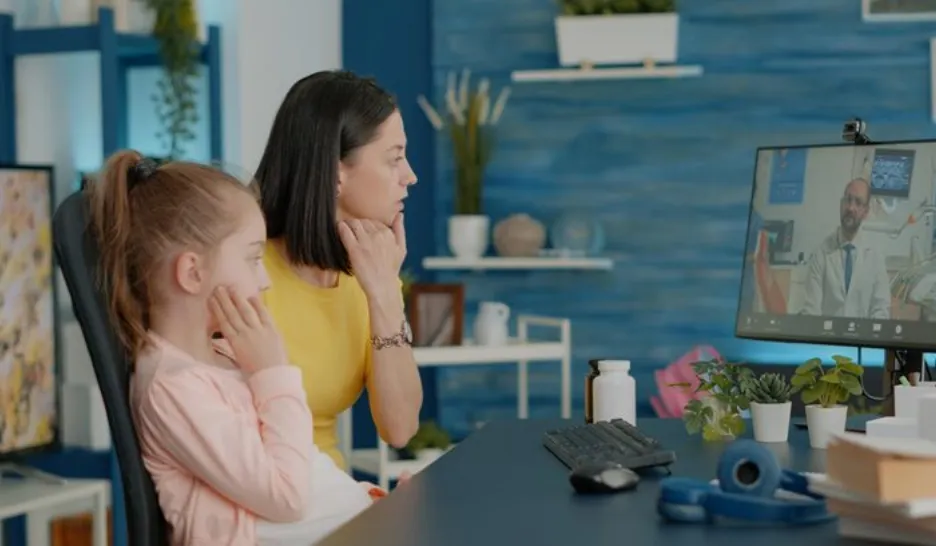
Look for an SLP with experience in CAS and motor-based approaches. Ask how sessions are structured, how many repetitions are targeted and how home practice is supported. Some families add telepractice SLP sessions to reach higher frequency or reduce travel. Ask providers how they adapt motor speech work for video sessions, and discuss with your SLP whether it fits your child.
Training and Tools for SLPs
Clinicians can strengthen their skills with ReadySetConnect’s course Putting the Puzzle Together: Five Key Pieces of CAS Therapy, and those offering remote sessions may find Telepractice Techniques for Toddlers and Very Young Children useful. To track targets, trials and caregiver practice plans in one HIPAA-secure place, see practice management software for speech therapists.
Final Thoughts
Speech therapy for childhood apraxia of speech works best when it is motor-based, frequent and tailored to the child. Early evaluation, consistent practice and a supportive team make a real difference. Explore CEUs and clinical tools for SLPs at ReadySetConnect.





























Sign in to leave a comment.