

If you’ve ever tried to source spices from overseas, you know the first challenge isn’t finding suppliers. It’s figuring out which ones to trust.
Search for a spices exporter in Gujarat and you’ll find dozens of options, many of them sounding identical. This guide is meant to cut through that noise. Whether you run a restaurant group, a packaged-food brand, or an import business, here’s how to understand the region, the products, and the checks that actually matter.
Why Gujarat Matters in the Spice Trade?
Gujarat has long been associated with seeds and spices, particularly cumin (jeera), fennel (saunf), and coriander. The state’s dry climate and farming traditions suit these crops well, and it is one of India’s leading producers of cumin and fennel. Towns such as Unjha are widely known as trading centres where farmers, agents, and processors meet.
The state also benefits from port access, including Mundra and Kandla, which helps exporters move cargo to international destinations. That combination of local crops, trading networks, and logistics is why many buyers begin their search here.
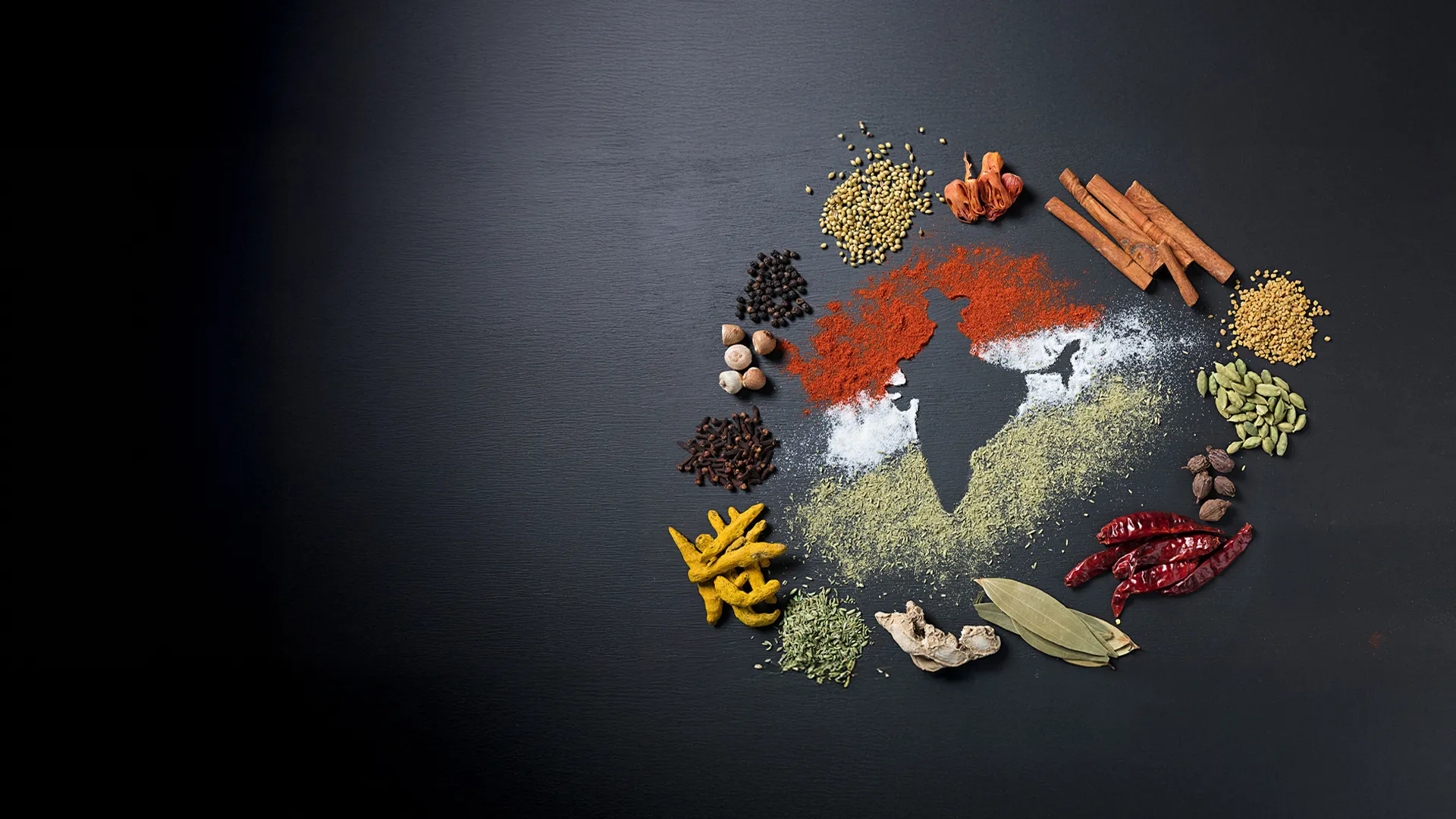
Spices and Seeds Commonly Exported from Gujarat
Gujarat-based exporters typically handle a mix of their own regional crops and spices sourced from other parts of India:
- Cumin seeds: a staple for Middle Eastern, Mexican, and Indian cooking
- Fennel seeds: used in spice blends, mouth fresheners, and bakery products
- Coriander seeds and powder: a base ingredient in many masalas
- Mustard and fenugreek seeds: used in pickles, curries, and seasoning mixes
- Turmeric and red chilli: often sourced from other states and processed or packed locally
- Sesame and psyllium husk: other agro products frequently exported alongside spices
Knowing what a supplier actually specialises in helps you decide whether they’re a good fit for your category.
What “Good Quality” Looks Like in Spices?
Quality isn’t a slogan. It’s something you can inspect. When you receive samples, check for:
Cleanliness and Purity
Seeds should be free from dust, stems, stones, and foreign matter. Reputable processors use cleaning and sorting machines to reach a defined purity level, which should be written into the specification.
Colour, Size, and Aroma
Cumin should smell warm and strong, fennel should be uniform and greenish, and coriander should have a clean, citrus-like fragrance. Dull colour or weak aroma can point to old stock or poor storage.
Moisture Level
Too much moisture invites mould and spoilage during transit. Ask for the moisture range in the specification.
Absence of Adulterants
Buyers should expect no added colours, fillers, or artificial enhancers.
Understanding Compliance and Standards
Spice exports are regulated, and importing countries often set their own limits for pesticide residues, microbial contamination, and other contaminants. A serious exporter should be comfortable discussing the following with you:
- Registration with the Spices Board of India, the government body that promotes and regulates spice exports
- FSSAI food safety licensing in India
- IEC (Importer Exporter Code), which is required for exporting from India
- Laboratory testing for the parameters your destination market requires
- Certificate of Origin, phytosanitary certificate, and packing documents, as applicable
For reliable information on rules and export procedures, the official sources are the Spices Board of India , APEDA , and FSSAI . It’s always wise to confirm your destination country’s import requirements before ordering.
How the Export Process Usually Works
Most bulk spice orders follow a similar path:
- Share your requirement: product, grade, quantity, packaging, and destination.
- Review samples and specifications before agreeing on terms.
- Confirm pricing, payment terms, and delivery schedule in writing.
- Processing, cleaning, and packing to the agreed specification.
- Quality checks and testing where required.
- Documentation and shipping by sea or air.
- Delivery and feedback, which sets the foundation for repeat orders.
Clear communication at each step is a good sign. If a supplier is vague on timelines or paperwork, treat that as information.
Questions Worth Asking Any Supplier
Before committing to a bulk order, ask:
- Can I see recent samples and product specifications?
- What is your minimum order quantity?
- How do you test and grade your spices?
- What packaging options are available for export?
- Which export documents do you provide?
- Can you support private labelling or custom blends?
You aren’t being difficult by asking. Good exporters expect these questions.
Common Mistakes to Avoid
Choosing only on price. A low quote may reflect lower purity, older stock, or weaker cleaning. Compare offers at the same specification.
Skipping samples. A sample approval protects you from nasty surprises in bulk.
Leaving specs unwritten. Purity, moisture, grade, and packing should all be documented before dispatch.
Ignoring packaging. Poor packaging can damage good spices during a long sea journey.
A Reference Point for Buyers
Shree Agro International is one example of an Indian agro exporter supplying spices and seeds to buyers abroad. If you’d like to see how a supplier presents its product range and enquiry process, you can look through their website at shreeagrointernational.com. Whichever supplier you consider, apply the same checks above.
Frequently Asked Questions
1. What does a spices exporter actually do?
An exporter sources, cleans, grades, packs, and ships spices to buyers in other countries, and handles the paperwork required for international trade.
2. Is Gujarat only known for cumin and fennel?
Those are its best-known crops, but exporters in the state often supply a wider range, including coriander, mustard, fenugreek, sesame, and spices sourced from other parts of India.
3. What documents are needed to import spices from India?
This varies by destination country. Commonly requested documents include a commercial invoice, packing list, bill of lading, certificate of origin, and a phytosanitary certificate. Check your own country’s import rules first.
4. How can I check the quality of spices before ordering in bulk?
Request samples, compare them with the written specification, and consider testing at an accredited laboratory for parameters relevant to your market.
5. Can I buy small trial quantities?
Many exporters offer trial or sample orders before bulk shipments. Minimum quantities differ by supplier and product, so ask directly.
6. Do exporters offer private label or custom packing?
Some do. If you plan to sell under your own brand, confirm packaging formats, labelling support, and minimum volumes early.
Final Thoughts
Choosing a spices exporter in Gujarat, or anywhere, comes down to transparency. Look for clear specifications, willingness to share samples, honest answers about compliance, and steady communication. Do that, and you’ll avoid most sourcing problems before they begin.
If you’re building a shortlist, start with your requirements, ask the questions above, and compare suppliers on quality and reliability, not only price. When you’re ready to explore an option, you can review the range and send an enquiry at shreeagrointernational.com.




















Sign in to leave a comment.