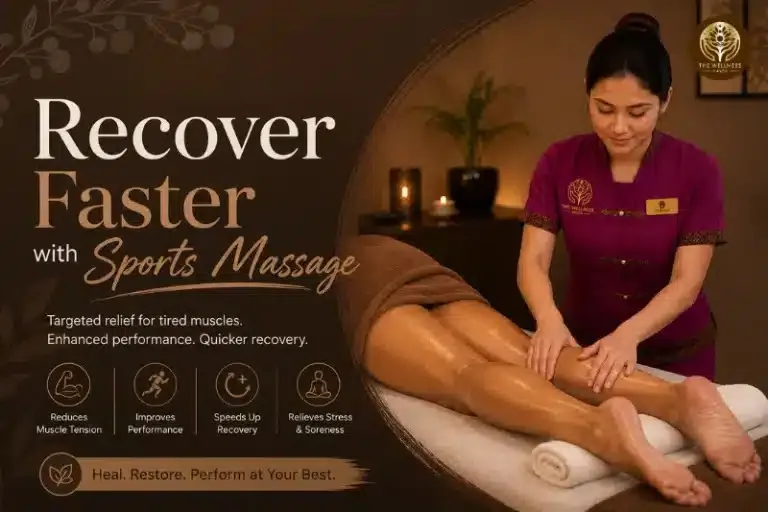


Football is a physically demanding sport that combines sprinting, sudden changes of direction, jumping, kicking, and repeated periods of high-intensity movement. For players, training and matches can place considerable stress on the legs, hips, lower back, and shoulders. While proper nutrition, hydration, sleep, strength training, and rest remain important parts of recovery, massage can also be included in a well-rounded recovery routine.
Sports massage is designed with active people in mind and can focus on muscles that experience repeated workload. For football players, it may be particularly useful during a busy season when training sessions and matches leave limited time for recovery.
Why Recovery Matters During Football Season
A football season can involve a demanding schedule. Players may have multiple training sessions each week, competitive matches, gym sessions, and travel. When recovery is overlooked, normal post-exercise muscle soreness and tightness can make training feel more difficult.
Recovery does not mean simply taking a day off. It involves giving the body appropriate time and support to adapt to physical demands. Sleep, hydration, balanced meals, mobility work, and sensible training loads all contribute to this process.
Sports massage can complement these habits by providing a focused approach to areas that feel particularly tight or fatigued.
How Sports Massage Can Support Football Players
Sports massage generally uses techniques adapted to an individual's activity and physical needs. A therapist may work on specific muscle groups rather than providing a full-body relaxation massage.
For football players, common areas of attention can include the calves, hamstrings, quadriceps, glutes, hip flexors, and lower back. The exact areas and pressure should depend on the player's condition, training schedule, and treatment goals.
The main benefit may be the feeling of reduced muscle tension and improved relaxation following a session. Massage can also be a useful part of a player's broader recovery strategy, particularly when combined with other evidence-based recovery habits.
Supporting Recovery After Training
Hard training sessions can leave muscles feeling tired and tight. A suitable sports massage session may help a player feel more comfortable during the recovery period.
However, massage should not be viewed as a replacement for rest. If the body is showing signs of excessive fatigue, continuing to train heavily may not be the best approach. Players should work with their coaches, physiotherapists, or healthcare professionals when dealing with persistent pain or an injury.
A recovery plan should always consider the player's overall workload rather than relying on one treatment.
The Importance of Timing
When it comes to sports massage, timing matters. A very intense massage immediately before a competitive match may not be appropriate for every player. Pre-event massage, when used, is generally different from a deeper recovery-focused session.
Some players may prefer a lighter session before activity, while a more focused recovery massage may be scheduled after training or competition. The ideal timing depends on the player's schedule, preferences, and response to treatment.
During a busy football season, communicating the upcoming training and match schedule to the therapist can help create a more practical approach.
Sports Massage for Commonly Overworked Areas
Football involves repeated sprinting and acceleration, which places significant demand on the lower body.
Calves
Running, jumping, and quick changes of direction can contribute to calf tightness. Gentle massage techniques may help players feel more comfortable when their calves feel fatigued after activity.
Hamstrings
Hamstrings are heavily involved in running and explosive movements. Players often pay particular attention to these muscles as part of their mobility and recovery routine.
Quadriceps
The quadriceps work during sprinting, kicking, jumping, and changes in movement. Targeted massage can be incorporated into recovery when these muscles feel tense following training.
Glutes and Hip Flexors
These areas contribute to running mechanics and powerful movements. Maintaining mobility and managing muscular tension can be useful for players who train frequently.
Massage Is Not a Treatment for Every Injury
One of the most important things football players should understand is that sports massage is not a substitute for injury assessment or medical care.
Sharp pain, significant swelling, bruising, reduced movement, or persistent discomfort should not simply be treated with massage. A qualified healthcare professional or sports physiotherapist should assess concerning symptoms.
Massage may have a role in recovery, but it should be used appropriately and alongside professional guidance when an injury is involved.
What to Look for in a Sports Massage Provider
Choosing the right therapist is especially important for athletes. Look for someone who understands sports massage and can adjust techniques according to your activity level.
Before booking, ask about the therapist's experience, the type of massage provided, session duration, and whether the treatment can be adapted around your training schedule.
Good communication also matters. Tell your therapist if a particular area is sore, if you have recently played a match, or if you are preparing for an upcoming competition.
For players looking for a sports massage in Dubai, Wellness Haven provides sports massage services that can be incorporated into an active wellness routine.
Building Massage Into a Seasonal Recovery Plan
Football players do not necessarily need to wait until they feel extremely sore before considering recovery work. Instead, massage can be planned around training and competition as one part of a broader routine.
For example, a player with a busy weekend match schedule may focus on lighter recovery strategies early in the week and schedule a suitable massage when it fits their training demands. Another player may prefer occasional sessions based on how their body feels.
There is no single schedule that works for everyone. Training intensity, match frequency, playing position, fitness level, and individual recovery needs all influence what may be appropriate.
Final Thoughts
Football places continuous demands on the body throughout a season, making recovery an important part of staying active and consistent. Sports massage can complement other recovery habits by focusing on areas that experience repeated muscular workload and helping players feel more relaxed and comfortable.
The key is to use massage as part of a bigger recovery strategy rather than relying on it alone. Adequate sleep, hydration, nutrition, mobility, sensible training, and professional injury care remain essential.
For football players in Dubai, choosing a qualified and experienced sports massage provider can make it easier to include regular recovery sessions around training and match commitments. With the right approach, massage can become a practical part of a player's overall seasonal wellness routine.























Sign in to leave a comment.