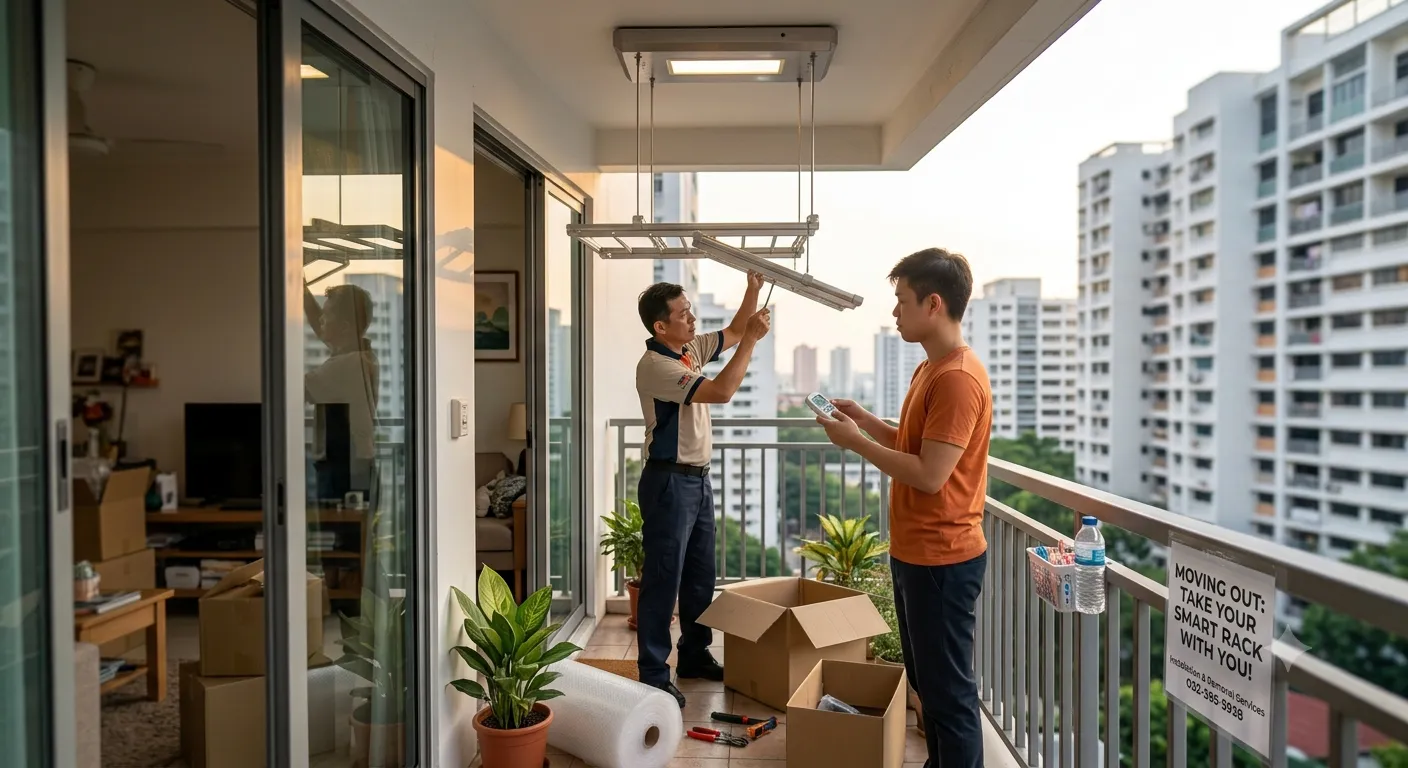

As automated laundry racks have become mainstream across HDB and condo homes in Singapore, a predictable side effect has followed: cheaper, unbranded copies flooding online marketplaces, some of them close enough in appearance to genuine branded models that buyers only discover the difference after installation, or after something fails.
The first and most reliable warning sign is the absence of any verifiable brand or model name. Legitimate manufacturers name their specific models clearly, publish detailed spec sheets, and can be found through an independent search beyond the marketplace listing itself. A listing that describes a product only as "automated laundry rack, ceiling mounted, remote control" with no brand or model attached, and no way to verify the seller beyond the marketplace profile, is the clearest red flag in the category.
Price is the second signal, though it needs careful interpretation. Genuine budget-tier models do exist at lower price points, so a lower price alone does not automatically mean counterfeit. What matters is whether the price is implausibly low relative to the specifications claimed. A listing claiming German motor components, multi-year warranty coverage, and premium fan speeds at a fraction of what every branded competitor charges for similar specs should prompt scepticism, not excitement about a bargain.
Warranty terms, or the lack of them, are often the most telling detail. Genuine branded products in this category typically carry meaningful warranty periods, often five to ten years on the motor specifically, backed by a company with a physical presence and an actual service history in Singapore. Counterfeit or grey-market listings frequently offer vague or short warranty language, or none at all beyond a generic marketplace return policy, because there is no manufacturer standing behind the product long-term.
Electrical safety certification matters more with this product category than with most home goods, because it is a motorised appliance running continuously in a damp, humid service yard environment. Products sold in Singapore should carry relevant safety marks, and a legitimate seller should be able to confirm this without hesitation. Sellers who cannot answer a direct question about certification, or who deflect the question entirely, are not sellers worth trusting with an installed electrical appliance in the home.
Installation support is another practical difference. Genuine suppliers with an established Singapore presence typically handle installation themselves or through a verified partner, and stand behind the quality of that installation as part of the purchase. Marketplace listings for unbranded copies frequently leave installation entirely to the buyer, or subcontract it to an unaffiliated handyman with no accountability if something goes wrong during fitting.
For anyone shopping in this category, the safest approach is buying directly from an established local supplier's own website or showroom rather than through a third-party marketplace listing, specifically because it removes the guesswork around authenticity, warranty, and installation accountability all at once. Companies like GoodLiving, which operate physical showrooms in Singapore and can be verified independently beyond a marketplace profile, are a materially different buying experience from an anonymous online listing, even when the surface-level product photos look similar. Buying from GoodLiving's official product range removes this guesswork entirely.
The category is genuinely useful and worth investing in, but like most popular home appliance categories, it has attracted copycats, and a small amount of due diligence before purchase avoids most of the risk.























Sign in to leave a comment.