SS 316L vs 304: Chloride Resistance, Cost and Service Life

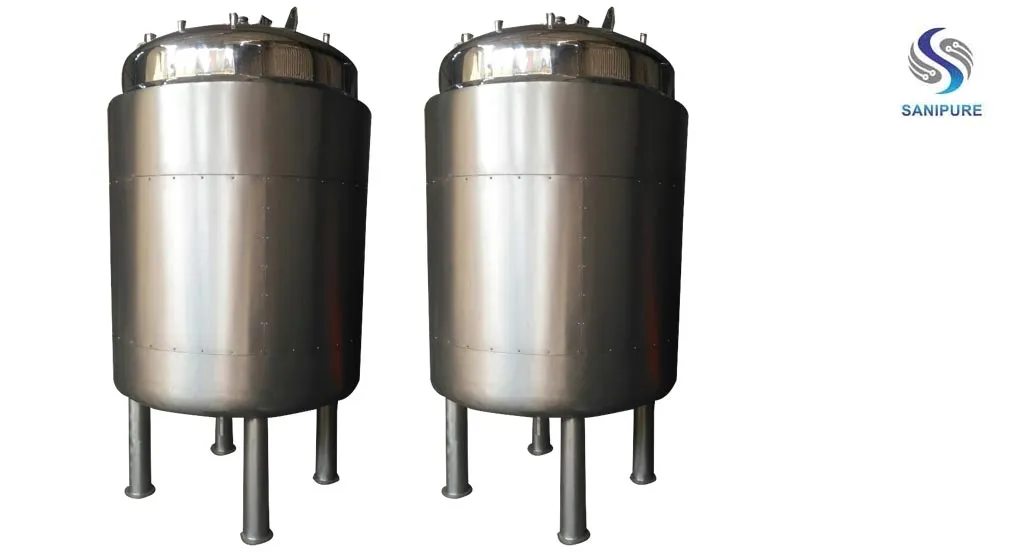
When a stainless steel tank begins showing rust spots, pitting around welds, or corrosion near liquid outlets, replacing the damaged section is rarely the only concern. Engineers must also determine whether the selected material was suitable for the process in the first place. In pharmaceutical plants, water treatment facilities, food processing units and chemical industries, one of the most important decisions is whether to specify SS 304 or SS 316L.
Both grades offer good corrosion resistance, durability and fabrication properties, but they do not perform equally in chloride-containing environments. Salt, brine, cleaning chemicals and certain process liquids can create conditions in which SS 304 develops localised corrosion sooner than SS 316L.
The difference affects more than the purchase price. Material selection influences maintenance schedules, contamination risks, equipment downtime and the total cost of ownership over the tank's operating life.
For engineers and procurement teams evaluating stainless steel equipment, the right question is not simply which grade costs less. It is which grade provides suitable corrosion resistance for the actual operating conditions without unnecessary material expenditure.
What Is the Main Difference Between SS 304 and SS 316L?
SS 304 and SS 316L are austenitic stainless steels widely used for industrial fabrication. Both contain chromium and nickel, which help form a protective passive oxide layer on the metal surface. This layer helps resist corrosion under suitable conditions.
The critical difference is that SS 316L contains molybdenum, which improves resistance to chloride-induced pitting and crevice corrosion compared with SS 304. The letter “L” indicates a low-carbon version of grade 316, generally containing no more than 0.03% carbon. This reduces the risk of sensitisation during welding and can help preserve corrosion resistance in welded equipment.
SS 304 remains a practical choice for many general-purpose applications, particularly where chloride exposure is limited. SS 316L is often preferred for more demanding environments involving saline solutions, chloride-bearing process fluids or stringent hygienic requirements.
However, neither grade is immune to corrosion. Temperature, chloride concentration, surface condition, weld quality, cleaning procedures and equipment geometry all affect performance.
SS 304 vs SS 316L - Technical Comparison Table
| Property | S04 | S316 |
| Chromium content | Typically 18-20% | Typically 16-18% |
| Nickel content | Typically 8-10.5% | Typically 10-14% |
| Molybdenum | Generally absent | Typically 2-3% |
| Maximum carbon content | 0.08% | 0.03% |
| Chloride resistance | Suitable for many mild environments | Generally better in chloride-bearing environments |
| Pitting and crevice corrosion | More susceptible under chloride exposure | Improved resistance, but not immune |
| Weld-related sensitisation | Greater consideration for some welding conditions | Lower risk due to low carbon content |
| Relative purchase cost | Usually lower | Usually higher |
| Common applications | General-purpose tanks, food equipment and water systems | Pharmaceutical equipment, chemical processing and more demanding water systems |
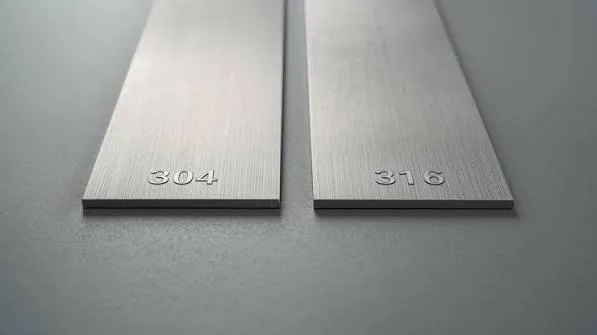
The table highlights the key engineering distinction: molybdenum improves the resistance of SS 316L to localised chloride attack, while its low carbon content makes it particularly useful for welded fabrication. The final choice still depends on the process conditions and the applicable material specification.
Why Chlorides Cause Problems in Stainless Steel
Chlorides are present in many industrial environments, including seawater, brine, certain process chemicals, cooling water and some cleaning solutions. When chlorides interact with a stainless steel surface under unfavourable conditions, they can locally damage its passive protective layer.

This can initiate pitting corrosion, which creates small cavities that may grow deeper even when the surrounding metal still looks clean. Another concern is crevice corrosion, which can develop in narrow gaps around gaskets, joints, deposits, overlapping surfaces and poorly drained areas.
The risk increases with factors such as higher chloride concentration, elevated temperature, stagnant liquid, unsuitable surface conditions and prolonged exposure.
SS 316L generally handles these conditions better because its molybdenum content improves resistance to localised attack. However, its performance depends on the complete environment, not just the grade designation.
For example, a tank handling low-chloride purified water under controlled conditions may not need the additional cost of SS 316L solely for corrosion resistance. A tank containing concentrated brine or exposed to repeated chloride-bearing cleaning cycles requires a more careful assessment.
SS 316L corrosion-proof in chloride environments?
SS 316L is more resistant than SS 304 in many chloride-bearing environments, but severe exposure can still cause pitting, crevice corrosion and, under suitable conditions, chloride stress corrosion cracking.
There is no single chloride concentration that guarantees safety for every application. Temperature, exposure duration, pH, oxygen conditions, stress and surface geometry all matter. For critical equipment, engineers should evaluate the actual operating envelope rather than rely on a generic chloride limit.
SS 316L vs 304 - How Much More Does It Cost?
SS 316L generally costs more than SS 304 because its alloy composition includes molybdenum and typically more nickel. The actual price difference varies with raw material markets, product thickness, fabrication complexity, finishing requirements, order quantity and supplier pricing.
It would be misleading to assign a universal percentage premium without a current quotation for the same specification.
When comparing tank quotations, ensure that both options use the same dimensions, plate thickness, fabrication quality, surface finish, fittings, inspection requirements and documentation. Otherwise, the apparent difference in material cost may not represent a like-for-like comparison.
The purchase price is only one part of the calculation. A lower-cost SS 304 tank may be economical where corrosion risk is low and maintenance requirements are manageable. In a more aggressive environment, SS 316L may offer better value by reducing the likelihood of premature corrosion-related repairs or replacement.
Example of total cost of ownership
Consider two tanks designed for the same process. The SS 304 option has a lower initial price, while the SS 316L option costs more. If the process contains enough chlorides to attack SS 304, the lower purchase price could be offset by inspection, cleaning, repair, production downtime and eventual replacement.
If both tanks operate for the same long period without corrosion-related problems, the SS 304 option may remain the more economical choice.
The important point is that the cost advantage of SS 316L depends on the corrosion risk it helps manage. It should not be assumed that the higher-grade material will always pay for itself, nor that SS 304 will always have a shorter service life.
Expected Service Life - Which Grade Lasts Longer?
There is no reliable universal service-life figure for either grade. A stainless steel tank can operate for many years under suitable conditions, but the grade alone cannot predict how long it will last.
A well-designed SS 304 tank in a compatible application may outlast a poorly fabricated SS 316L tank exposed to severe chlorides. Conversely, SS 316L may provide a significant advantage when both tanks face an environment that makes SS 304 vulnerable to pitting or crevice corrosion.
Several factors are especially important in determining equipment life.
Welding and fabrication: Heat tint, inadequate weld cleaning, contamination from carbon steel tools and poor joint design can compromise corrosion performance. SS 316L's low carbon content helps reduce sensitisation risk, but appropriate welding procedures and post-weld cleaning remain important.
Surface finish and drainage: Rough surfaces, stagnant liquid, deposits and crevices can increase corrosion risk. Hygienic equipment should be designed to minimise liquid retention and facilitate effective cleaning.
Operating and cleaning conditions: Chloride exposure, chemical concentration, temperature and cleaning frequency should be assessed together. A material suitable for the process liquid may not necessarily withstand every cleaning or sanitisation chemical used in the plant.
Inspection and maintenance: Periodic inspection can identify early signs of pitting, damaged surfaces, leaks and corrosion near welds or connections. Maintenance should follow the equipment's risk profile and operating requirements.
For hygienic applications, the tank's internal finish, weld integrity, drainability and cleanability are as important as the grade itself.
Which Grade Should You Choose for Your Application?
Choose SS 304 when conditions are compatible
SS 304 is often appropriate for general-purpose storage, food processing equipment and water-related applications where chloride exposure is controlled and the required hygiene and operating specifications can be met. It offers a practical balance of corrosion resistance, fabrication flexibility and initial cost.
Consider SS 316L for demanding conditions
SS 316L is often preferred for pharmaceutical process equipment, chloride-bearing liquids, saline environments and applications where welded hygienic construction is important. It offers improved resistance to localised chloride corrosion, subject to the actual operating conditions.
Before finalising the grade, document the liquid composition, maximum operating temperature, cleaning chemicals, chloride concentration, expected exposure time, required surface finish and any regulatory or project specifications.
For specialised chemical service, highly concentrated brines or elevated temperatures, a corrosion engineer may need to assess whether either grade is adequate. More resistant alloys or alternative materials may be necessary in particularly aggressive environments.
What about pharmaceutical and purified-water tanks?
Pharmaceutical equipment selection involves more than corrosion resistance. Product-contact compatibility, cleanability, weld quality, surface finish, drainage, passivation requirements and validation documentation may all influence the specification.
SS 316L is commonly specified for demanding hygienic process equipment, but it should not be treated as an automatic requirement for every tank. The appropriate grade must meet the process design and applicable project standards.
Explore Sanipure Systems' stainless steel tanks to review tank solutions and discuss material selection for your application.
How to Reduce Corrosion Risk Regardless of Grade
Even the correct stainless steel grade can suffer premature corrosion if equipment is designed, fabricated or maintained poorly. Material selection should therefore be part of a broader corrosion-control strategy.
Start by confirming the grade through material test certificates where required. Ensure that welding procedures are suitable for the selected alloy, and remove heat tint and fabrication contamination using appropriate methods. Passivation may help restore the passive surface after fabrication, but it cannot compensate for an unsuitable material or eliminate every corrosion risk.
Tank geometry also matters. Avoid unnecessary crevices, ensure suitable drainage and use compatible gaskets and fittings. Cleaning procedures should be validated for the materials and operating conditions, particularly where chloride-bearing chemicals are involved.
Where chloride exposure is a major concern, consult a corrosion specialist to review the process conditions and determine the most suitable material. This assessment can help avoid both premature equipment failure and unnecessary expenditure on higher-alloy materials.
Conclusion
SS 304 remains a cost-effective material for many general-purpose industrial and hygienic applications. SS 316L offers an important advantage where chloride-induced pitting and crevice corrosion are credible risks, while its low carbon content is beneficial for welded fabrication.
Neither grade has a guaranteed service life, and neither should be selected using purchase price alone. The best decision considers the actual process liquid, temperature, cleaning regime, fabrication quality, maintenance requirements and cost of potential downtime.
For equipment exposed to challenging chloride conditions, the additional cost of SS 316L may be justified by its improved corrosion resistance. For less aggressive service, SS 304 may deliver the required performance at a lower initial cost.




Sign in to leave a comment.