
Introduction
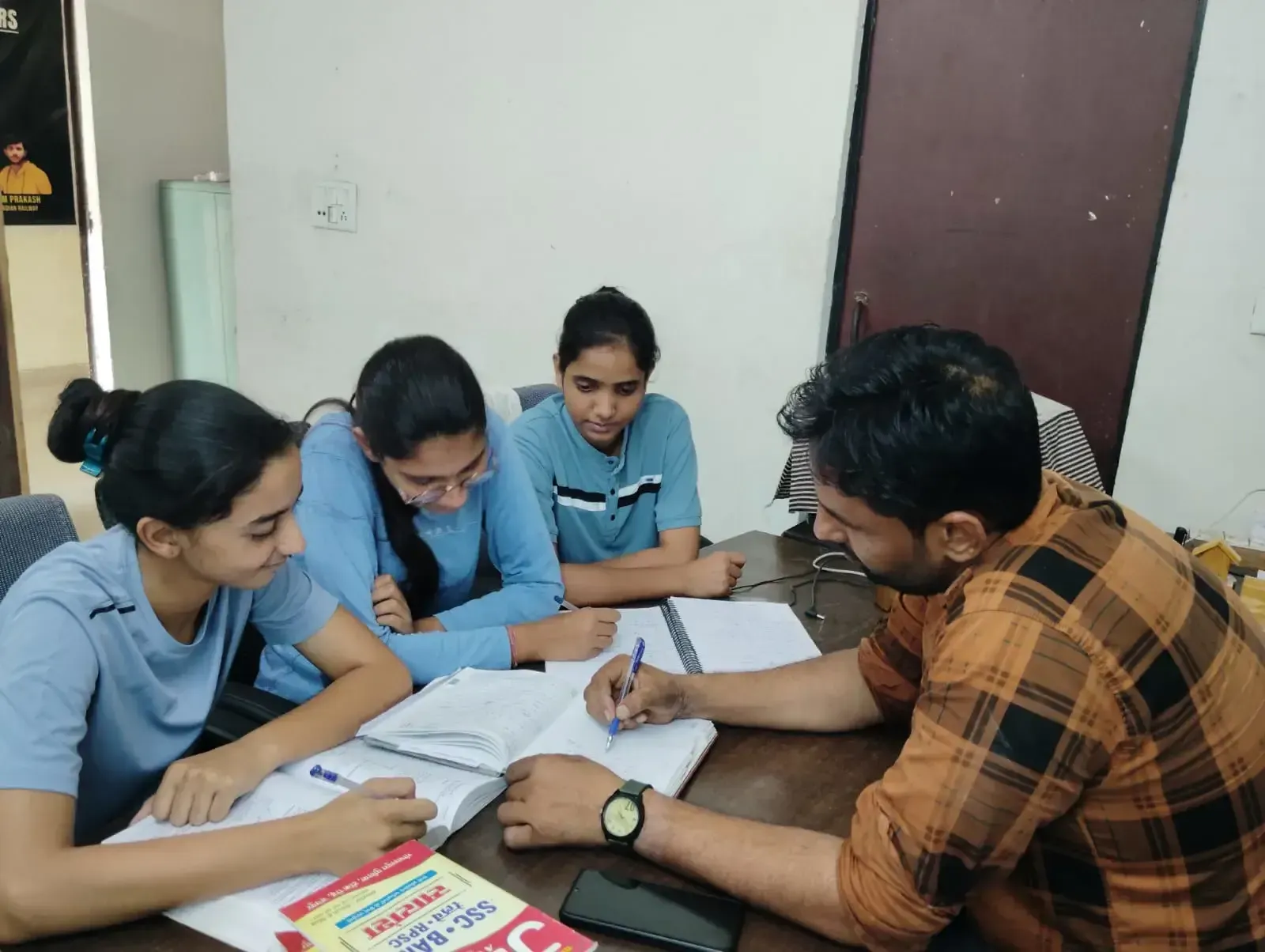
SSC Previous Year Question Papers are among the most useful resources for candidates preparing for Staff Selection Commission examinations. Whether you are preparing for SSC CGL, CHSL, MTS, GD, CPO, or another SSC exam, solving previous year papers helps you understand the actual examination pattern, question difficulty, important topics, and time-management requirements.
Rather than depending only on books and mock tests, candidates should regularly practice questions asked in previous SSC examinations. These papers provide a realistic idea of what to expect in the actual exam and help identify frequently repeated concepts.
Why Solve SSC Previous Year Question Papers?
1. Understand the Exam Pattern
Previous year papers help candidates become familiar with the structure of the examination, including the number of questions, sections, marks, and types of questions commonly asked.
2. Identify Important Topics
By analyzing multiple years of papers, students can identify topics that appear frequently. This allows them to prioritize high-weightage areas during preparation.
3. Improve Time Management
SSC examinations are generally time-bound. Practicing complete papers helps candidates learn how to distribute time between different sections and avoid spending too long on difficult questions.
4. Improve Accuracy and Speed
Regular practice helps candidates recognize common question patterns and solve familiar concepts more quickly. Reviewing mistakes also helps improve accuracy.
5. Analyze Your Preparation
Previous year papers can be used as self-assessment tools. After completing a paper, candidates can check their scores, identify weak subjects, and modify their study strategy accordingly.
How to Use SSC Previous Year Papers Effectively
Start by solving papers according to your target SSC examination. Initially, solve them without focusing too much on speed. Understand the questions and analyze every mistake.
Once you become comfortable, attempt the papers under actual exam conditions by setting a timer. After completing the paper, check your answers and maintain a record of incorrect and unattempted questions.
Pay special attention to questions where you made conceptual mistakes. Revisiting these topics can significantly improve your performance.
Subjects to Practice
Depending on the SSC examination, previous year papers generally provide practice in areas such as General Intelligence and Reasoning, Quantitative Aptitude, English Language, and General Awareness. Candidates should practice each section regularly instead of concentrating only on their strongest subject.
Conclusion
SSC Previous Year Question Papers are an essential part of effective SSC exam preparation. They help candidates understand the exam pattern, identify important topics, improve speed and accuracy, and evaluate their overall preparation. For the best results, combine previous year papers with conceptual study, revision, mock tests, and regular analysis. Consistent practice can make you more confident and better prepared for the actual SSC examination.
FAQs
1. Why are SSC Previous Year Question Papers important?
They help candidates understand the exam pattern, difficulty level, frequently asked topics, and question styles while improving speed and accuracy.
2. How many years of SSC previous papers should I solve?
Candidates should ideally practice several years of papers, especially papers from recent examination cycles, while giving additional attention to the latest pattern.
3. Should I solve SSC previous year papers before completing the syllabus?
Yes. You can solve individual topic-wise questions while studying and attempt complete papers after covering the major portions of the syllabus.
4. Can previous year papers improve my SSC score?
Yes. Consistent practice, detailed analysis of mistakes, and revision of weak topics can improve both accuracy and exam-taking speed.
5. Should I solve previous year papers in a timed manner?
Yes. Once you understand the basics, solving papers with a timer is an excellent way to develop time-management skills and simulate real exam conditions.































Sign in to leave a comment.