Stainless Steel 904L Plates: Why Industries Choose This High-Performance Alloy

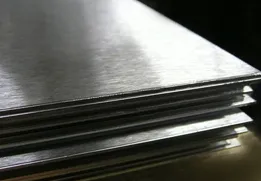
A strong selection of stainless steel materials can be a highly impactful way of supporting the lifespan of equipment, particularly within aggressive environments. For many applications, regular stainless steel will perform in terms of resistance to acids, other chemical reactions, and chloride environments. Yet the inclusion of stainless steel 904L plates within the right industrial applications can offer notable benefits in terms of material performance and cost.
An Overview of Stainless Steel 904L Plates
Stainless steel 904L plate belongs to a low-carbon, high-alloy family of austenitic stainless steels, which contain major amounts of nickel, chromium, molybdenum, and copper, providing it with improved resistance to a variety of corrosive environments compared to the common grades such as 304 and, in some cases, 316L.
The copper improves resistance to certain reducing acids, notably sulfuric acid, and molybdenum contributes to the resistance to pitting and crevice corrosion. Lower carbon reduces the risk of sensitization from welding when using suitable procedures.
Nevertheless, stainless steel 904L is not totally resistant to corrosion. The exact behavior is highly dependent on the chemical concentration, temperature, or other environmental conditions of the service.
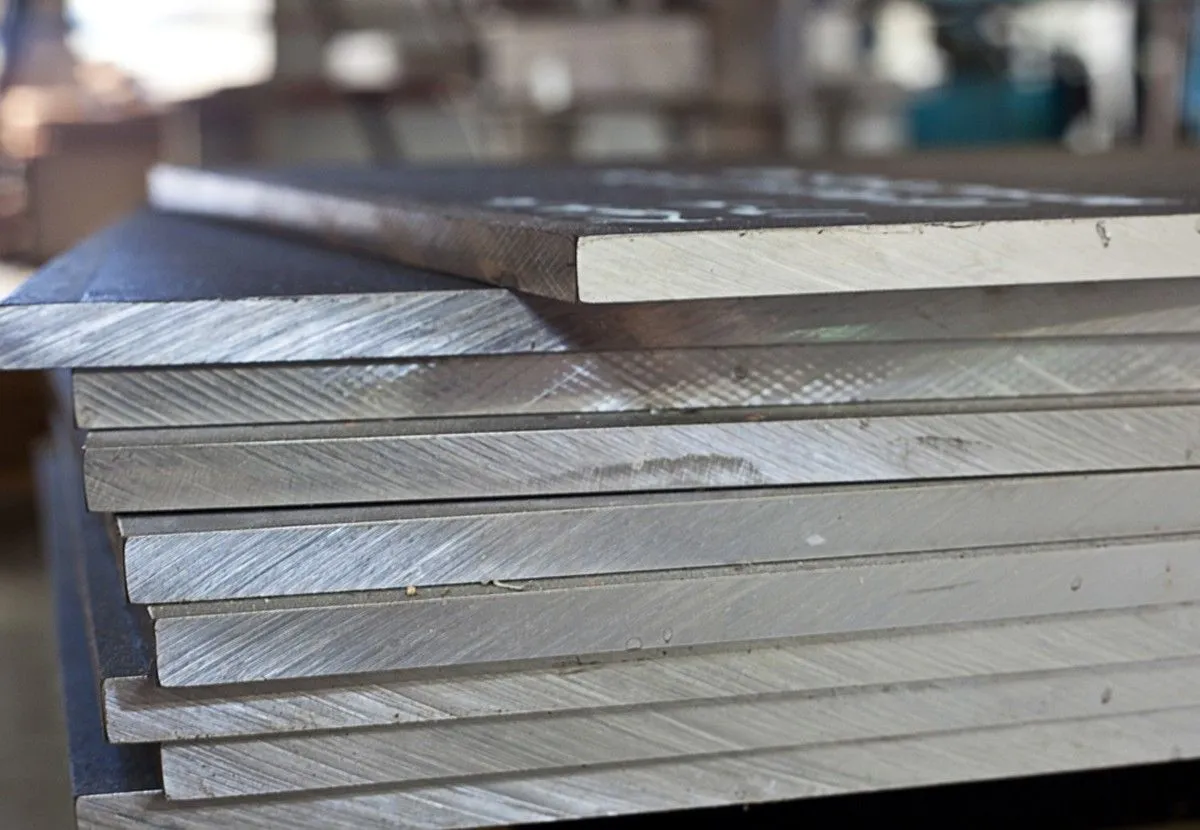
The Benefits of Stainless Steel 904L Plates
1. Excellent Corrosion Performance
Stainless steel 904L plates find many applications in the industry due to their corrosion resistance. They are mainly used in processing industries that involve sulfuric acid and other aggressive chemicals and materials at specified conditions of temperature.
2. Better Resistance to Pitting
There is a wide range of mechanisms of a pitting nature that can arise during the service life of alloy components and cause highly localized metal loss due to breakdowns in the passive layer. This corrosion form could result in some instances of deep penetration of the metal surface. Therefore, the presence of chromium and molybdenum in stainless steel 904L provides it with resistance to pitting corrosion at certain concentrations of chloride and other environments.
3. Excellent Service Life
In terms of processing, stainless steel 904L plates are often exposed to a variety of conditions. Hence, choosing an appropriate material with high resistance can provide the manufacturer with a significant improvement in operational time before replacement, reducing costs and failures due to degradation mechanisms.
4. Suitable Fabrication Capabilities for Process Equipment
Stainless steel 904L plates can be fabricated in various ways, depending on design, using processes established by industrial practices for specific applications. These processes normally entail particular forming considerations and machining capabilities for plates with a significant amount of alloy content, as in the case of SS 904L. This should be supported by the selection of appropriate welds and parameters to ensure the integrity of the resulting fabricated products with respect to corrosion resistance.
General Applications for Stainless Steel 904L Plates
Due to the variety of benefits regarding the corrosion resistance of stainless steel 904L, it can be applied in various industrial areas.
Chemical Processing
Used in selected tanks, reactors, process vessels, and equipment exposed to chemicals.
Pharmaceutical Industry
Selected equipment and fabrications in environments where corrosion resistance is needed, together with specific surface finishes.
Oil and Gas
Certain selected equipment and process vessels exposed to certain conditions where the level of material’s corrosion resistance is vital.
Forest Products
Selected fabrications or equipment in process applications with corrosive chemicals.
Pollution Control
In scrubbers and equipment exposed to corrosive gases and liquids.
It is paramount to select an appropriate grade according to the actual service environment rather than general recommendations.
Considerations When Buying Stainless Steel 904L Plates
Prior to making any purchases of stainless steel 904L plates, it is essential that buyers review a number of specific stipulations.
Thickness and Dimensions
It is needed to double-check the exact material thickness and dimensions with tolerances as specified by the fabrication drawings.
Composition and Properties
A mill testing certificate will help confirm that the material’s chemistry and properties adhere to the specified standard. Ensure that the plates meet one of the material specifications in relation to applicable standards such as ASTM A240, if it is relevant.
Material Surface Finish
Decide on the most appropriate finish that is suitable for each plate depending on the required use, whether it is an engineered fabrication, process application, or another purpose.
Supplier and Traceability
Traceability and other relevant material data, including availability and associated documentation, should also be discussed. It is needed to ensure that the selected seller provides the right specifications.
Overall Cost
It is crucial that, prior to making a purchase decision, the buyer ensures that they consider the full cost of any acquired material, considering the effects related to fabrication, service life, and maintenance, along with the initial material cost.
When looking to purchase stainless steel 904L plates, it is essential to assess a range of materials with regard to the specific industry application and find the most appropriate buying option for the intended material use.
The Role of a Reliable Supplier in Material Purchases
Despite its many benefits, an improper grade, dimensions, or certificates can lead to significant malfunctions on the operational side of any given application. Hence, it is essential to ensure that the selected supplier is able to supply the necessary materials with regard to specified standards for any intended use.
Nickel Alloy Plate Hub offers a wide range of materials related to stainless steel and nickel alloys. Prior to finalizing any purchase decision, it is needed to collaborate with the seller to identify, based on materials, application, and required documentation, whether the acquired product matches the intended purpose.
Frequently Asked Questions
1. What Is Stainless Steel 904L Mainly Used For?
Stainless steel 904L is typically used for certain chemical processing applications, storage tanks, heat exchangers, and similar equipment where the level of corrosion resistance should be high.
2. Is 904L Superior to 316L Stainless Steel?
While stainless steel 904L shows higher resistance to several acidic environments, as well as to certain chloride-induced corrosion, the overall application should be the dictating factor in choosing between the options.
3. Can Stainless Steel 904L Plates Be Welded?
Welding processes and filler metals are generally compatible with plates of stainless steel 904L, provided that appropriate procedures are used to ensure joint integrity and corrosion performance.
4. What Factors Should Be Considered When Purchasing 904L Plates?
Before making any purchase, it is essential that the consumer reviews the needed dimensions and materials per the required application with the help of an appropriate seller, ensuring that the intended material adheres to the necessary specifications and standards.



Sign in to leave a comment.