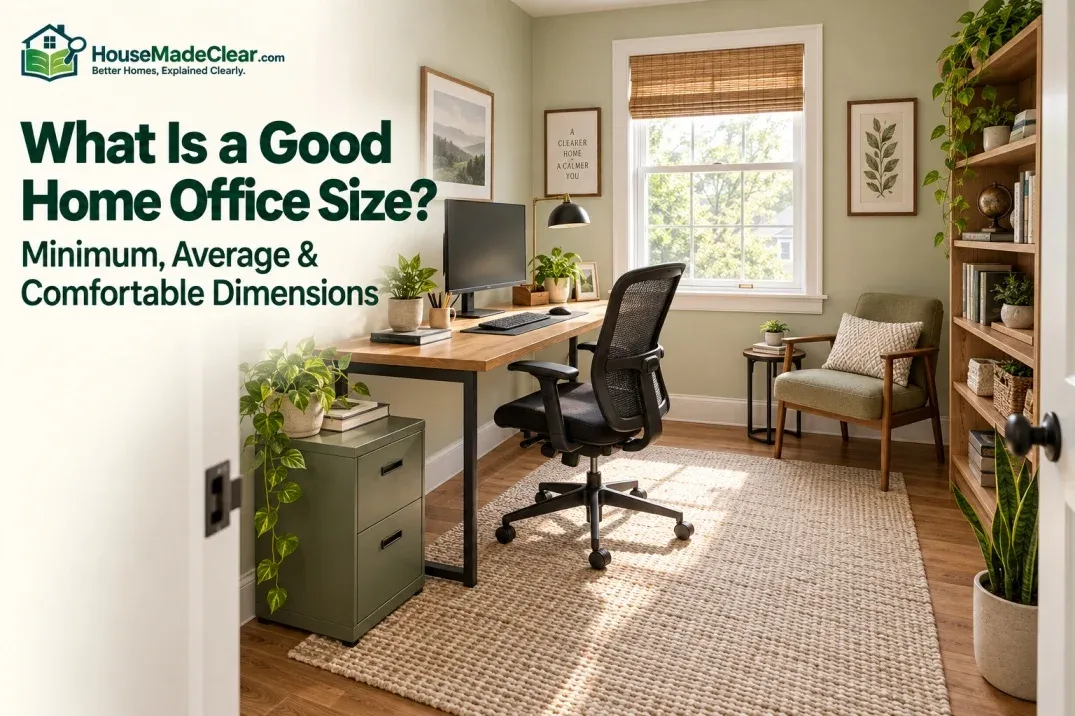

Accurate measurements are essential before buying any filing cabinet. Even a small difference between the available space and the cabinet's exterior size can create installation or accessibility problems. The measurement process should include the location where the cabinet will sit, the space required to open its drawers, and the route through which the furniture will be moved. When checking standard file cabinet dimensions, start by measuring the width of the available wall or floor area. Record the measurement at several points if the wall or surrounding furniture is uneven. Next, measure the available depth from the wall to the nearest desk, walkway, door, or other obstruction. This is particularly important because a cabinet may fit within the nominal depth of a room but interfere with movement when its drawers are opened.

Height should be measured from the floor to the lowest obstruction above the intended location. This could include a window sill, shelf, wall cabinet, ceiling feature, or other furniture. If the cabinet will be positioned under a desk or counter, measure the clearance beneath the surface rather than assuming the cabinet will fit. Drawer clearance should then be considered. The front of a filing cabinet needs enough open space for the drawer to extend fully and for the user to stand in front of it. This operating area is separate from the cabinet's closed dimensions. For a narrow office, failure to account for drawer clearance can make a cabinet difficult or impossible to use. Doorways and hallways should also be measured if the cabinet will be delivered assembled. Check the width and height of the doorway, the turning radius of the hallway, and any stairs or elevator entrances along the route. Packaging can add several inches to the overall delivery size. Internal measurements are equally valuable when documents are the primary concern. Measure the actual folders or documents that will be stored and compare them with the manufacturer's stated drawer capacity. A cabinet designed for letter-size folders may not be appropriate for legal-size records, and a cabinet intended for one orientation may not accommodate another. Users should also consider expansion. If the cabinet is filled completely on the first day, it may become difficult to add new records later. Leaving some available space makes ongoing organization easier. When measuring an existing cabinet for replacement, record the outside width, depth, and height as well as the internal drawer dimensions. This helps identify whether the replacement will provide comparable capacity. For workplace planning, measurements can be marked directly on the floor with removable tape to visualize the cabinet's footprint and drawer-opening area. This simple method can reveal conflicts with chairs, desks, doors, and walkways before furniture is purchased. Careful measurement turns cabinet selection from guesswork into a straightforward planning exercise. By recording exterior dimensions, internal filing space, operating clearance, and delivery access, buyers can choose a cabinet that fits both the room and the documents it is intended to organize.





























Sign in to leave a comment.