Steel Base Plate Price Guide: Sizes, Thicknesses, Grades, and More

When planning a construction, engineering, or fabrication project, understanding the steel base plate price is important for managing material costs and selecting the right product. Steel base plates are widely used to provide stable support, distribute loads, and create secure connections between structural components and foundations.
However, the price of a steel base plate can vary considerably depending on its dimensions, thickness, steel grade, finish, fabrication requirements, and quantity. Knowing these factors can help buyers make informed decisions without compromising performance or project requirements.
What Is a Steel Base Plate?
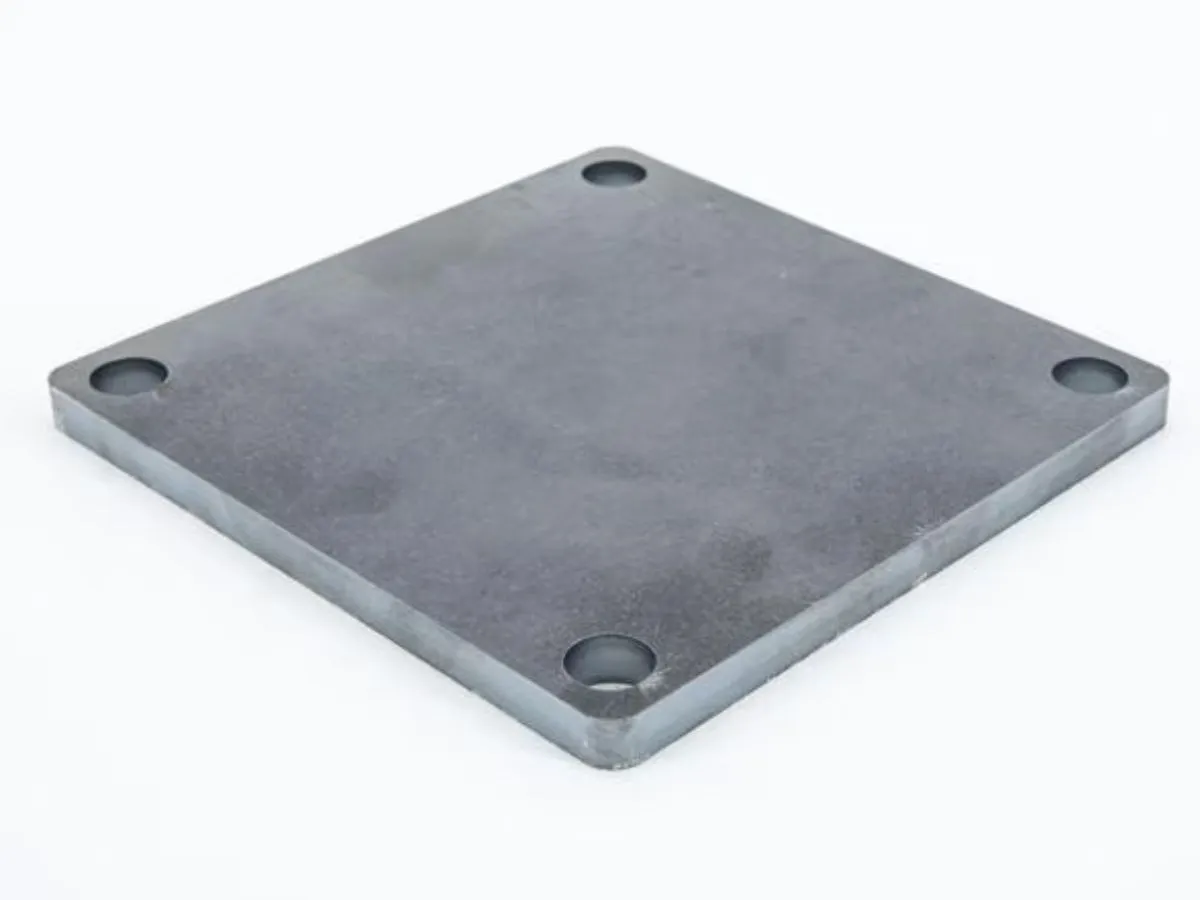
A steel base plate is a flat piece of steel used as a supporting or connecting component in structural and industrial applications. It can be positioned beneath steel columns, posts, machinery, frames, or other structural elements to distribute loads over a larger surface area.
Base plates can be manufactured in standard dimensions or produced to specific project requirements. Depending on the application, they may also include drilled holes, slots, welded components, or other modifications.
Because every project has different load and installation requirements, choosing a base plate based only on price may not be the best approach. Size, thickness, grade, and fabrication specifications should all be considered.
Factors That Affect Steel Base Plate Price
Several factors contribute to the final steel base plate price. Understanding them makes it easier to compare products and estimate the overall material budget.
1. Plate Size
The dimensions of a base plate directly affect the amount of steel required for manufacturing. Larger plates generally require more raw material, which can increase the overall cost.
For example, a compact plate for a small post may require considerably less material than a large plate designed to support a structural column or heavy equipment.
2. Thickness
Thickness is another major pricing factor. Thicker plates contain more steel and are generally designed for applications involving greater loads or demanding structural requirements.
Common project specifications may call for different thicknesses depending on the intended use. Selecting a plate that is unnecessarily thick can increase costs, while choosing one that is too thin may not provide adequate structural performance.
3. Steel Grade
The grade of steel can also influence pricing. Different grades offer different combinations of strength, durability, weldability, and other characteristics.
For structural applications, the appropriate grade should be selected according to engineering requirements rather than price alone. A suitable grade can help ensure that the base plate performs reliably under the expected loading conditions.
4. Cutting and Fabrication
A standard rectangular plate usually requires less processing than a custom-fabricated component. If your base plate requires precision cutting, rounded corners, slots, drilled holes, or other modifications, fabrication costs can increase the final price.
Custom fabrication can nevertheless provide better value when it eliminates additional work during installation.
5. Surface Treatment
Depending on the environment, a steel base plate may require additional surface treatment. Options can include painting, galvanising, powder coating, or other protective finishes.
These treatments can add to the initial purchase price but may provide additional protection against corrosion and environmental exposure.
6. Quantity Ordered
Order volume can also influence the cost per plate. Larger orders may provide better pricing because manufacturing, cutting, and handling processes can be distributed across multiple units.
For projects requiring numerous identical base plates, it can therefore be worthwhile to request a quantity-based quotation.
Choosing the Right Base Plate Size
Selecting the appropriate size is not simply about finding the largest or cheapest option. The base plate should be suitable for the structural component it supports and the foundation or surface beneath it.
Consider factors such as:
- Load requirements
- Column or post dimensions
- Bolt-hole positioning
- Available installation space
- Foundation dimensions
- Plate thickness
- Steel grade
- Environmental conditions
For structural applications, engineering specifications should be followed carefully. Where necessary, a qualified engineer should determine the appropriate dimensions and thickness.
Standard vs Custom Steel Base Plates
Standard steel base plates can be a practical choice when the required dimensions and specifications are readily available. They may help reduce lead times and fabrication costs.
Custom base plates, on the other hand, are useful when a project requires specific dimensions, hole patterns, thicknesses, or shapes. Although customisation can increase the initial price, it may reduce on-site modifications and simplify installation.
For this reason, the cheapest plate is not always the most cost-effective option. The total project cost should include material, fabrication, transportation, preparation, and installation requirements.
How to Get Better Value When Buying Steel Base Plates
If you are comparing steel base plate price, consider the complete specification rather than comparing prices alone.
Start by identifying the required dimensions, thickness, steel grade, quantity, and fabrication requirements. Providing accurate specifications to a steel supplier can make quotations more precise and reduce the risk of ordering an unsuitable product.
It is also useful to compare suppliers based on material quality, fabrication capabilities, availability, delivery options, and customer support. A slightly higher upfront price may provide better overall value if the product meets project specifications accurately and requires less additional work.
Steel Base Plates from Ezy Steel
Ezy Steel provides steel products and fabrication solutions for a range of construction, engineering, and industrial requirements. When sourcing steel base plates, customers can consider factors such as dimensions, thickness, material specifications, and custom fabrication needs to find an option suited to their project.
Whether you require a standard plate or a customized solution, providing accurate project specifications is the best way to receive a suitable quotation and understand the expected steel base plate price.
Final Thoughts
The steel base plate price depends on much more than the amount of steel used. Dimensions, thickness, grade, fabrication, surface treatment, quantity, and delivery requirements can all affect the final cost.
Before purchasing, define your project requirements and compare quotations based on both price and specifications. Choosing the right base plate can help support structural performance, simplify installation, and provide better long-term value.
With the right specifications and a reliable supplier such as Ezy Steel, you can source steel base plates that align with your project's practical and budget requirements.







Sign in to leave a comment.