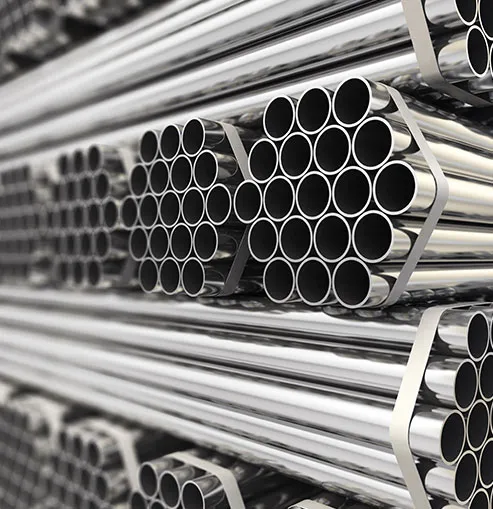

Steel is widely used in manufacturing, construction, automotive production, and industrial machinery because of its strength, durability, and versatility. However, exposure to moisture, oxygen, chemicals, and harsh environmental conditions can cause steel to rust. Without proper protection, corrosion can weaken metal components, affect product quality, and increase maintenance costs.
Steel rust protection is essential for maintaining the performance and service life of metal surfaces. By choosing suitable rust preventive products and following effective maintenance practices, businesses can reduce corrosion risks and protect valuable steel components.
What Causes Rust on Steel?
Rust develops when iron in steel reacts with oxygen and moisture. This process gradually forms iron oxides that can damage the metal surface. Several factors can accelerate rust formation, including high humidity, rainwater, salt exposure, chemical contamination, and improper storage.
Industrial steel components may be particularly vulnerable during manufacturing, transportation, and storage. Therefore, implementing appropriate corrosion prevention measures is important for maintaining their quality and reliability.
Effective Methods for Steel Rust Protection
1. Apply Rust Preventive Oils
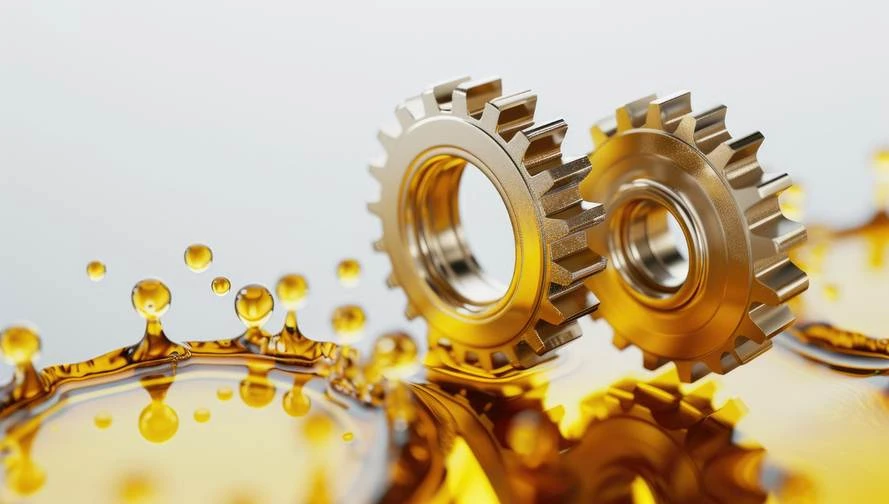
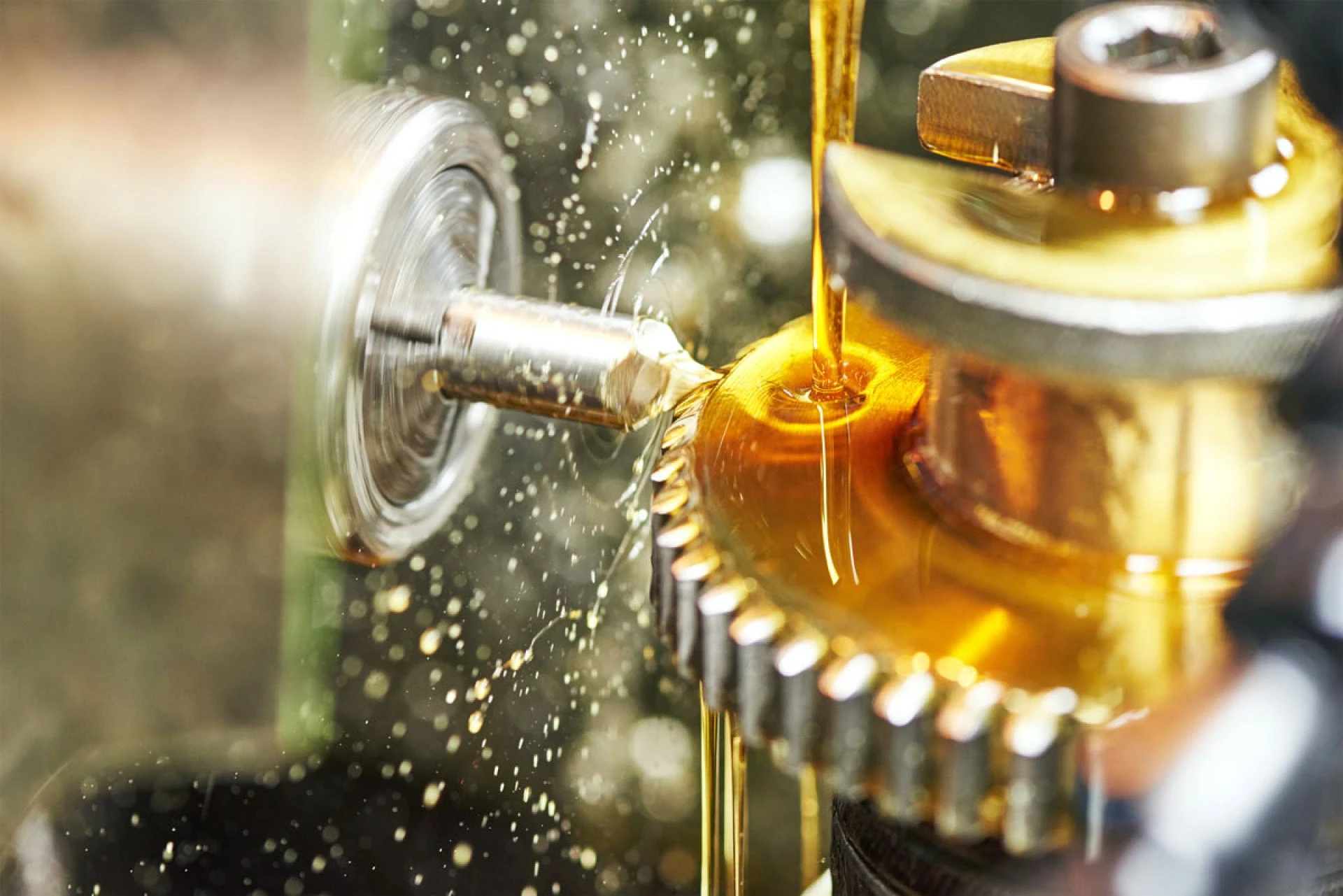
Rust preventive oils create a protective film on metal surfaces that helps limit contact with moisture and other corrosive elements. They are commonly used to protect steel components during storage, transportation, and industrial operations.
The appropriate oil depends on the required protection period, operating environment, and whether the component needs to be cleaned before further processing.
2. Use Water-Based Rust Preventives
Water based rust preventive products provide another option for protecting steel components in industrial applications. Depending on their formulation, they can offer temporary corrosion protection while supporting specific cleaning and processing requirements.
These products may be suitable for applications where ease of handling and compatibility with subsequent manufacturing steps are important. Always follow the manufacturer's instructions for application and storage.
3. Keep Steel Surfaces Clean and Dry
Dirt, salts, moisture, and processing residues can contribute to corrosion. Regular cleaning helps remove these contaminants and prepares steel surfaces for protective treatments.
After cleaning, dry the components thoroughly when required and apply a compatible protective product to reduce the risk of rust formation.
4. Use Protective Coatings
Paints, specialized coatings, and other suitable surface treatments can create a barrier between steel and its surrounding environment. The correct coating depends on the intended application, exposure conditions, and required service life.
Proper surface preparation is essential because dirt, grease, and existing corrosion can affect coating performance.
5. Improve Storage and Handling Practices
Steel components should be stored in suitable conditions to reduce exposure to humidity and condensation. Keep materials away from standing water and corrosive substances. Use clean handling equipment to prevent contamination, and inspect stored components regularly for early signs of rust.
Benefits of Proper Steel Rust Protection
A suitable corrosion prevention strategy offers several advantages for industrial operations:
- Reduced corrosion risk: Protective treatments help limit exposure to moisture and corrosive contaminants.
- Longer component service life: Effective maintenance can help preserve steel surfaces and usability.
- Improved product quality: Clean and protected components are less likely to develop unwanted rust stains during storage.
- Lower maintenance requirements: Preventive measures can reduce the need for repeated cleaning and rust removal.
- Better storage protection: Appropriate rust preventives help protect metal components during handling and transportation.
Actual results depend on the product formulation, surface preparation, environmental conditions, and application method.
Choosing the Right Steel Rust Protection Solution
Selecting a suitable rust protection product requires an understanding of the metal type, operating environment, storage duration, and manufacturing process. Some applications require short-term protection, while others need more durable coatings or specialized corrosion control systems.
Businesses should consider product compatibility, application requirements, removal methods, and environmental conditions before choosing a solution. Following technical guidelines and conducting application-specific testing can help achieve reliable results.
Zavenir Daubert specializes in industrial metalworking and corrosion protection solutions designed for various manufacturing requirements. By selecting appropriate products and following recommended application procedures, businesses can support effective steel maintenance and corrosion control.
Visit https://www.zavenir.com/ to explore metalworking and corrosion protection solutions from Zavenir Daubert.
Conclusion
Steel rust protection plays an important role in maintaining metal quality, reducing corrosion-related problems, and extending the service life of industrial components. Rust preventive oils, water-based protective products, suitable coatings, regular cleaning, and proper storage practices can all contribute to effective corrosion management.
By understanding the causes of rust and choosing the right protection method, businesses can keep steel components in better condition and support more reliable industrial operations.



















Sign in to leave a comment.