

For an NDIS provider, a website is more than an online brochure. It can help potential participants understand your services, build confidence in your organisation and make it easier for people to contact you.
However, creating a high-performing website requires more than choosing a template and adding a few service pages. Your website needs to be accessible, easy to navigate, mobile-friendly, informative and designed around the people who will actually use it.
Here is a practical step-by-step guide to building an effective NDIS website in Australia.
Step 1: Define Your Website Goals
Before choosing colours, layouts or images, decide what you want your website to achieve.
Your goals might include generating enquiries, explaining your services, supporting referrals or helping visitors quickly find important information.
Having clear goals makes it easier to decide what pages and features your website actually needs.
Step 2: Understand Your Audience
Think about who may visit your website. This could include NDIS participants, families, carers, support coordinators and other referral sources.
Each visitor may be looking for different information. Some may want to understand your services, while others may want to know where you operate or how to get started.
Use straightforward language and organise information so visitors do not have to search through multiple pages to find an answer.
Step 3: Plan the Website Structure
A simple structure usually creates a better user experience.
Important pages may include:
- Home
- About Us
- Services
- Service Locations
- NDIS Information
- Contact
- FAQs
Depending on your organisation, you may also need individual pages for specific services or locations.
Keep your navigation predictable and make important contact options easy to find.
Step 4: Focus on Accessibility
Accessibility should be considered from the beginning rather than added at the end.
Use readable fonts, sufficient colour contrast, descriptive headings, meaningful link text and alternative text for relevant images. Forms should also be straightforward to complete using different devices and assistive technologies.
A strong NDIS website design should make information easier for a wide range of visitors to access and understand.
Step 5: Make It Mobile-Friendly
Many people will visit your website from a smartphone. A page that looks good on a desktop can still create problems on a smaller screen.
Test menus, buttons, forms, text size and images across different screen sizes. Visitors should be able to call, enquire or find essential information without constantly zooming or scrolling sideways.
Step 6: Create Useful Service Content
Avoid filling service pages with vague marketing statements.
Explain what each service involves, who it may be suitable for, where it is available and what the next step is for someone interested in learning more.
Clear, useful content can help visitors understand your organisation before they make contact.
Step 7: Build Trust
People may want reassurance before contacting a provider.
Include genuine information about your organisation, your team, experience, service approach and areas you support. Testimonials or reviews can also be useful where they are genuine and appropriately presented.
Keep your claims accurate and avoid promising outcomes that cannot be guaranteed.
Step 8: Make Enquiries Easy
Once someone decides to contact you, don't make the process complicated.
Include clear calls to action such as “Contact Us”, “Make an Enquiry” or “Request a Call”. Your phone number, email address and enquiry form should be easy to locate.
A well-designed website should guide visitors naturally from finding information to taking the next step.
Step 9: Consider Search Visibility
A high-performing website also needs to be discoverable.
Create useful pages around the services and locations you genuinely provide. Use descriptive page titles, logical headings, relevant internal links and helpful content that answers real search questions.
Technical performance also matters. Fast loading pages, mobile usability and a clear website structure can contribute to a better overall experience.
For providers competing for online visibility, professional NDIS SEO services can complement a well-planned website.
Step 10: Test Before Launch
Before publishing your website, check every important element.
Test navigation, contact forms, phone links, page speed, spelling, images and mobile layouts. Check that important pages can be reached easily and that visitors always know what to do next.
It is also useful to have someone unfamiliar with the website try to complete common tasks, such as finding a service or submitting an enquiry.
Step 11: Keep Improving After Launch
Launching the website is not the final step.
Monitor which pages receive visits, which search queries bring people to your site and where enquiries are coming from. Update outdated information and improve pages that visitors may be struggling to use.
A website can become more effective over time when improvements are based on real user behaviour rather than assumptions.
Final Thoughts
Building a high-performing NDIS website in Australia starts with understanding your audience and creating an experience that is clear, accessible and easy to use.
From planning the structure and writing useful service content to improving mobile performance and search visibility, every part of the website should have a purpose.
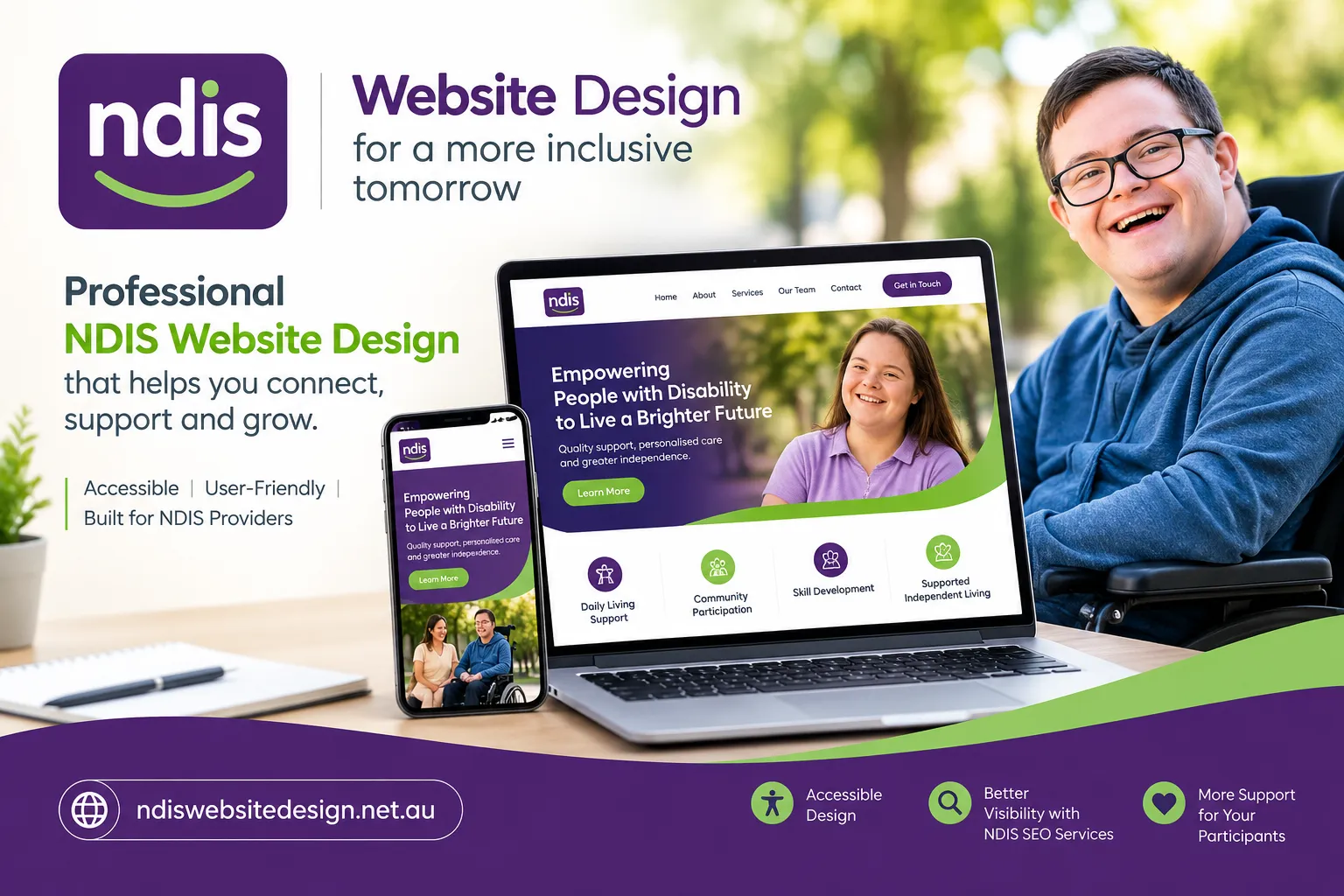
Professional NDIS website design can bring these elements together into a website that not only looks professional but also helps visitors find information, build confidence and take the next step

























Sign in to leave a comment.