
Detergent powder manufacturing may look straightforward from the outside, but behind every scoop of washing powder lies a carefully choreographed sequence of industrial processes. MeiBao's production line brings these processes together into a smooth, continuous flow that transforms raw ingredients into finished, packaged products ready for store shelves. Walking through each stage reveals how thoughtful engineering turns a complex chemical operation into a manageable, efficient system. For anyone curious about what happens inside a modern detergent factory, this journey through the MeiBao line offers a clear picture.
Feeding and Pre-Treatment of Raw Materials
Every batch of detergent begins with raw materials such as sodium carbonate, sodium silicate, surfactants, builders, and various additives. These ingredients arrive in different forms, some as fine powders, others as liquids or pastes. The MeiBao line starts its work at the feeding stage, where screw conveyors and pneumatic systems transport solid materials into holding hoppers. Liquid components are stored in heated tanks to maintain proper viscosity. Before entering the main process, materials pass through pre-treatment steps that may include sieving to remove lumps and impurities, as well as preheating to prepare them for efficient blending. This careful preparation sets the foundation for consistent results downstream.
Precise Dosing and Proportioning of Ingredients
Getting the recipe right is everything in detergent production, and even small deviations can affect cleaning performance, texture, or shelf life. MeiBao's line employs calibrated dosing systems that measure each ingredient according to the formula programmed into the control system. Load cells, volumetric feeders, and flow meters work in concert to deliver exact quantities at the right moments. The automation ensures that a batch destined to become a popular brand's signature powder contains precisely the same proportions every single time. Operators can switch between formulas quickly through the control interface, making it easy to produce different product variants on the same line without extensive manual recalibration.
The Mixing and Agglomeration Stage
Once dosed, the ingredients move into mixing equipment where the real transformation begins. High-speed mixers blend the dry components while liquid binders and surfactants are sprayed in controlled amounts. This stage is where agglomeration occurs, meaning fine particles cluster together to form larger, more uniform granules. The MeiBao line uses specialized agglomerators that promote even growth of these granules, resulting in powder that flows freely and dissolves readily in water. Temperature and humidity are monitored closely during mixing because both factors influence how well particles bind together. A well-controlled mixing stage produces the ideal texture that consumers associate with quality detergent.
Drying and Cooling for Optimal Moisture Content
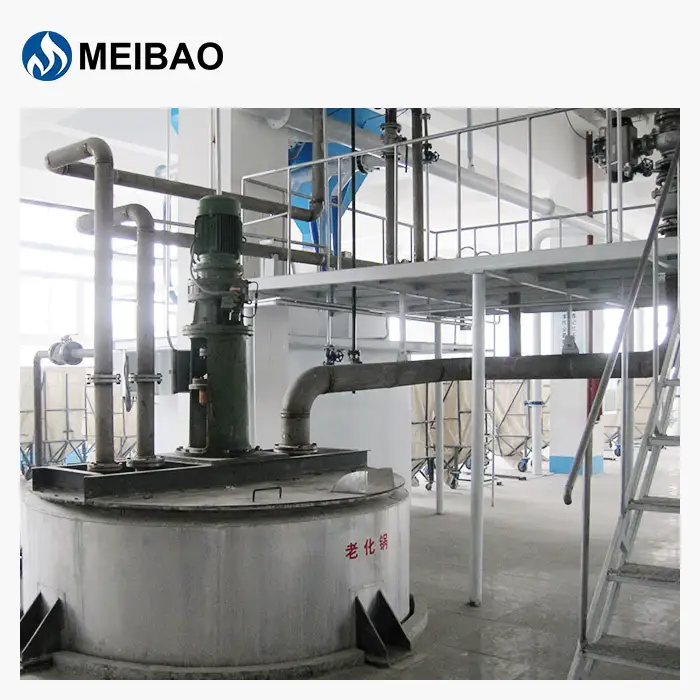
Freshly agglomerated detergent contains more moisture than the final product should have, so drying becomes essential. MeiBao's production line directs the material into drying equipment, typically fluid bed dryers or rotary dryers, where hot air gently removes excess water. The drying parameters are carefully tuned to avoid overheating, which could degrade heat-sensitive ingredients such as enzymes or fragrances. After drying, the powder passes through cooling sections that bring it down to a temperature suitable for the next steps. Proper moisture control at this stage prevents clumping during storage and ensures the powder remains stable throughout its shelf life.
Screening and Classification of Particles
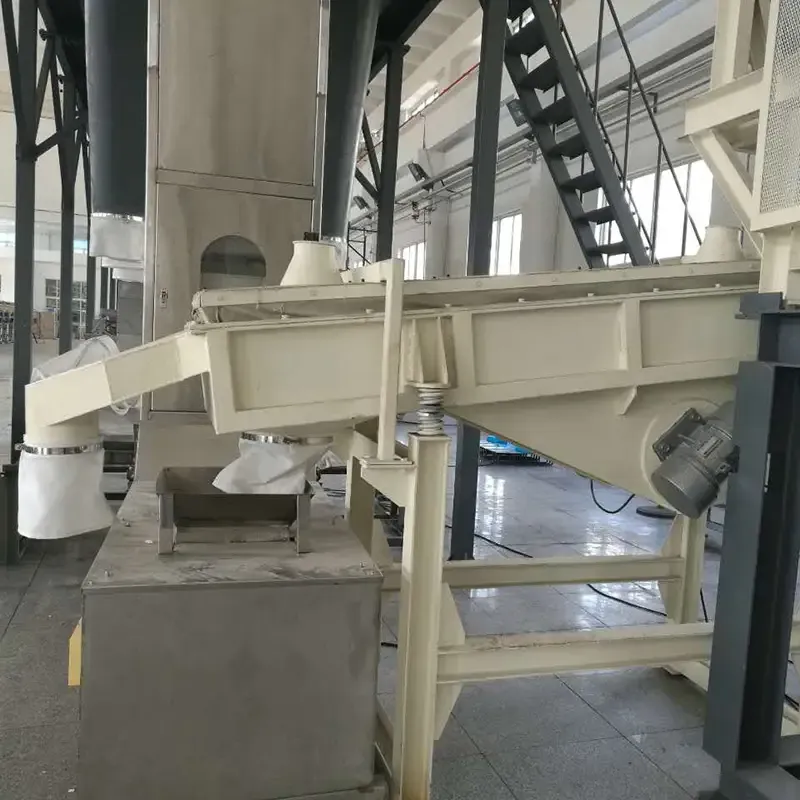
Not every particle that emerges from the dryer meets the desired size specification. Some may be too fine, creating dust, while others may be too coarse, affecting dissolution. MeiBao's line incorporates screening equipment that separates particles by size, directing oversized granules for recycling or grinding and allowing properly sized powder to continue forward. Fine particles captured during screening are often reintroduced into the agglomeration process, minimizing waste and maximizing yield. This classification step is crucial for achieving the uniform appearance and performance that consumers expect from a reputable detergent brand.
Addition of Fragrances and Specialty Ingredients
Many detergent powder production line include fragrances, colorants, enzymes, or other specialty additives that give products their distinctive appeal. These ingredients are often heat-sensitive, which is why MeiBao's line introduces them after the drying and screening stages. Precision spray systems apply liquid fragrances evenly across the powder surface, while solid additives are blended in gently to avoid damaging delicate granules. The timing and method of addition matter enormously because improper handling can cause fragrances to evaporate or enzymes to lose potency. By adding these components at the right moment, the line preserves their effectiveness and ensures that consumers experience the intended scent and performance.
Final Packaging and Quality Verification
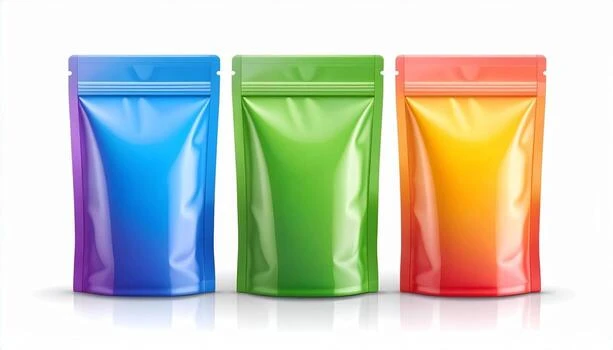
The last stage of the journey transforms bulk powder into retail-ready products. MeiBao's packaging equipment fills bags, boxes, or pouches with accurate weights, seals them securely, and applies labels or coding as required. Throughout packaging, inline checkweighers verify that each unit contains the correct amount, and metal detectors or other inspection devices screen for contaminants. Finished products move onto pallets for storage or shipment, ready for distribution. This final step may seem simple compared to the chemistry that preceded it, but it is just as important because packaging protects the product and presents it attractively to customers, completing the transformation from raw ingredients to a market-ready detergent.




























Sign in to leave a comment.