

Schools need adaptable accommodation to respond to increasing pupil numbers, changing curriculum requirements, refurbishment programmes, and evolving educational priorities. When existing classrooms become fully occupied, additional space may be required without waiting for a lengthy permanent construction project. Flexible accommodation can help educational organisations maintain suitable learning environments while managing their available space more effectively. Modular education buildings can provide practical facilities for classrooms, specialist teaching areas, staff rooms, administration spaces, storage, and other school requirements. With careful planning, these buildings can support growing schools while providing adaptable accommodation for changing educational needs.
Understanding Modular Education Buildings
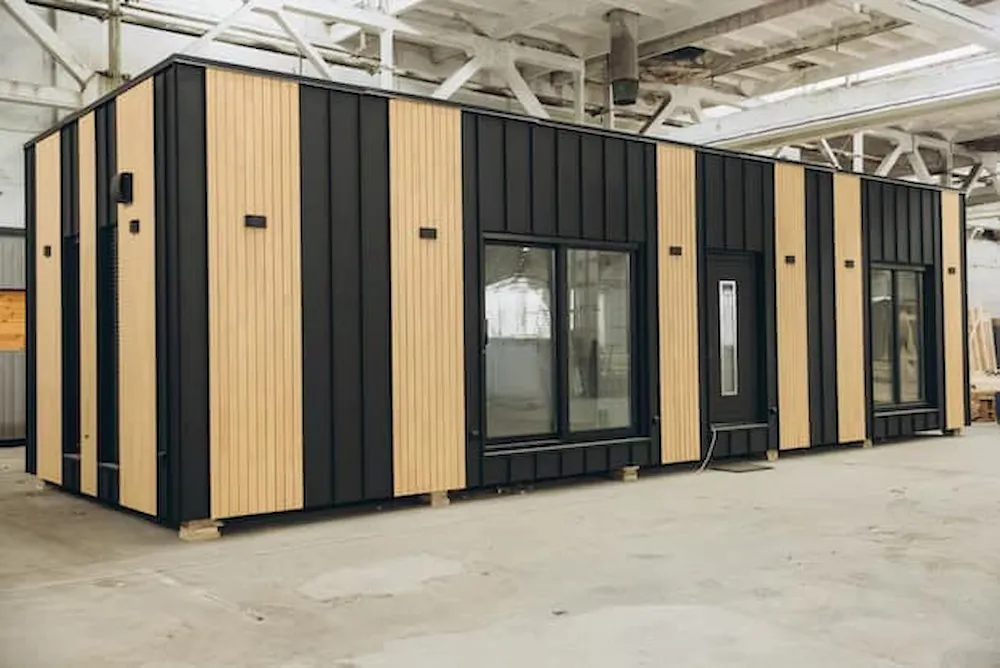
Modular education buildings use prefabricated components to create accommodation designed around specific educational requirements. Their layouts can be configured according to student numbers, teaching activities, furniture, equipment, technology, storage, and staff requirements. This approach allows schools to develop practical spaces without relying entirely on conventional construction. A modular building can provide additional classroom capacity during periods of growth or refurbishment and may also be adapted for alternative purposes in the future. The flexibility of the design allows schools to consider both immediate accommodation requirements and potential long term educational needs.
Responding to School Growth
Increasing enrolment can place pressure on existing classrooms and facilities. When available rooms reach capacity, schools may need additional accommodation to maintain appropriate teaching environments. Modular buildings can provide extra space without requiring a permanent extension to be completed first. Additional rooms can support general teaching, group activities, specialist subjects, staff functions, or administration. This flexibility can help schools respond to changing pupil numbers while giving management teams time to develop longer term plans for the wider school estate.
Creating Practical Learning Spaces
The internal design of an educational building should reflect the activities that will take place inside it. Classrooms require sufficient space for desks, chairs, teaching equipment, storage, technology, and movement. Flexible furniture can allow teachers to adjust layouts for individual study, group activities, discussions, and practical learning. Lighting, heating, ventilation, and insulation can contribute to comfortable internal conditions. Careful planning of these features can help schools create environments that support everyday teaching while allowing the same accommodation to accommodate different learning approaches.
Designing Flexible Classroom Layouts
Different lessons can require different classroom arrangements. Individual work may benefit from separated desks, while collaborative activities can require group tables and open areas. Practical subjects may require additional floor space for equipment and demonstrations. Movable furniture can make it easier for teachers to change the room according to the activity. Storage can be positioned to keep resources accessible without restricting circulation. A flexible classroom layout can therefore support several teaching methods and help schools make effective use of every available part of the building.
Providing Effective Storage
Storage is an important part of maintaining organised educational spaces. Books, teaching resources, stationery, equipment, and student materials can quickly occupy valuable floor area without suitable storage. Cupboards, shelving, cabinets, and other storage solutions can be incorporated according to the room's intended purpose. Frequently used resources can remain accessible, while less frequently required items can be stored away. Effective storage planning can reduce clutter, maintain clear movement routes, and provide teachers and students with convenient access to the resources needed during lessons.
Supporting Comfortable Educational Environments
Students and staff may spend several hours inside classrooms and other educational spaces each day. Comfort should therefore be considered when planning modular accommodation. Suitable insulation can help regulate internal temperatures, while heating systems can provide warmth during colder periods. Ventilation can support air circulation, and appropriate lighting can provide suitable visibility for reading, writing, computer work, and presentations. Natural light can also contribute to a brighter internal environment. Flooring, ceilings, walls, and internal finishes can be selected according to the intended use, helping create practical spaces for regular educational activities.
Managing Heating and Insulation
Temperature management can contribute to comfortable classroom conditions throughout the academic year. Suitable insulation can reduce heat transfer and help maintain more consistent internal temperatures. Heating systems can provide additional warmth when required. The appropriate specification depends on factors such as room size, occupancy, location, and intended use. Schools should consider insulation, heating, and ventilation together when planning accommodation. Regular maintenance can also help ensure that systems continue to perform effectively, supporting suitable conditions for students, teachers, and other users.
Supporting Effective Ventilation
Ventilation is particularly important in classrooms where several students and teachers occupy the same space for extended periods. Suitable air circulation can contribute to comfortable internal conditions and support a more appropriate learning environment. Requirements depend on room dimensions, occupancy, building design, and educational activities. Ventilation should be considered alongside heating and insulation during the design process. Regular inspection and maintenance can help ventilation systems operate effectively. Addressing these requirements from the beginning can help schools create classrooms that remain practical and comfortable throughout the school day.
Integrating Educational Technology
Technology has become an important part of modern teaching, with classrooms often using computers, interactive displays, projectors, tablets, charging equipment, and communication systems. These devices require suitable electrical and data infrastructure. Power outlets and communication connections should be positioned according to the planned furniture and equipment layout. Internet connectivity may also be necessary for digital learning platforms and online resources. Planning technology requirements during the design stage can help reduce cable clutter and avoid disruptive modifications later. It can also help ensure that the accommodation remains adaptable as educational technology develops.
Planning Electrical Connections
Electrical requirements can vary depending on the age group, subject, and activities supported within a classroom. Standard teaching rooms may need connections for computers and displays, while specialist spaces may require additional power for specific equipment. Student areas may also need appropriately positioned charging points for approved devices. Cable management should be considered to maintain clear walkways and support safe movement. Identifying requirements before installation can help schools create an organised electrical system that supports current equipment while providing flexibility for future technology.
Supporting School Refurbishment
Refurbishment projects can improve permanent school facilities but may temporarily reduce available classroom space. Modular education buildings can provide alternative accommodation while construction work takes place. Students and teachers can move into additional classrooms, allowing contractors to work within permanent buildings with less interference from daily teaching. Modular spaces can also be used as temporary staff rooms, offices, storage areas, or specialist facilities. Careful planning can help schools maintain educational continuity while improvements are carried out, providing practical accommodation throughout the refurbishment period.
Maintaining Teaching Continuity
Construction work can introduce noise, restricted access, and changes to established school routines. Dedicated additional accommodation can help separate learning activities from active construction areas. Furniture, educational resources, and technology can be transferred into temporary classrooms before lessons begin. Clear pedestrian routes can also support safe movement around the school site. By providing suitable alternative spaces, schools can continue teaching while refurbishment progresses. This approach can help maintain a structured learning environment and reduce unnecessary disruption during periods of significant construction activity.
Supporting Specialist Education
Some subjects require dedicated spaces with specific equipment, layouts, or environmental requirements. Modular accommodation can potentially be designed for art, music, technology, science related activities, additional learning support, and other specialist programmes. Flooring, storage, electrical capacity, ventilation, and internal fittings can be selected according to the intended purpose. Schools should identify specialist requirements at an early stage so the building can be appropriately specified. Dedicated specialist accommodation can also reduce pressure on general classrooms and provide more suitable environments for activities that require particular facilities.
Creating Multi Purpose Spaces
A flexible educational building can support different activities when the layout allows rooms to be adapted. Movable furniture, open floor areas, suitable storage, and technology infrastructure can make it easier to change spaces for individual learning, group activities, presentations, training, or other educational purposes. One room may serve several functions throughout the day or academic year. This versatility can help schools maximise available accommodation without requiring separate rooms for every activity. Careful design can ensure that flexibility remains compatible with comfort, accessibility, safety, and practical teaching requirements.
Providing Staff and Administration Areas
Growing schools may need additional space beyond classrooms. Staff rooms, offices, meeting rooms, reception areas, and administration facilities can become increasingly important as pupil numbers and staffing levels increase. Modular accommodation can provide dedicated spaces for these functions while allowing existing classrooms to remain focused on teaching. Staff facilities can include work areas, meeting spaces, storage, and welfare facilities according to requirements. Providing appropriate support accommodation can help schools organise their wider operations and make more efficient use of existing permanent buildings.
Supporting School Administration
Administrative teams require practical areas for managing records, communication, meetings, and daily school operations. A modular building can provide offices or dedicated administration spaces when existing facilities are limited. Suitable desks, storage, technology connections, lighting, and communication infrastructure can be incorporated into the design. Reception areas can also be positioned to support visitor management and access control. Creating dedicated administrative accommodation can help separate operational tasks from teaching areas, allowing staff to manage school activities in an organised environment.
Making Effective Use of School Grounds
School sites often have limited available land, making careful planning essential when adding accommodation. The proposed location should consider existing buildings, playgrounds, access routes, utilities, drainage, emergency routes, and pedestrian movement. Delivery requirements should also be assessed before installation. Positioning the building appropriately can help it integrate with existing facilities while reducing disruption to established school activities. Effective site planning can allow schools to make productive use of available land while maintaining suitable access for students, staff, visitors, service providers, and emergency vehicles.
Planning Around Existing Facilities
The relationship between a modular building and existing school facilities can influence daily convenience. Positioning additional accommodation near relevant facilities may provide easier access to toilets, playgrounds, specialist rooms, or administration areas. At the same time, buildings may need appropriate separation from construction zones, vehicle routes, or restricted areas. Schools can assess these factors before installation to identify a suitable location. Thoughtful planning can help additional accommodation integrate effectively with the wider school environment while minimising unnecessary changes to established routines.
Considering Accessibility and Safety
Accessibility should form part of the planning process for educational accommodation. Students, teachers, visitors, and support staff may have different mobility requirements, making entrances, ramps, doors, circulation areas, and internal layouts important considerations. Safety planning should address emergency routes, fire safety systems, electrical installations, lighting, and the building's position within the school grounds. Requirements can vary depending on the project and intended use, so suitable professional guidance should be obtained where appropriate. Addressing these considerations during design can help create accommodation suitable for a diverse school community.
Creating Secure Educational Facilities
Schools need to consider security because educational buildings can contain technology, equipment, personal belongings, records, and other valuable resources. Suitable doors, locks, windows, lighting, and controlled access arrangements can contribute to a secure environment. The location of the building should also be considered, particularly where accommodation remains on site outside normal school hours. Regular inspections can help identify issues that may affect security. A planned approach can help protect students, staff, equipment, and educational resources while maintaining a welcoming environment for authorised users.
Planning for Future School Requirements
Schools can benefit from considering future needs when selecting additional accommodation. Pupil numbers may change, teaching programmes can develop, and new technologies may alter classroom requirements. A modular building can potentially be adapted for different purposes as circumstances change. Movable furniture, adaptable layouts, additional storage, and suitable technology infrastructure can increase the range of possible uses. Schools may also consider whether accommodation could later become a specialist classroom, staff room, administration area, or storage facility. Planning for future applications can help extend the practical value of the building.
Supporting Long Term Flexibility
Accommodation introduced to address an immediate requirement may continue to provide useful space after circumstances change. Once a refurbishment project is completed or enrolment levels stabilise, a modular building could potentially be repurposed for another educational function. It may become a general classroom, specialist room, staff facility, administration space, or support area depending on its specification. Regular maintenance can help preserve its condition and functionality. Considering future applications during the initial planning process can help schools select accommodation that remains useful over an extended period.
Considering Resource Efficiency
Resource efficiency can be included in the planning of modern educational accommodation. Suitable insulation, efficient lighting, appropriate heating, effective ventilation, and durable materials can contribute to practical building operation. Modular construction can also involve controlled manufacturing processes that may help manage material use and reduce certain activities required on site. Actual environmental performance depends on building design, materials, site conditions, and operational practices. Schools can consider their own sustainability objectives when developing a specification and selecting features that support efficient operation throughout the building's intended use.
Planning a Successful Modular Education Project
A successful modular education project begins with a clear understanding of the school's current and future requirements. Student numbers, teaching activities, furniture, storage, technology, accessibility, comfort, security, staff facilities, and expected duration of use should all be considered. Site conditions, delivery access, utilities, and integration with existing facilities should also be assessed. Establishing these details early can help schools create a suitable building specification and reduce the likelihood of disruptive changes later. Detailed planning can also support effective installation, maintenance, and future adaptation of the accommodation.
Conclusion
Flexible educational accommodation can help growing schools respond to increasing pupil numbers, refurbishment projects, specialist teaching requirements, and changing operational needs. Modular education buildings can provide adaptable spaces for classrooms, specialist learning, staff facilities, administration, storage, and other educational purposes. With careful planning, these buildings can incorporate practical layouts, suitable technology, comfortable environmental conditions, accessibility features, effective storage, and appropriate security. Schools should consider both immediate requirements and future applications when developing additional accommodation. Halletts Spaces provides modular and portable building solutions designed to support educational organisations seeking practical facilities that can adapt as their needs develop.


















Sign in to leave a comment.