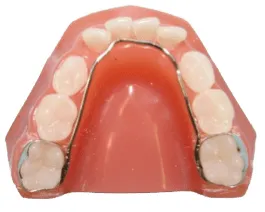

Growing smiles require thoughtful attention because children experience continuous changes in tooth position, jaw development, facial growth, and oral habits. During these important stages, pediatric orthodontic appliances can provide targeted support when a dental professional identifies a developing concern. Carefully selected appliances may help guide dental changes, preserve space, improve oral function, or support healthier treatment patterns. Their design depends on each child’s needs, growth stage, cooperation, and treatment objectives. A structured approach allows dental professionals to address concerns while keeping comfort, safety, hygiene, and long term development in consideration.
Understanding the Role of Pediatric Orthodontic Appliances
Pediatric orthodontic appliances are dental devices designed to support developing teeth, jaws, and oral functions in children. They can serve different purposes depending on the treatment plan, including space preservation, habit correction, tooth guidance, or retention. Some appliances are removable, while others remain attached for a specific period. Selection is based on clinical findings rather than age alone. Dental professionals consider growth patterns, tooth development, oral habits, available space, and expected cooperation. This individualized process helps ensure that an appliance serves a clear purpose within the child’s overall orthodontic care.
Supporting Developing Dental Structures
Children’s mouths change rapidly as primary teeth are lost and permanent teeth emerge. These transitions can create situations where timely guidance becomes valuable. Certain appliances can help maintain existing space when premature tooth loss occurs, while others may influence the direction of developing dental structures. The goal is not simply to move teeth, but to support an orderly environment for continued growth. Regular professional assessment remains important because appliance needs can change as development progresses. Adjustments or changes in treatment may be recommended when the child’s oral structures respond over time.
Addressing Space and Alignment Concerns
Space management is an important part of pediatric orthodontic care because premature loss of primary teeth can affect the position of neighboring teeth. A suitable appliance may help preserve space until a permanent tooth is ready to emerge. Other devices can provide guidance when teeth begin developing outside their preferred positions. The appliance selected depends on the location of the concern and the anticipated dental changes. By monitoring these conditions during growth, dental professionals can identify developing problems and determine whether appliance therapy may support a more organized path toward future alignment.
Common Types of Appliances Used in Children
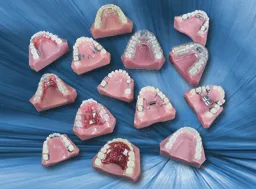
Pediatric orthodontic appliances can include space maintainers, habit correction devices, expanders, removable plates, retainers, and other customized designs. Each type has a specific purpose and should be prescribed according to the child’s clinical needs. Space maintainers may preserve room after early tooth loss, while expanders can assist with selected arch development concerns. Habit correction appliances may address behaviors that influence oral structures. Removable devices can provide targeted support while allowing removal for certain activities. Understanding the purpose of each appliance helps families recognize why consistent use and professional supervision are important.
Removable Appliance Considerations
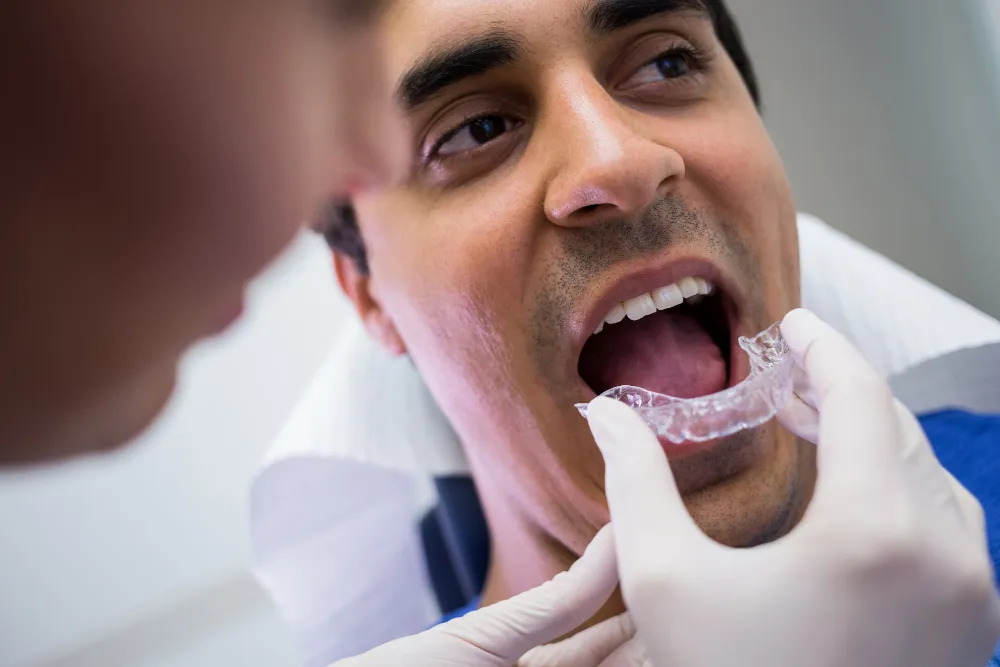
Removable appliances can offer flexibility because they may be taken out for cleaning or other situations when permitted by the dental professional. Their effectiveness depends significantly on appropriate wear and responsible handling. Children may need clear guidance about insertion, removal, cleaning, storage, and the importance of following the prescribed schedule. A poorly managed appliance can become damaged, misplaced, or ineffective. Families can support treatment by creating consistent routines and checking that the device is kept safely when it is not being worn. Regular appointments also help confirm that the appliance continues to fit appropriately.
Fixed Appliance Considerations
Fixed appliances remain attached during the prescribed treatment period, which can reduce reliance on daily removal and reinsertion. Because these devices stay in the mouth, oral hygiene becomes especially important. Food debris can collect around components, increasing the need for careful brushing and professional monitoring. Children may also receive guidance about foods or habits that could damage an appliance. Follow up visits allow the dental professional to assess comfort, hygiene, appliance condition, and treatment progress. When children understand these responsibilities, they can participate more confidently in maintaining their oral health during treatment.
Comfort and Fit in Pediatric Appliance Design
Comfort is an important consideration when an appliance is intended for a growing child. An appropriately designed device should fit the oral structures according to the treatment requirements while avoiding unnecessary irritation. Initial adjustment may take time as the child becomes familiar with speaking, eating, or wearing the appliance. Persistent discomfort, sharp areas, looseness, or unexpected changes should be reported to the dental professional rather than ignored. Careful fabrication and follow up can help identify fit concerns early. A comfortable appliance can also encourage better cooperation, which may contribute to consistent progress throughout the planned treatment period.
The Value of Accurate Records
Accurate clinical records support effective appliance planning because they provide useful information about the child’s current oral condition and developmental stage. Impressions, digital scans, photographs, measurements, and other diagnostic information may contribute to appliance design when appropriate. Clear records can help the dental team communicate treatment objectives and fabrication requirements. They also create a reference for evaluating changes during follow up appointments. As children grow, updated records may become necessary to confirm whether the existing appliance remains suitable. Organized information therefore supports both fabrication accuracy and informed treatment monitoring.
Encouraging Children to Follow Appliance Instructions
Successful appliance therapy often requires cooperation from both the child and caregivers. Children may benefit from simple explanations that describe what the appliance does and why the prescribed routine matters. Caregivers can reinforce instructions by establishing regular times for wearing, cleaning, and storing removable devices. Positive encouragement may also make the experience feel more manageable. If an appliance is lost, damaged, uncomfortable, or difficult to use, the dental office should be contacted promptly. Clear communication can prevent avoidable interruptions and help the treatment team make appropriate decisions when problems occur.
Hygiene and Daily Care
Good hygiene is essential whenever an orthodontic appliance is used because food particles and plaque can collect around or beneath dental components. Removable appliances generally require cleaning according to professional instructions and should be stored in a suitable protective case when outside the mouth. Fixed devices require careful brushing around brackets, wires, bands, or other components. Children should receive age appropriate guidance and supervision when necessary. Routine dental examinations should continue throughout orthodontic treatment. Maintaining clean teeth and appliances can support oral health while reducing avoidable problems that might interfere with treatment progress.
Monitoring Growth and Treatment Progress
Pediatric orthodontic treatment requires regular observation because children’s teeth and jaws continue changing throughout development. Follow up appointments allow the dental professional to evaluate appliance fit, oral hygiene, comfort, tooth movement, and overall response. A device that was appropriate at one stage may eventually need adjustment, replacement, or removal. Monitoring also helps identify unexpected changes before they become more difficult to manage. Treatment timelines vary among children because growth patterns and clinical conditions differ. Consistent appointments therefore provide an opportunity to keep appliance therapy aligned with the child’s changing needs.
Why Professional Fabrication Matters
Appliance fabrication requires careful attention to the treatment prescription, clinical records, materials, dimensions, and intended function. Accurate production can contribute to a device that fits the patient’s oral structures and performs its planned purpose. Communication between the dental professional and laboratory team is particularly valuable when specialized requirements are involved. Digital workflows may also support efficient information transfer and precise design processes when suitable for the case. Quality control remains important at every stage because small discrepancies can affect fit, comfort, or function. Careful fabrication therefore forms an important part of dependable pediatric appliance care.
Conclusion
Supporting developing smiles involves more than selecting an appliance. It requires appropriate diagnosis, thoughtful treatment planning, accurate fabrication, proper fit, patient cooperation, hygiene, and regular professional monitoring. Ohlendorf Appliance Laboratory can support dental professionals by providing careful appliance fabrication aligned with the prescribed treatment requirements. With clear communication and attention to each child’s developmental needs, pediatric appliance therapy can become a structured part of comprehensive orthodontic care. Families and dental teams can work together to encourage consistent appliance use, address concerns promptly, and support healthy oral development as children progress through important stages of growth.


























Sign in to leave a comment.