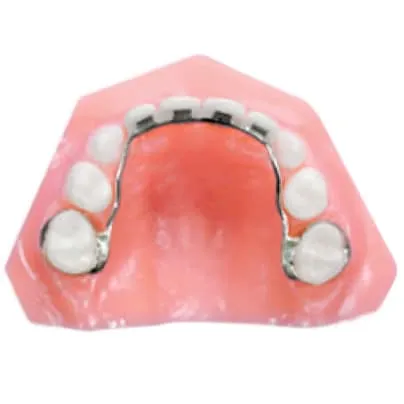

Pediatric dental care often requires solutions that address both oral function and the developing appearance of a child's smile. When young patients experience significant tooth loss, specialized prosthetic appliances can support their dental needs during important developmental stages. A groper appliance lab contributes to this process by transforming clinical prescriptions, dental records, and patient specific information into carefully fabricated appliances. Through accurate fabrication, appropriate materials, detailed finishing, and effective communication, laboratory professionals can support dental teams in providing individualized prosthetic solutions designed around the needs of growing pediatric patients.
The Purpose of Pediatric Prosthetic Appliances
Young children can lose primary teeth prematurely because of extensive decay, trauma, developmental conditions, or other dental circumstances. When several anterior teeth are missing, a pediatric prosthetic appliance may be considered to restore appearance and support certain functional needs. The treating dental professional evaluates the child's condition before determining whether such an appliance is appropriate. Once prescribed, laboratory fabrication becomes an important technical stage. Accurate records and clear instructions allow technicians to create an appliance that corresponds with the documented dental structures and the clinician's intended treatment objectives.
Why Accurate Case Information Matters
Accurate patient information provides the foundation for successful appliance fabrication. Dental impressions, digital scans, photographs, treatment notes, and detailed prescriptions can help laboratory technicians understand the child's oral structures and specific requirements. Pediatric cases may involve developing arches, changing tooth positions, and limited available space, making current records particularly important. When clinical information is complete, technicians can better understand the requested design and identify potential technical questions before production begins. Organized case submission also supports communication between the dental practice and laboratory, creating a more predictable workflow for pediatric appliance fabrication.
Translating Clinical Requirements Into Design
The dental professional determines the clinical objectives, while the laboratory technician translates those requirements into a physical appliance. This process requires careful attention to the prescription, available records, appliance components, dimensions, and finishing specifications. Pediatric prosthetic appliances can have different design considerations depending on the child's dental condition and treatment goals. Laboratory technicians therefore need to avoid relying solely on standardized assumptions. Instead, fabrication should be guided by the information supplied for each individual case. Clear communication helps ensure that the technical design remains connected to the clinical purpose established by the treating professional.
Supporting Appearance and Confidence
The appearance of a child's smile can influence everyday social interactions, especially when visible anterior teeth are missing. A pediatric prosthetic appliance may provide an option for restoring the visible appearance of the smile while the child's permanent dentition develops. Although appearance is only one consideration, it can be meaningful for children and families seeking an appropriate temporary solution. Laboratory technicians can contribute through careful tooth arrangement, appliance contouring, material selection, and finishing. The dental professional then evaluates the completed appliance and determines whether it meets the clinical and aesthetic requirements of the individual patient.
Considering the Child's Developing Dentition
Children experience continuous dental development, so pediatric prosthetic appliances require consideration of changing oral structures. The position of neighboring teeth, eruption of permanent teeth, arch development, and overall growth can affect how an appliance should be designed and monitored. Laboratory technicians rely on current clinical records and prescriptions when fabricating the device, while the treating professional remains responsible for evaluating the child's changing needs. Regular clinical appointments can help determine whether the appliance continues to be suitable. This coordinated approach recognizes that pediatric prosthetic care may need adjustments as development progresses.
The Importance of Comfortable Fabrication
Comfort is an important consideration when creating an appliance for a young patient. Children may be less accustomed to wearing dental appliances and can be sensitive to unfamiliar sensations. Smooth surfaces, appropriate contours, suitable materials, and careful finishing can contribute to a more comfortable experience. Laboratory technicians can support these characteristics by following precise fabrication procedures and inspecting the appliance before delivery. The dental professional evaluates the appliance in the child's mouth and determines whether clinical adjustments are required. Together, careful fabrication and clinical assessment can support a more positive appliance experience for young patients.
Choosing Suitable Materials
Material selection can influence the appearance, durability, weight, and handling characteristics of a pediatric appliance. Laboratory professionals need to use materials appropriate for the intended application and follow established fabrication procedures. The clinician's prescription and the child's specific requirements guide these decisions. Proper processing and finishing are equally important because the final appliance should meet the technical specifications provided by the dental practice. While material performance can contribute to appliance quality, clinical suitability remains the responsibility of the treating professional. Laboratory expertise helps translate material choices into a carefully constructed appliance.
Maintaining Fabrication Quality
Quality control provides an important safeguard throughout laboratory production. Technicians can review patient records, confirm prescription details, inspect components, assess appliance dimensions, and examine finishing before completing a case. These checks can help identify technical inconsistencies before the appliance reaches the dental practice. Pediatric appliances require particular attention because growing dental structures and smaller oral dimensions may create specific fabrication considerations. A consistent quality control process can support dependable production while reducing avoidable remakes. It also gives dental professionals greater confidence that laboratory procedures have been completed according to the submitted specifications.
Supporting Consistent Laboratory Workflows
A structured laboratory workflow can help manage pediatric prosthetic cases efficiently. Clear procedures for receiving prescriptions, reviewing records, designing appliances, completing fabrication, checking quality, and communicating case status can reduce unnecessary confusion. Consistency does not mean every pediatric appliance is identical. Instead, it means every case moves through reliable technical stages while retaining its individual requirements. Dental practices can benefit from familiar submission processes because staff members understand what information the laboratory needs. Laboratory teams can then focus on fabrication while maintaining communication with the clinical team whenever clarification becomes necessary.
Digital Technology in Pediatric Appliance Fabrication
Digital dentistry has created additional possibilities for pediatric appliance workflows. Intraoral scanning can produce detailed digital representations of dental structures that may be transferred electronically to compatible laboratory systems. Computer aided design can support visualization and modification before manufacturing, while digital records can simplify case organization. These technologies may reduce certain physical handling requirements and improve information transfer. However, digital tools do not replace professional expertise. Accurate scanning, appropriate file management, thoughtful design, suitable manufacturing methods, and careful inspection remain essential. Technology becomes most useful when integrated with skilled laboratory procedures and clear clinical direction.
Improving Communication Through Digital Records
Digital records can make communication between dental practices and laboratories more convenient when compatible systems are available. Scans, photographs, prescriptions, and other relevant information can be transferred electronically, allowing technicians to review cases without waiting for physical materials. This may help reduce certain logistical delays and make case information easier to organize. When technicians identify missing details or technical questions, digital communication can also allow clarification before fabrication begins. Better information exchange can reduce misunderstandings and support a workflow in which clinical requirements and laboratory production remain closely connected throughout the appliance development process.
Supporting Children and Their Families
Pediatric dental treatment involves more than technical appliance fabrication because children and their families need understandable guidance about appliance use and care. Dental professionals can explain why the appliance has been prescribed, how it should be worn, and what cleaning or storage practices are appropriate. Laboratory teams contribute by producing an appliance that follows the submitted clinical requirements. When these responsibilities are clearly coordinated, families can receive consistent information from the dental practice. This communication can help children become more familiar with their appliance and understand the importance of following professional instructions throughout treatment.
Managing Follow Up and Changes
A child's dental structures can change relatively quickly, making regular follow up an important part of pediatric prosthetic care. The dental professional can evaluate the appliance, monitor oral development, and determine whether continued use remains appropriate. Changes in tooth position, eruption, growth, appliance wear, or comfort may require adjustment or replacement. When a new appliance is prescribed, updated records can help the laboratory create a design that reflects the child's current condition. Ongoing communication between the practice and laboratory supports continuity and helps ensure that fabrication keeps pace with changing clinical requirements.
Building Reliable Dental Laboratory Partnerships
A dependable relationship between a pediatric dental practice and laboratory can support smoother case management. Familiar communication procedures, clear prescriptions, predictable submission requirements, and consistent quality checks can help both teams understand their responsibilities. Dental professionals can focus on diagnosis, treatment planning, patient education, and clinical monitoring, while laboratory technicians concentrate on technical fabrication. This division of responsibilities can make the overall workflow more organized. For pediatric cases, where treatment needs can evolve with growth, maintaining accessible records and responsive communication can be especially useful when new appliances or modifications become necessary.
Conclusion
Specialized pediatric prosthetic appliances can support children who experience premature loss of visible primary teeth during important stages of dental development. Successful fabrication depends on accurate records, clear clinical prescriptions, appropriate materials, careful design, precise finishing, and consistent quality control. Digital technology can further improve communication and case organization when used alongside professional oversight. Ohlendorf Appliance Laboratory can support dental professionals through carefully fabricated pediatric appliances based on individual case requirements and documented clinical instructions. By combining technical expertise with effective communication, laboratory services can contribute to organized, thoughtful, and patient focused pediatric dental care.

























Sign in to leave a comment.