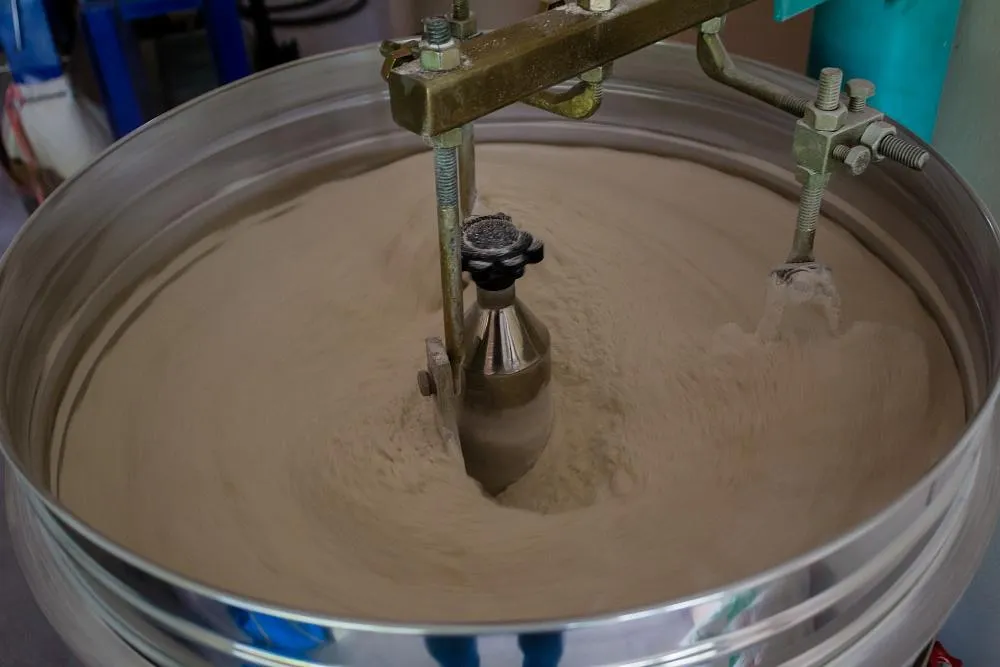

Yeast cultivation involves controlled biological activity where microorganisms grow and multiply under carefully maintained conditions. During this process, aeration, agitation, nutrients, and cellular activity can contribute to substantial foam formation. Persistent foam may occupy valuable vessel capacity and interfere with stable fermentation conditions. An effective yeast fermentation antifoam approach helps manage excessive foam while allowing cultivation conditions to remain controlled. Understanding the relationship between yeast growth and foam formation enables production teams to develop suitable control practices that support consistent operation, efficient nutrient utilization, and reliable fermentation performance.
Why Foam Control Matters
Foam control is important because uncontrolled foam can create several operational difficulties during yeast cultivation. Excessive foam may reach vessel exhaust systems, affect sensors, increase cleaning requirements, and interrupt production. It can also reduce available headspace and make process monitoring more complicated. Appropriate antifoam management helps maintain a stable working environment within the fermentation vessel. By controlling foam before it becomes excessive, production teams can reduce interruptions and maintain more predictable cultivation conditions. This supports efficient use of equipment while helping preserve the consistency required for repeated yeast fermentation batches.
Common Causes of Foam Formation
Foam during yeast cultivation develops through the interaction of gas, liquid, and surface active materials within the fermentation broth. Aeration introduces air into the liquid, while agitation disperses gas bubbles throughout the medium. Nutrients, proteins, peptides, yeast cells, and other organic components can stabilize those bubbles and encourage persistent foam. Foam intensity may also change as the yeast population develops and metabolic activity increases. Variations in broth composition, temperature, pH, aeration, and agitation can further influence foam behavior. Recognizing these causes helps determine appropriate foam management practices for different cultivation stages.
Selecting a Suitable Antifoam
Selecting an appropriate antifoam involves evaluating how the formulation behaves under actual yeast cultivation conditions. The material should provide effective foam suppression while remaining compatible with yeast growth and the surrounding fermentation environment. Important factors include dispersion, persistence, dosage requirements, temperature stability, and behavior under continuous agitation. A formulation that performs well in a simple test may respond differently when exposed to a complex fermentation broth. Careful evaluation under representative conditions therefore helps identify suitable options and reduces the likelihood of unexpected foam problems during larger scale production.
Considering Fermentation Medium Composition
The composition of the fermentation medium can strongly influence foam formation and antifoam performance. Different concentrations of carbohydrates, nitrogen sources, minerals, proteins, and other nutrients can change the surface characteristics of the broth. As yeast consumes nutrients and produces metabolic compounds, the composition may continue changing throughout cultivation. These changes can cause foam behavior to increase or decrease at different stages. Antifoam evaluation should therefore consider the complete medium rather than isolated ingredients whenever possible. Testing under representative conditions provides more useful information for establishing reliable foam control procedures.
Managing Aeration and Agitation
Aeration and agitation are essential for maintaining suitable conditions during many yeast cultivation processes, but they can also intensify foam formation. Increasing agitation can generate stronger turbulence and disperse more air into the liquid, while higher aeration introduces additional gas bubbles. Production teams must therefore maintain a balance between biological requirements and foam control. Antifoam application can help manage the resulting foam without unnecessarily reducing important process parameters. Coordinating aeration, agitation, and antifoam dosing provides a practical way to maintain cultivation conditions while reducing the risk of excessive foam accumulation.
Supporting Oxygen Transfer
Oxygen availability can influence yeast growth and fermentation performance in processes where aerobic activity is required. Foam can affect gas distribution and may complicate efforts to maintain consistent oxygen transfer throughout the vessel. Antifoam selection should therefore consider how foam suppression influences the physical behavior of the broth. Excessive dosing may also change interfacial characteristics, making controlled application important. Evaluating antifoam performance alongside oxygen transfer requirements allows production teams to establish suitable operating conditions. This supports yeast activity while helping maintain stable cultivation and predictable process behavior.
Optimizing Antifoam Dosage
Antifoam dosage should be established through controlled testing rather than relying on excessive addition. Too little antifoam may provide insufficient control, while unnecessary quantities can increase material consumption and potentially influence fermentation characteristics. A suitable dosage range can be identified through laboratory and pilot scale trials using representative process conditions. During production, controlled or automated dosing can respond to actual foam levels and changing cultivation conditions. This approach can improve consistency while reducing unnecessary additions. Careful dosage management also provides better control over operating costs and helps maintain predictable fermentation performance.
Maintaining Yeast Compatibility
Yeast compatibility is a central consideration when introducing an antifoam into the fermentation system. Yeast cells require suitable environmental conditions to maintain growth, metabolic activity, and desired production characteristics. An antifoam should therefore be assessed for its potential influence on these biological functions. Testing can examine yeast growth, productivity, oxygen transfer, and other important process indicators at different concentrations. Such evaluation helps establish appropriate usage limits. A compatible formulation can reduce foam effectively while allowing yeast cultivation to continue under conditions that support stable and efficient biological performance.
Managing Foam During Different Growth Stages
Foam behavior can vary throughout the yeast cultivation cycle. Early stages may generate relatively limited foam, while increasing cell concentration and aeration can produce stronger surface activity. Later stages may present different characteristics as nutrients are consumed and metabolic compounds accumulate. Applying the same response at every stage may not always provide efficient control. Monitoring foam development allows dosing to be adjusted according to actual process needs. Stage specific management can reduce unnecessary antifoam use during low foam periods while ensuring sufficient control when foam generation becomes more intense.
Protecting Vessel Headspace
Vessel headspace provides valuable space for foam expansion during cultivation, but excessive foam can quickly reduce that available capacity. If foam rises toward exhaust filters, vents, or connected equipment, it may cause carryover and create additional maintenance requirements. Effective antifoam control helps keep foam within a manageable region of the vessel. Appropriate fill levels, aeration settings, foam sensors, and controlled dosing can provide additional protection. Maintaining sufficient headspace and managing foam proactively reduces the likelihood of overflow while supporting smoother operation during important yeast cultivation stages.
Supporting Equipment Reliability
Fermentation systems depend on reliable operation of vessels, probes, filters, agitators, and gas handling equipment. Persistent foam can expose these components to materials that may require additional cleaning or maintenance. Foam reaching sensors can also interfere with accurate measurements and make process control more difficult. Effective antifoam management helps reduce these operational pressures. Maintaining controlled foam levels can support more reliable equipment performance and reduce unnecessary interruptions. Consistent foam management therefore contributes not only to fermentation stability but also to the broader reliability of the cultivation system.
Considering Temperature and pH
Temperature and pH can influence both yeast activity and foam behavior during cultivation. Changes in these parameters may affect broth viscosity, surface tension, microbial metabolism, and bubble stability. Antifoam performance can also vary as environmental conditions change. Testing should therefore cover the temperature and pH ranges expected during actual production. Understanding this behavior helps production teams determine whether a formulation remains effective throughout the process. Maintaining appropriate environmental conditions together with controlled antifoam application supports stable yeast activity and reduces unexpected changes in foam formation.
Conducting Laboratory Evaluation
Laboratory evaluation provides a practical method for comparing antifoam formulations before production use. Small scale tests can assess foam reduction, dosage efficiency, dispersion, persistence, and compatibility with the selected yeast system. Different agitation and aeration levels can also be tested to understand performance under varying conditions. Observing biological indicators alongside foam behavior provides a more complete assessment. Promising formulations can then progress to pilot scale testing under conditions that more closely resemble production. This staged approach helps reduce uncertainty and provides useful information for establishing practical foam management procedures.
Monitoring Foam and Process Conditions
Continuous monitoring allows production teams to recognize changes in foam behavior and respond before problems develop. Foam sensors can provide direct information, while visual observations and process data can offer additional context. Monitoring aeration, agitation, temperature, pH, and other parameters can help identify why foam levels are changing. When these measurements are reviewed together, antifoam dosing can be adjusted more accurately. A responsive monitoring strategy supports controlled operation and reduces the need for unnecessary manual intervention. It also creates useful production records that can support future process optimization.
Improving Cultivation Efficiency
Effective foam management can contribute to improved utilization of fermentation equipment and production resources. When foam related interruptions are minimized, vessels can operate more consistently and production schedules may become easier to maintain. Stable cultivation conditions can also support predictable yeast activity and nutrient utilization. Controlled antifoam dosing may reduce material waste compared with repeated excessive additions. Together, these benefits can improve operational efficiency while supporting consistent fermentation performance. Foam control should therefore be considered as part of the broader cultivation strategy rather than as an isolated response to visible foam.
Balancing Foam Control and Product Quality
Foam control must be balanced with the requirements of the final process and product. The selected antifoam should reduce foam without causing undesirable changes to fermentation behavior or creating difficulties during downstream operations. Its influence on separation, filtration, concentration, drying, or other processing stages should be evaluated when relevant. Early assessment can identify potential interactions before the formulation is adopted at larger scale. A balanced approach considers both immediate foam reduction and the complete production pathway. This helps ensure that antifoam use supports overall process performance and consistent product quality.
Maintaining Batch Consistency
Consistent foam management can support repeatable results across yeast cultivation batches. Variations in raw materials, nutrient concentration, inoculum condition, aeration, agitation, and temperature can affect foam behavior. Standardized procedures help production teams respond to these changes while maintaining suitable operating conditions. Recording foam levels, antifoam additions, and related process measurements can reveal patterns across multiple batches. This information can then be used to refine dosage ranges and monitoring practices. A systematic approach improves process knowledge and helps establish more dependable foam control procedures for routine yeast cultivation.
Developing a Long Term Foam Strategy
A long term foam management strategy combines formulation selection, process monitoring, controlled dosing, and regular performance review. Production facilities can establish clear procedures covering foam detection, dosage ranges, response actions, and equipment checks. Periodic testing can determine whether the selected approach continues to perform effectively as fermentation conditions or formulations change. Production data can also help identify recurring foam patterns and opportunities for improvement. By treating foam control as an ongoing process management activity, facilities can maintain stable cultivation conditions while improving resource efficiency and operational reliability.
Conclusion
Effective foam management supports controlled yeast cultivation by reducing operational disruptions and maintaining suitable fermentation conditions. Careful antifoam selection, controlled dosage, biological compatibility, process monitoring, and laboratory evaluation can help address foam throughout different cultivation stages. Attention to aeration, agitation, oxygen transfer, vessel headspace, and equipment reliability further strengthens the overall approach. Consistent procedures can also support repeatable batches and efficient resource use. With a structured foam management strategy, PMC Ouvrie can support manufacturers seeking practical approaches for maintaining stable yeast fermentation processes and improving operational consistency.
























Sign in to leave a comment.