Sustainable Fashion Brands 2026: Style That Saves the Planet

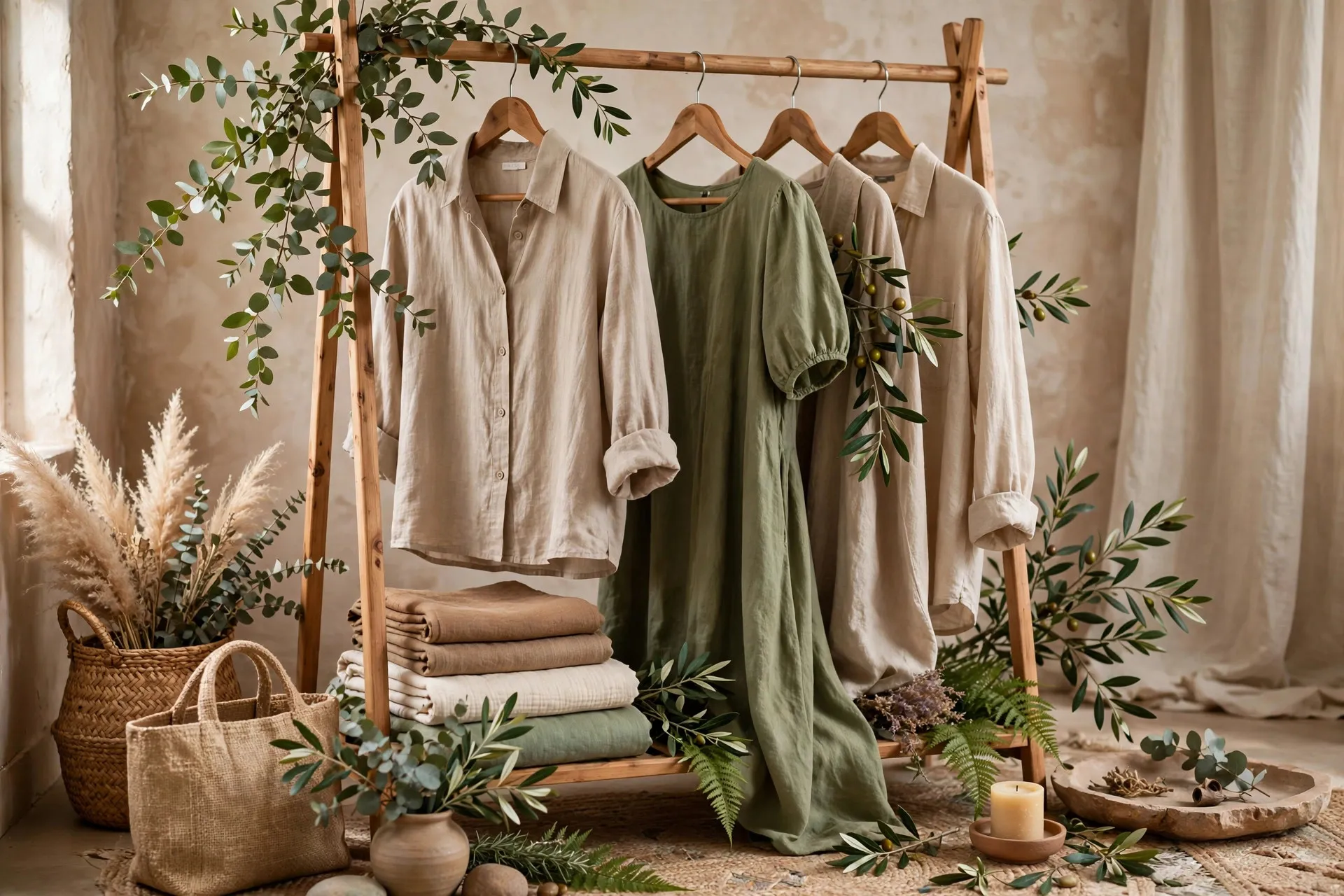
The fashion industry is undergoing its most dramatic transformation in a century. What was once a niche concern for eco-activists has become a mainstream movement, reshaping how we shop, dress, and think about the clothes we wear. As we move through 2026, sustainable fashion is no longer a passing trend — it is a fundamental reimagining of one of the world's largest and most polluting industries.
Sustainable fashion represents more than organic cotton T-shirts or recycled shopping bags. It is a holistic approach that considers every stage of a garment's life: how raw materials are grown, how workers are treated, how much water and energy production consumes, and what happens when a piece of clothing is no longer worn. From cutting-edge fabric innovations to circular business models, the movement is proving that style and responsibility can go hand in hand.
What Makes Fashion Sustainable
A brand earns the "sustainable" label through a combination of practices that reduce environmental harm and improve social conditions. First and foremost is material choice. Conventional cotton, for example, is one of the thirstiest crops on the planet, while alternatives like organic cotton, hemp, linen, and Tencel require far less water and fewer chemicals. Innovative materials are also emerging — fabrics made from recycled plastic bottles, pineapple leaf fibers, mushroom leather, and even orange peel silk are entering mainstream collections.
Beyond materials, production methods matter. Sustainable brands minimize waste through zero-waste pattern cutting, produce in small batches to avoid overstock, and use non-toxic dyes that keep waterways clean. Energy sources count too: factories powered by renewable energy leave a dramatically smaller carbon footprint.
The human element is equally important. Ethical labor practices — fair wages, safe working conditions, reasonable hours, and the absence of child labor — are central to genuine sustainability. Certifications such as Fair Trade, GOTS (Global Organic Textile Standard), and B Corp status help consumers identify brands that live up to their promises rather than merely marketing them.
Finally, durability and circularity define the sustainable approach. A well-made garment designed to last for years replaces dozens of disposable fast-fashion items. Take-back programs, resale platforms, and repair services extend clothing life cycles and keep textiles out of landfills.
Top Sustainable Fashion Brands to Watch in 2026
The sustainable fashion landscape in 2026 is more exciting than ever, with established pioneers and bold newcomers pushing the industry forward.
Patagonia remains the gold standard, repairing millions of garments through its Worn Wear program and funneling profits into environmental activism. Eileen Fisher continues to champion timeless design with its Renew program, which takes back worn pieces and remakes them into new collections.
Reformation has refined the balance between trend-driven style and transparency, publishing the environmental footprint of every product. Stella McCartney leads luxury's green revolution, proving that high fashion can thrive without leather, fur, or compromise.
Newer labels are equally compelling. Brands built on rental and resale models — where customers borrow rather than buy — are booming, reflecting a generational shift toward access over ownership. Meanwhile, direct-to-consumer labels using deadstock fabrics are turning industry waste into limited-edition collections that sell out in hours.
Across the board, 2026's standout brands share common traits: radical transparency about supply chains, science-based climate targets, and business models designed for circularity from day one.
How to Build an Eco-Friendly Wardrobe
Building a sustainable wardrobe does not require throwing everything out and starting over — in fact, the greenest garment is the one you already own. Start with a wardrobe audit: identify what you actually wear, what needs repair, and what can be donated or resold.
Invest in versatile, timeless pieces rather than chasing micro-trends. A well-cut blazer, quality denim, and a classic white shirt will outlast seasons of fast-fashion fads. When you do buy new, research brands' sustainability credentials, check fabric labels for natural or recycled fibers, and prioritize quality construction — reinforced seams, natural buttons, and sturdy zippers signal longevity.
Secondhand shopping is another powerful strategy. Thrift stores, consignment shops, and online resale platforms offer unique pieces at a fraction of the environmental cost. Clothing swaps with friends turn decluttering into a social event.
Care matters too. Washing in cold water, air-drying, and repairing small damages can double a garment's lifespan. Every extra nine months of wear reduces a garment's carbon, water, and waste footprint by around 30 percent.
The True Cost of Fast Fashion
The appeal of fast fashion — trendy clothes at rock-bottom prices — masks staggering hidden costs. The fashion industry is responsible for roughly 10 percent of global carbon emissions and is the second-largest consumer of water worldwide. Producing a single cotton shirt can require more than 2,700 liters of water — enough drinking water for one person for over two years.
Textile waste is another crisis. Millions of tons of clothing end up in landfills each year, where synthetic fabrics can take centuries to decompose while releasing microplastics. "Donated" clothing often ends up shipped to developing countries, overwhelming local markets and creating waste mountains.
The human cost is equally severe. Garment workers, predominantly women in developing nations, frequently earn wages below the poverty line in unsafe conditions. The 2013 Rana Plaza collapse was a wake-up call, but exploitation persists throughout opaque supply chains.
Understanding these costs reframes every purchase. That five-dollar T-shirt is cheap only because someone else — a worker, a community, the planet — is paying the difference.
Tips for Conscious Shopping
Becoming a conscious shopper is simpler than it sounds. Start by asking questions before you buy: Do I need this? Will I wear it at least 30 times? Who made it, and under what conditions? This "30 wears" test alone eliminates most impulse purchases.
Learn to read labels critically. Terms like "eco," "green," and "conscious" are often unregulated marketing — look for third-party certifications instead. Check brand transparency reports and independent rating platforms that score companies on environmental and labor practices.
Support local and independent makers when possible. Smaller production runs, shorter supply chains, and direct relationships with artisans generally mean lower impact and fairer economics.
Finally, remember that the most sustainable purchase is often no purchase at all. Borrowing, renting, swapping, and repairing satisfy the desire for something "new" without feeding the production machine.
Conclusion
The sustainable fashion movement has moved from the margins to the mainstream, and 2026 is shaping up to be a defining year. Consumers are more informed, brands are more accountable, and innovation is accelerating at every level of the supply chain.
Change will not happen overnight, and no single purchase will save the planet. But every conscious choice — every repaired seam, every secondhand find, every well-researched brand — sends a signal to the industry that the old model is broken. Style that saves the planet is not a sacrifice; it is an upgrade. The future of fashion is circular, transparent, and fair — and it looks better than ever. Discover more about sustainable fashion at ThaiLifestyle




Sign in to leave a comment.