

Sustainable living has become an important topic in urban housing as residents look for homes that balance comfort, practicality, and responsible resource use. In a city such as Mumbai, where population density, limited space, and infrastructure demands influence residential planning, thoughtful building design can contribute to more efficient use of energy, water, and shared facilities.
Sustainable residential development is not limited to installing a few environmentally friendly features. It involves considering how a building is designed, how resources are managed, and how residents can maintain an efficient living environment over time.
For prospective homeowners, understanding these principles can help identify properties that support everyday convenience while considering long-term operating costs and environmental responsibilities.
When researching Property Developers in Mumbai, buyers should examine the actual sustainability features of a development rather than relying solely on broad environmental claims.
Understanding Sustainable Residential Development
Sustainable residential development focuses on planning and operating buildings in ways that use resources responsibly while maintaining safety, comfort, and functionality.
Depending on the project, this approach may include energy-efficient lighting, water-saving fixtures, rainwater harvesting, appropriate landscaping, waste segregation, and building designs that make effective use of natural light and ventilation.
The presence of these features varies from one development to another. Buyers should request specific information about the systems installed, how they operate, and who is responsible for their maintenance.
It is also important to distinguish between a feature being proposed and one that has actually been implemented. Verified specifications provide a more reliable basis for comparison than general sustainability statements.
Energy Efficiency and Everyday Comfort
Electricity consumption contributes to the ongoing cost of running a home. Building design and the selection of appliances and lighting systems can influence how much energy a household uses.
Natural lighting may reduce the need for artificial lighting during suitable daytime conditions. Appropriate ventilation can improve indoor comfort, while energy-efficient lighting in apartments and common areas can help reduce electricity consumption.
Some residential developments may also incorporate energy-efficient equipment or renewable energy systems for selected uses. Buyers should verify which features are available and whether they serve individual apartments or shared facilities.
Residents can contribute by switching off unused lights, selecting efficient appliances, and using cooling systems responsibly. These everyday practices complement building-level measures and can support more mindful energy consumption.
Water Conservation and Management
Water management is particularly relevant in large cities, where residential buildings depend on reliable supply and effective distribution systems. Water-saving fixtures, rainwater harvesting where appropriate, and efficient plumbing can support responsible use of this resource.
Buyers should enquire about the building's water supply arrangements, storage capacity, treatment systems where applicable, and maintenance procedures. They should also understand how water-related expenses are managed within the building.
Rainwater harvesting may help collect and manage rainfall when systems are designed and maintained appropriately. However, its effectiveness depends on local conditions, installation quality, and the intended use of the collected water.
During Mumbai's monsoon season, effective drainage and waterproofing are also important considerations. Responsible water management should address both conservation and the safe handling of excess rainfall.
Waste Management and Clean Common Areas
Residential buildings generate different types of waste, including food waste, packaging, paper, and recyclable materials. Organised waste management can help maintain cleaner common areas and encourage more responsible disposal practices.
Homebuyers can ask whether the development provides designated waste collection points, segregation arrangements, and appropriate procedures for managing household waste.
The effectiveness of these arrangements depends on regular maintenance and resident participation. Even a well-designed waste management system requires consistent use and clear communication.
Residents can support better outcomes by separating waste according to local guidelines, reducing unnecessary packaging, and avoiding disposal practices that may block drains or create hygiene concerns.
These measures are particularly relevant in densely populated neighbourhoods, where shared spaces require careful management.
Green Spaces and Well-Planned Landscaping
Landscaped areas, gardens, and accessible outdoor spaces can contribute to the residential experience by providing opportunities for relaxation and recreation. Depending on their design, they may also offer shade and improve the usability of outdoor common areas.
When evaluating a development, buyers should consider whether landscaped spaces are actually available, how they are maintained, and whether residents can access them conveniently.
Plant selection, irrigation methods, and maintenance practices can influence the resources required to keep these areas functional. Thoughtful landscaping should therefore balance visual appeal with practical management requirements.
Green spaces are valuable amenities, but their presence alone does not establish that an entire development meets a particular environmental standard.
Sustainable Features and Long-Term Ownership Costs
Some resource-efficient features may help reduce operating expenses, although the results depend on the design, usage patterns, maintenance, and local conditions.
Buyers should compare the total cost of ownership rather than focusing exclusively on the initial purchase price. Relevant expenses may include electricity, water, maintenance charges, shared equipment servicing, and other recurring obligations.
It is also useful to understand whether sustainability-related systems are maintained by the developer during the applicable period, by the building management, or by residents after possession.
A clear understanding of these responsibilities can help homeowners assess whether the available features are practical and likely to remain functional.
Responsible Homebuying in Mumbai
Sustainability should be considered alongside location, construction quality, legal compliance, apartment design, and affordability. A home must meet the household's practical needs while providing clear information about its specifications and ongoing responsibilities.
Buyers should verify environmental claims, request relevant documentation, and avoid assuming that every modern residential building includes the same features. Where a developer claims a particular environmental certification, purchasers should confirm the certification and its scope independently.
Those researching Property Developers in Mumbai can use sustainability as one part of a broader property evaluation process, comparing verified features and practical benefits rather than relying on marketing language alone.
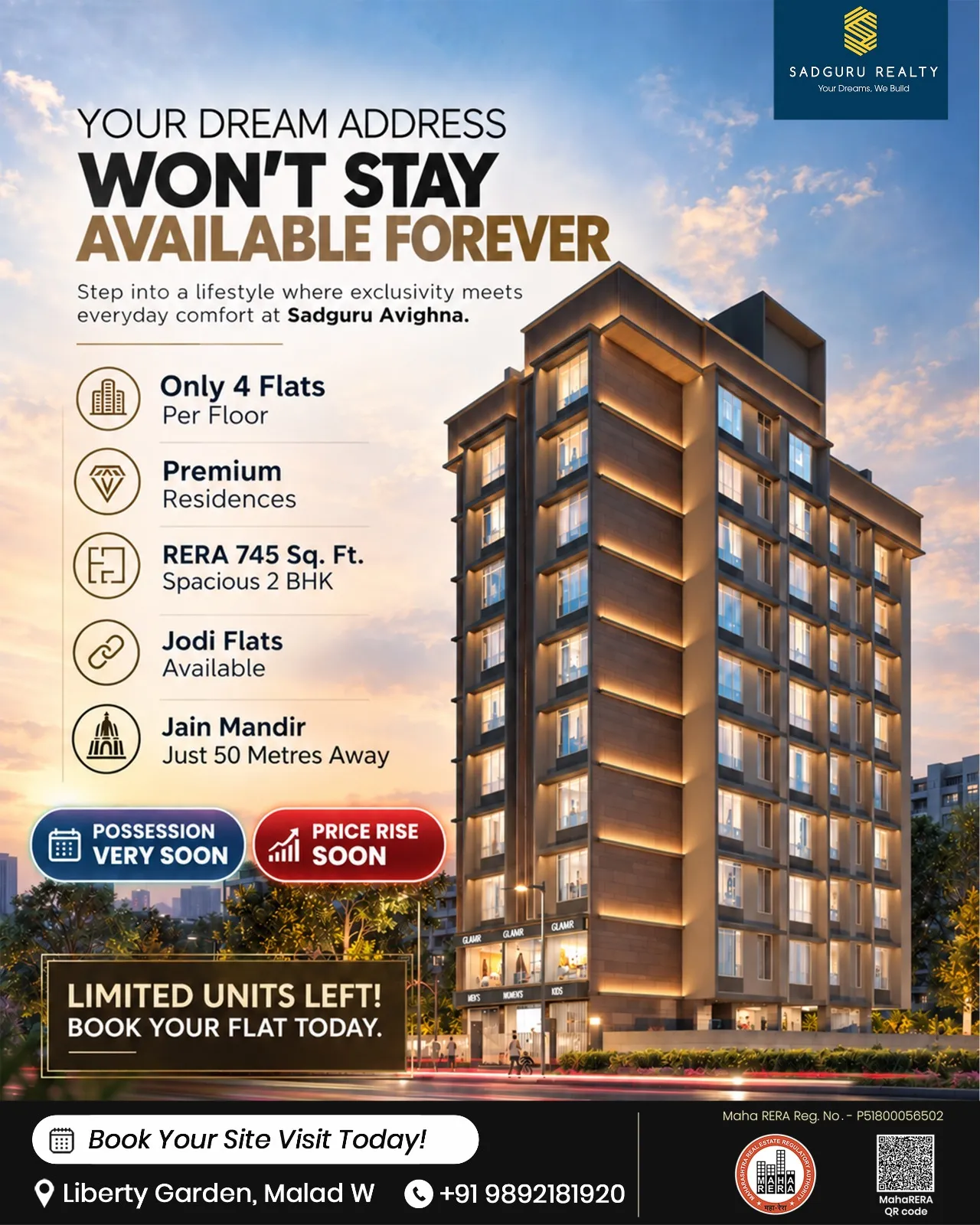
For individuals exploring residential projects in Mumbai, Sadguru Realty can be considered alongside other developers while reviewing available project details, location, amenities, and documented provisions relevant to comfortable and responsible residential living.


























Sign in to leave a comment.