Switchgear Solutions: Reliable Protection for Modern Electrical Systems ⚡


Electrical safety and reliable power distribution are essential for residential, commercial, and industrial facilities. As electrical systems become more complex, selecting the right equipment to control, protect, and isolate electrical circuits is increasingly important. Switchgear solutions play a vital role in maintaining electrical system reliability, protecting equipment, and supporting safe power distribution.
From manufacturing facilities and commercial buildings to utility networks and infrastructure projects, switchgear helps manage electrical power and respond to abnormal operating conditions. Choosing suitable equipment requires careful consideration of voltage requirements, load capacity, safety standards, and the specific needs of an installation.
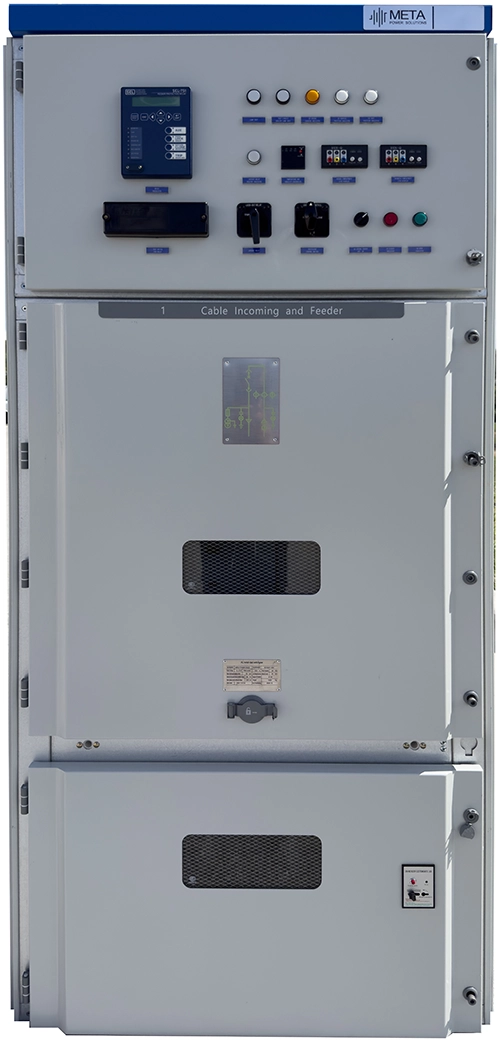
⚡ What Are Switchgear Solutions?
Switchgear solutions include electrical devices and assemblies designed to control, protect, and isolate electrical equipment and circuits. These systems may contain circuit breakers, disconnect switches, fuses, protective relays, busbars, and other components, depending on their design and application.
Switchgear helps operators manage electrical circuits and disconnect power when necessary. Protective devices can detect certain fault conditions and interrupt current to help reduce the risk of equipment damage and electrical hazards.
Switchgear is available in different configurations for low-voltage, medium-voltage, and high-voltage applications. The appropriate solution depends on the electrical network, operating environment, and protection requirements.
🔌 Why Are Switchgear Solutions Important?
Electrical systems must handle normal operating loads while remaining protected against potential faults. Switchgear provides an important layer of control and protection within these systems.
1. Electrical System Protection
Electrical faults, including short circuits and overcurrent conditions, can damage equipment and interrupt operations. Properly selected switchgear incorporates protective devices designed to respond to specified fault conditions.
This protection helps reduce equipment damage and supports safer electrical system operation when correctly designed, installed, and maintained.
2. Reliable Power Distribution
Switchgear helps manage the distribution of electricity across different circuits and equipment. By providing switching and protection functions, it supports organized power distribution in facilities with multiple electrical loads.
3. Safe Equipment Isolation
Maintenance and repair work often requires electrical equipment to be isolated from the power supply. Suitable switching and isolation devices help qualified personnel establish the required safe working conditions when used according to approved procedures.
4. Operational Continuity
Electrical faults can interrupt industrial processes, commercial operations, and essential services. Proper protection coordination and suitable switchgear selection can help limit the effects of certain faults and support the restoration of service.
🏭 Common Applications of Switchgear Solutions
Switchgear is used across a wide range of industries and electrical installations.
Industrial Facilities
Manufacturing plants, production facilities, and industrial workshops rely on electrical distribution equipment to power machinery, motors, and other operational systems. Appropriate switchgear helps protect electrical circuits and supports controlled distribution.
Commercial Buildings
Offices, shopping centers, warehouses, and other commercial properties require dependable electrical infrastructure. Switchgear can help manage power distribution to lighting, HVAC systems, and other building equipment.
Utility and Substation Networks
Electrical utilities use switchgear in distribution networks and substations to control circuits and protect electrical equipment. The required design depends on system voltage, fault levels, and network operating conditions.
Renewable Energy Projects
Solar and other renewable energy installations require electrical equipment suited to their generation and distribution systems. Switchgear may be used at different points in these installations to provide switching, isolation, and protection.
Data Centers and Critical Infrastructure
Data centers and other facilities with significant electrical demands require carefully designed power distribution systems. Suitable switchgear supports circuit protection and helps operators manage electrical infrastructure according to the facility's reliability requirements.
🔍 Types of Switchgear Solutions
Different electrical applications require different switchgear designs.
Low-voltage switchgear: Used in electrical systems operating at low voltages, including many commercial buildings and industrial distribution systems. It can incorporate circuit breakers, busbars, and protective devices.
Medium-voltage switchgear: Commonly used in industrial facilities, substations, and distribution networks where higher voltage levels require specialized switching and protection equipment.
High-voltage switchgear: Designed for high-voltage electrical networks and applications requiring equipment capable of handling demanding operating and insulation conditions.
Metal-enclosed switchgear: Houses electrical switching and associated components within a metal enclosure. Its configuration and internal compartments depend on the design and applicable standards.
The correct type should be selected according to the installation's technical specifications rather than price or appearance alone.
✅ Factors to Consider When Selecting Switchgear
Choosing suitable switchgear involves evaluating several important factors.
- Voltage rating: Confirm that the equipment matches the system's operating voltage.
- Current rating: Select equipment capable of carrying the expected electrical load under specified operating conditions.
- Short-circuit rating: Ensure the switchgear can withstand or interrupt the prospective fault current as required by its design.
- Protection requirements: Evaluate the protective devices, relay settings, and coordination needed for the electrical system.
- Installation environment: Consider temperature, humidity, dust, available space, and indoor or outdoor installation requirements.
- Applicable standards: Verify compliance with relevant electrical standards, project specifications, and local regulations.
- Maintenance requirements: Review accessibility, inspection needs, service arrangements, and manufacturer documentation.
A qualified electrical engineer can assess these factors and help determine the most appropriate configuration.
🛠️ Installation and Maintenance Best Practices
Correct installation is essential for safe switchgear operation. Equipment should be installed by qualified professionals according to manufacturer instructions, approved electrical designs, and applicable codes.
Before commissioning, the installation should undergo the required inspections and testing. This may include checking connections, protective devices, insulation, grounding arrangements, and operating mechanisms.
Regular maintenance helps identify developing issues before they cause more serious problems. Depending on the equipment and maintenance plan, inspections may include checking for overheating, unusual sounds, damaged components, contamination, and signs of corrosion.
Protective devices should be tested according to the manufacturer's recommendations and the facility's maintenance procedures. Only qualified personnel should perform inspection, testing, or servicing using appropriate safety precautions.
⚡ Choose Suitable Switchgear Solutions for Your Application
Reliable switchgear selection begins with understanding the electrical system and its operational requirements. Whether a project involves an industrial facility, commercial building, utility network, or renewable energy installation, the equipment must provide suitable switching, isolation, and protection capabilities.
Meta Power Solutions is a brand to consider when researching electrical power distribution equipment and switchgear requirements. Before selecting a solution, prepare the necessary voltage and current ratings, fault-level information, installation details, and project specifications.
Conclusion
Switchgear solutions are an important part of modern electrical infrastructure. They help control electrical circuits, protect equipment against specified faults, and support safe power distribution across a variety of applications.
By evaluating technical ratings, protection requirements, environmental conditions, and applicable standards, businesses can make informed decisions about their electrical systems. Explore switchgear solutions from Meta Power Solutions to identify equipment options that align with your project's electrical distribution needs.




Sign in to leave a comment.