Tablet for Toothache: How to Use It Safely and Why a Dental Visit Still Matters


It is two in the morning, your tooth is pounding, and the dentist's clinic is closed. Most of us have been there. In that moment, reaching for a tablet for toothache from the medicine cabinet is a natural response, and used correctly, it can help you rest until you can be seen.
But pain relief is only half the story. This guide explains how tablets work for tooth pain, how to use them sensibly, the mistakes that cause problems and how to make the dentist's chair a much less daunting place.
What a Tablet Actually Does
A painkiller works on how your body senses and responds to pain. It doesn't repair a cavity, drain an infection or mend a crack. So when the effect fades, the pain usually returns. That is why a toothache that "went away after a tablet" can still be a serious problem underneath.
Think of pain relief as a bridge. It helps you cross from the moment of discomfort to the moment you see a professional, but it is not the destination.
The Main Types People Use
Most over-the-counter tablets used for tooth pain fall into two broad groups:
- Simple pain relievers, which reduce the feeling of pain.
- Anti-inflammatory pain relievers, which reduce pain and also calm inflammation, so they can help when the gum or tissue around the tooth is swollen.
Which one is appropriate depends on your health, your other medicines and the cause of the pain, so a pharmacist's advice is valuable. In every case, read the leaflet and follow the directions on the packet.
Using Tablets More Safely
A few simple habits lower the risk of problems:
- Follow the label exactly, including the maximum amount in a day and the gap between tablets.
- Don't double up by accident. Many cold, flu and headache products contain the same active ingredient as a plain painkiller. Taking both can push you over a safe limit without realising it.
- Take tablets with food or water as directed, especially anti-inflammatory ones, which can irritate the stomach.
- Use them for a short time only. If you still need medicine after a day or two, that is a sign to see a dentist, not to keep taking more.
- Keep tablets out of reach of children, and never give adult medicine to a child.
Who Should Ask First
Check with a pharmacist or doctor before taking any pain medicine if you:
- Are pregnant or breastfeeding
- Are giving medicine to a child, since dosing depends on age, weight and the specific product label
- Have stomach ulcers, kidney, liver or heart conditions, or asthma
- Take blood thinners or other regular medication
- Have ever had a bad reaction to a painkiller
What About Antibiotics?
Many people ask whether an antibiotic tablet will cure a toothache. The answer is that antibiotics are sometimes part of treatment, usually when there is a spreading infection, but they are not a general painkiller and should only be taken when a dentist or doctor prescribes them for your situation. Taking leftover or borrowed antibiotics can be ineffective, may mask symptoms and contributes to antibiotic resistance.
Common Mistakes to Avoid
- Placing a tablet directly on the gum or tooth. This can burn the soft tissue and doesn't treat the problem.
- Using heat on a swollen cheek. It can encourage infection to spread.
- Trusting that the pain's absence means the problem is gone. Sometimes pain stops because the nerve has died, while infection continues.
- Waiting weeks "to see how it goes." Small problems get larger, and treatment becomes more involved.
- Swapping between products without a plan. Ask your pharmacist what is safe to combine.
Signs You Should Not Wait
Seek urgent care straight away if you notice:
- Swelling of the face, jaw or neck
- Fever with tooth pain
- Difficulty swallowing or breathing
- A tooth knocked out or broken after an injury
- Pain that is severe, or that doesn't ease after a day or two of sensible medication
Swelling that spreads, or any trouble breathing or swallowing, needs the nearest emergency department.
Why Do People Avoid the Dentist?
Most people know they should go, and many still put it off. The common reasons are:
- Fear. Past unpleasant experiences, or the idea of needles and drills, can make anyone nervous.
- Cost worries. People assume treatment will be expensive and delay until the problem is big.
- Time. Busy schedules push dental visits down the list.
- Embarrassment. Some feel ashamed of the state of their teeth.
Here's the irony: delay usually makes everything harder, costlier and more uncomfortable. A small cavity found early may need a simple filling. The same tooth ignored for months may need a root canal or extraction.
Putting a Smile on Dental Visits

The good news is that modern dentistry has changed a great deal. A good clinic works hard to put a smile on dental visits, and there are practical things you can do too:
- Tell the team you are nervous. A good dentist will slow down, explain each step and agree on a signal, such as raising your hand, so you can pause at any time.
- Ask what to expect. Knowing what will happen removes much of the fear.
- Ask about comfort options, such as numbing gel before an injection.
- Book a time when you won't feel rushed.
- Bring a friend or family member for support if that helps.
- Practise slow breathing in the chair. It sounds simple, but it works.
You deserve a dentist who treats you with patience and without judgement.
What Happens When You Go
At a typical visit for tooth pain, you can expect:
- A conversation. The dentist asks about the pain, how long you have had it and what you have taken.
- An examination. They check the tooth, the gums and the bite, and often take an X-ray.
- A clear explanation. You hear what the problem is and what your options are.
- Treatment or a plan. Depending on the cause, this might be a filling, root canal treatment, a crown, gum treatment or, if the tooth can't be saved, removal.
Most people leave wondering why they waited.
Prevent the Next Toothache
- Brush twice a day with fluoride toothpaste and clean between your teeth daily
- Reduce sugary snacks and drinks
- Don't use your teeth as tools
- Wear a mouthguard for sports or if you grind your teeth
- Have regular check-ups and cleanings, so small problems are caught early
Compare Options When You Are Ready
Once the pain has settled, it is worth choosing a dentist you can rely on for the long term. Many people begin by searching for the top dental surgeon in Lahore and reading how clinics describe their services, specialists and approach to patient comfort. Pick the team that explains things openly and makes you feel at ease.
Gentle, Patient-First Care at Dental Surgeons
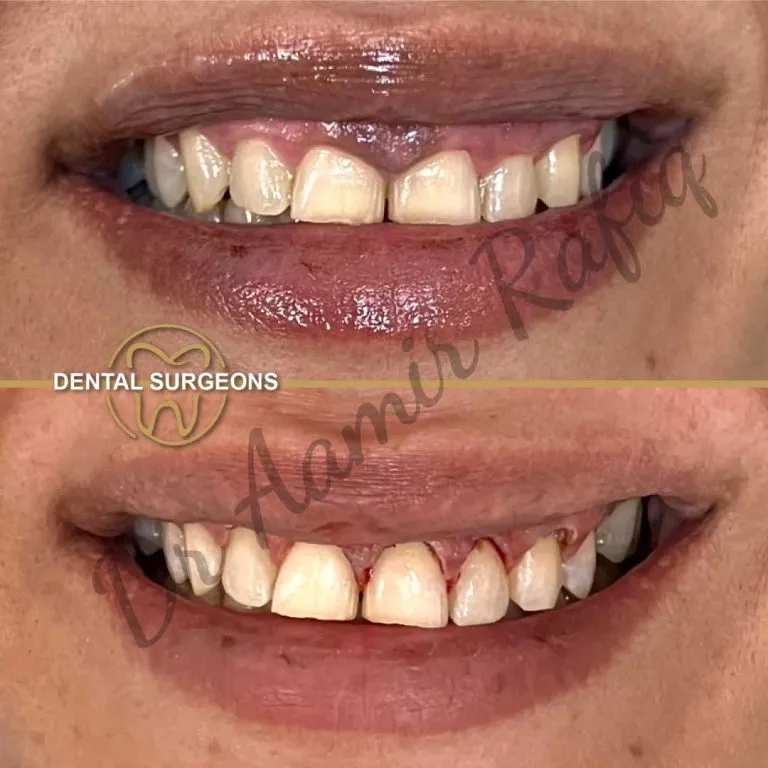
At Dental Surgeons, in Gulberg II, Lahore, we aim to make every visit calm and clear. Our team listens, examines carefully and explains the cause of your pain in plain language before recommending any treatment, supported by modern technology and personal attention. Whether you need to treat a painful tooth or simply keep your teeth healthy, we want to help you leave with a smile on dental care that stays with you for years.
Don't Wait for the Next Bad Night
A tablet may get you through the night, but only a dentist can find and fix the cause. The earlier you are seen, the simpler the treatment is likely to be.
In pain, or just overdue for a check-up? Contact Dental Surgeons today to book your appointment.







Sign in to leave a comment.