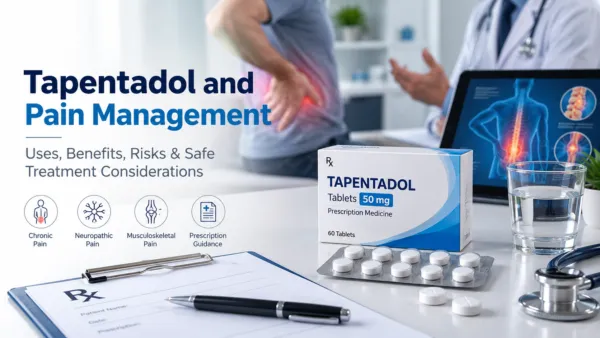

Managing moderate to severe pain can be challenging, particularly when pain interferes with daily activities, sleep, and overall quality of life. Tapentadol 200 mg is a prescription medication used in specific circumstances to help manage certain types of pain. Understanding how this medicine works, its potential risks, and the importance of professional medical guidance can help patients make informed decisions about their treatment.
What Is Tapentadol?
Tapentadol is a prescription opioid analgesic that acts on the central nervous system to help reduce pain. It works through two mechanisms: activating mu-opioid receptors and inhibiting norepinephrine reuptake. These actions influence how the body processes and responds to pain signals.
Healthcare professionals may prescribe tapentadol for certain types of moderate to severe pain, depending on the patient's condition, medical history, and the specific formulation available. The suitability of this medicine varies from person to person, making professional assessment essential before treatment begins.
Understanding Tapentadol 200 mg
Tapentadol is available in different strengths and formulations in some markets. A 200 mg tablet may be an extended-release formulation intended for particular pain-management situations. The precise indication depends on the approved product and local prescribing guidance.
A higher strength does not automatically mean better pain relief or greater suitability. Extended-release medicines are designed to release medication over time and must be used strictly according to the product instructions and the prescribing clinician's advice.
Patients should never increase their dose, change the dosing schedule, crush extended-release tablets, or combine formulations without professional guidance.
Why Medical Supervision Matters
Tapentadol can cause serious adverse effects, including respiratory depression, excessive sedation, dependence, and overdose. The risks may increase when it is combined with alcohol, sleeping tablets, benzodiazepines, or other medicines that slow the central nervous system.
Before prescribing this medication, a healthcare professional should review the patient's symptoms, current medicines, medical history, and potential risk factors. Patients should disclose all prescription medicines, non-prescription products, and supplements they use.
People who experience unusual sleepiness, confusion, or difficulty breathing after taking an opioid require urgent medical attention. Suspected overdose is a medical emergency.
Prescription Requirements When Accessing Medication Online
Online pharmacies can offer convenience, but medication safety must remain the priority. Tapentadol is a controlled prescription medicine in the United Kingdom, and applicable legal requirements must be followed when obtaining it.
Patients should use legitimate, appropriately registered pharmacy services and ensure that any required prescription and clinical assessment are completed. Be cautious of websites that offer controlled medicines without proper checks, make unrealistic medical claims, or fail to provide verifiable pharmacy credentials.
Never purchase medication from an unverified source simply because it advertises a low price or rapid delivery. Products from unauthorized sellers may be counterfeit, incorrectly labelled, contaminated, or unsafe.
Possible Side Effects and Precautions
Common side effects of tapentadol may include nausea, dizziness, drowsiness, constipation, and headache. Serious complications can also occur, particularly in people with certain health conditions or when interacting medicines are involved.
Patients should avoid driving or operating machinery if they feel sleepy, dizzy, or otherwise impaired. Alcohol should be avoided while using tapentadol unless a qualified healthcare professional specifically advises otherwise.
Anyone experiencing severe breathing difficulties, inability to stay awake, or suspected overdose should seek emergency assistance immediately.
Exploring a Safe Pain-Management Plan
Effective pain management may involve more than medication alone. Depending on the underlying condition, a clinician may recommend physiotherapy, appropriate physical activity, psychological support, or other evidence-based treatments.
Patients should discuss their treatment goals and any continuing pain with their healthcare professional rather than adjusting opioid doses independently. If tapentadol is no longer appropriate, a clinician can help determine whether a supervised change in treatment is needed.
Conclusion
Tapentadol 200 mg may have a role in selected pain-management situations, but it requires careful prescribing and responsible use because of its opioid-related risks. Understanding the medication, following professional instructions, and obtaining treatment through legitimate pharmacy channels are essential steps in protecting patient safety.
Anyone considering tapentadol should consult a qualified healthcare professional to determine whether the medicine and its specific formulation are appropriate for their needs. Safe, informed decisions can support more effective pain management while reducing preventable risks.





















Sign in to leave a comment.