Taxi App Development in 2026: Essential Strategies to Build a Successful Ride-Hailing Platform

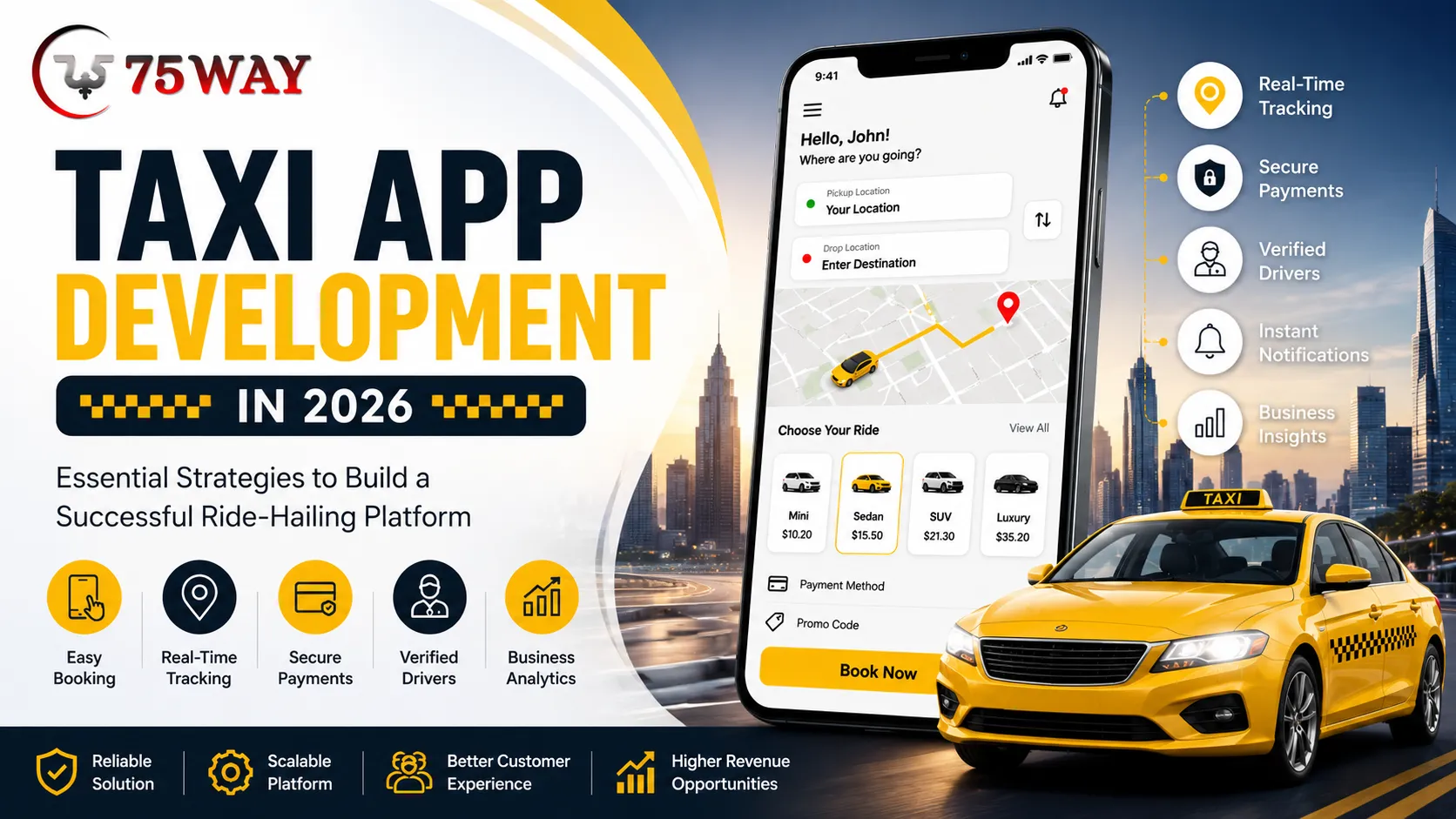
The global transportation industry continues to evolve as businesses embrace digital solutions to meet growing customer expectations. Today, investing in taxi app development is one of the most effective ways for startups, fleet operators, and transportation companies to modernize their services and stay competitive. Customers expect instant ride booking, accurate fare estimates, real-time driver tracking, secure payments, and seamless user experiences. Building a successful taxi platform requires careful planning, scalable technology, and a clear understanding of market demands. Whether you're launching a new ride-hailing startup or digitizing an existing taxi business, this guide explores everything you need to know before starting development.
Digital ride-booking platforms have transformed urban mobility by making transportation more convenient, transparent, and accessible. However, success depends on much more than developing an application. Businesses must create reliable, secure, and feature-rich solutions that benefit passengers, drivers, and administrators alike.
Why Taxi Apps Continue to Dominate Urban Transportation
Modern consumers value convenience above all else. Instead of calling taxi operators or waiting on busy streets, users can now book rides within seconds using their smartphones.
For businesses, digital transportation platforms provide several advantages:
- Increased booking efficiency
- Improved fleet utilization
- Better customer engagement
- Automated dispatch management
- Enhanced driver productivity
- Valuable operational insights
- Greater revenue opportunities
With smartphone adoption continuing to rise, transportation companies that embrace digital transformation gain a significant competitive advantage.
Understanding the Taxi App Ecosystem
A successful ride-hailing platform usually consists of three interconnected applications working together.
Passenger Application
The customer-facing application enables users to:
- Register securely
- Book rides instantly
- View fare estimates
- Track drivers
- Make online payments
- Rate completed trips
- Access booking history
An intuitive passenger experience directly influences customer satisfaction and retention.
Driver Application
Drivers need a dedicated interface to manage their daily activities.
Important driver features include:
- Ride request notifications
- Navigation assistance
- Earnings dashboard
- Trip management
- Availability settings
- Customer communication
A well-designed driver application improves efficiency while increasing completed trips.
Administrative Dashboard
Business owners require complete visibility into platform operations.
Administrative tools generally include:
- Fleet management
- Driver verification
- Customer management
- Pricing controls
- Promotional campaigns
- Financial reporting
- Business analytics
A centralized dashboard enables operators to monitor performance and make informed business decisions.
Essential Features Every Taxi Platform Should Include
Building a successful transportation application begins with selecting the right functionality.
Quick User Registration
Customers expect a simple onboarding experience.
Registration options should include:
- Mobile number
- Google login
- Apple ID
Easy registration encourages higher adoption while maintaining account security.
Intelligent Ride Booking
Booking a ride should be fast and effortless.
Passengers should be able to:
- Select pickup location
- Choose destination
- View estimated fares
- Select vehicle categories
- Schedule future rides
- Confirm bookings
A simplified booking flow improves user satisfaction and reduces abandonment.
Live GPS Tracking
Real-time location services are essential for modern ride-booking platforms.
GPS functionality enables:
- Vehicle tracking
- Accurate ETAs
- Driver navigation
- Route monitoring
- Pickup optimization
Reliable location services improve transparency throughout every trip.
Multiple Vehicle Categories
Different passengers have different transportation needs.
Popular ride categories may include:
- Economy
- Premium
- SUV
- Luxury
- Shared rides
- Business travel
Offering flexible transportation options helps businesses attract a wider customer base.
Secure Digital Payments
Convenient payment experiences improve customer confidence.
Applications should support:
- Credit cards
- Debit cards
- Digital wallets
- Cash
- Corporate billing
Reliable payment processing is a fundamental component of professional Taxi App Development services.
Real-Time Notifications
Keeping users informed throughout the booking process enhances the overall experience.
Useful notifications include:
- Driver assignment
- Vehicle arrival
- Ride completion
- Payment confirmation
- Promotional offers
Relevant communication helps build trust while improving customer engagement.
Fare Calculation System
Pricing transparency remains one of the most important aspects of ride-hailing applications.
Fare calculations typically consider:
- Distance traveled
- Estimated duration
- Traffic conditions
- Vehicle category
- Dynamic pricing
Providing fare estimates before confirmation helps customers make informed decisions.
Artificial Intelligence in Taxi Applications
Artificial Intelligence is reshaping transportation technology.
AI-powered capabilities include:
- Intelligent ride matching
- Demand forecasting
- Predictive pricing
- Customer support chatbots
- Route recommendations
- Fraud prevention
Businesses integrating AI can improve operational efficiency while delivering more personalized user experiences.
Route Optimization
Efficient navigation benefits both passengers and drivers.
Advanced routing systems help:
- Avoid traffic congestion
- Reduce travel time
- Lower fuel consumption
- Increase daily trip volume
Smarter routing contributes to higher customer satisfaction and improved profitability.
Driver Verification and Safety
Passenger trust depends heavily on platform safety.
Driver verification processes often include:
- Identity verification
- Driving license validation
- Vehicle documentation
- Insurance confirmation
- Background verification
Comprehensive verification strengthens platform credibility and user confidence.
Emergency Safety Features
Modern transportation platforms increasingly prioritize passenger security.
Safety capabilities may include:
- Emergency assistance button
- Live ride sharing
- SOS alerts
- Trusted contact notifications
- Trip monitoring
These features provide additional reassurance during every journey.
Analytics for Business Growth
Data enables transportation companies to improve performance continuously.
Analytics dashboards provide insights into:
- Ride demand
- Customer behavior
- Driver productivity
- Revenue performance
- Booking trends
- Peak operating hours
Actionable insights support smarter business decisions and long-term growth.
Technology Stack for Modern Taxi Apps
Technology selection influences application performance, scalability, and maintenance.
Popular frontend technologies include:
- Flutter
- React Native
- Swift
- Kotlin
Backend technologies commonly include:
- Node.js
- Python
- Java
Cloud platforms provide secure infrastructure while supporting automatic scaling and high availability.
An experienced Taxi App Development Company helps businesses select technologies that align with long-term business objectives.
Scalability Is Essential
Transportation businesses often begin in one city before expanding into multiple locations.
Scalable architecture supports:
- Growing driver networks
- Increasing passenger traffic
- Multiple service regions
- Additional ride categories
- Future feature enhancements
Planning for scalability reduces redevelopment costs as the platform grows.
Common Development Challenges
Every transportation platform faces technical and operational challenges.
These may include:
- GPS accuracy
- Real-time synchronization
- Peak demand management
- Driver availability
- Payment processing
- Customer retention
- Data security
Partnering with a reliable Taxi booking App Development Company helps businesses overcome these challenges through proven development strategies.
Mistakes Businesses Should Avoid
Several common mistakes can delay project success.
These include:
- Launching without market research
- Ignoring user experience
- Choosing low-quality development
- Weak security implementation
- Limited scalability planning
- Inadequate testing
Avoiding these issues significantly improves the likelihood of long-term success.
Choosing the Right Development Partner
Selecting the right technology company is one of the most important investment decisions.
Businesses should evaluate:
- Transportation industry expertise
- Portfolio quality
- Technical capabilities
- UI/UX design expertise
- Security practices
- Agile development process
- Long-term support
An experienced taxi app development solution provider should understand both technology and transportation operations.
Companies like 75way Technologies help businesses transform transportation ideas into scalable ride-hailing platforms by combining strategic consulting, modern technologies, quality assurance, and continuous maintenance. Their customer-focused approach ensures every solution is designed for long-term performance and business growth.
Emerging Trends in Taxi App Development
Technology continues shaping the future of digital transportation.
Electric Vehicle Integration
Many transportation businesses now support electric vehicle fleets to promote sustainability.
Artificial Intelligence
AI improves dispatching, predictive demand analysis, dynamic pricing, and customer support.
Voice-Based Ride Booking
Voice assistants simplify the booking process while improving accessibility.
Smart City Integration
Future ride-hailing platforms will increasingly connect with intelligent transportation infrastructure and traffic management systems.
Businesses adopting these innovations today are better positioned to compete in tomorrow's transportation market.
Conclusion
The future of transportation is increasingly digital, making taxi app development a valuable investment for businesses seeking long-term growth. Success depends on combining intuitive user experiences, reliable technology, robust security, scalable architecture, and continuous innovation.
Whether you're building a platform for local taxi operators or launching a global ride-hailing service, partnering with experienced professionals can significantly improve project outcomes. Companies like 75way Technologies help businesses develop secure, scalable, and feature-rich transportation platforms that meet evolving customer expectations while supporting sustainable business expansion.
Frequently Asked Questions (FAQs)
1. What are the essential features of a taxi booking application?
A modern taxi application should include user registration, ride booking, GPS tracking, fare estimation, secure payments, ride scheduling, driver ratings, notifications, and an administrative dashboard.
2. How long does taxi app development typically take?
Development timelines depend on project complexity. A standard solution may take 3–5 months, while enterprise-level transportation platforms with advanced features often require 6–12 months.
3. Why is GPS integration important in ride-hailing applications?
GPS enables accurate driver tracking, route optimization, estimated arrival times, and efficient navigation, creating a better experience for both passengers and drivers.
4. How does Artificial Intelligence improve taxi applications?
AI enhances transportation platforms through intelligent ride matching, dynamic pricing, predictive demand forecasting, fraud detection, route optimization, and automated customer support.
5. How do I choose the right Taxi App Development Company?
Look for a company with proven transportation industry experience, strong technical expertise, a quality portfolio, scalable development practices, transparent communication, comprehensive testing, and reliable post-launch support.






Sign in to leave a comment.