


A confident smile can influence how you feel, communicate, and present yourself. For people who are unhappy with the appearance of chipped, stained, uneven, or misshapen teeth, teeth veneers can offer a way to improve the look of their smile while maintaining a natural appearance. But veneers are more than simply a cosmetic upgrade. Understanding how they work, who may benefit from them, and what the process involves can help you decide whether they are the right option for your dental needs.
What Are Teeth Veneers?
Teeth veneers are thin, custom-made shells designed to cover the front surface of teeth. They are typically made from porcelain or dental composite materials and are carefully shaped and matched to complement the patient's existing teeth.
Unlike treatments that replace an entire tooth, veneers primarily address the visible surface. This makes them a popular option for people looking to improve specific cosmetic concerns while preserving much of the natural tooth structure.
What Can Dental Veneers Correct?
One reason veneers have become popular in cosmetic dentistry is their versatility. Depending on your individual situation, they may help improve the appearance of:
- Discolored or deeply stained teeth
- Small chips and cracks
- Slightly uneven or irregularly shaped teeth
- Minor gaps between teeth
- Teeth that appear worn down
- Mild variations in tooth size
- Certain cosmetic imperfections that do not respond well to whitening
Veneers can also be designed to create a more balanced appearance across the smile. However, they are not suitable for every dental problem, and a dentist should evaluate your teeth and overall oral health before treatment.
What Is the Veneer Process Like?
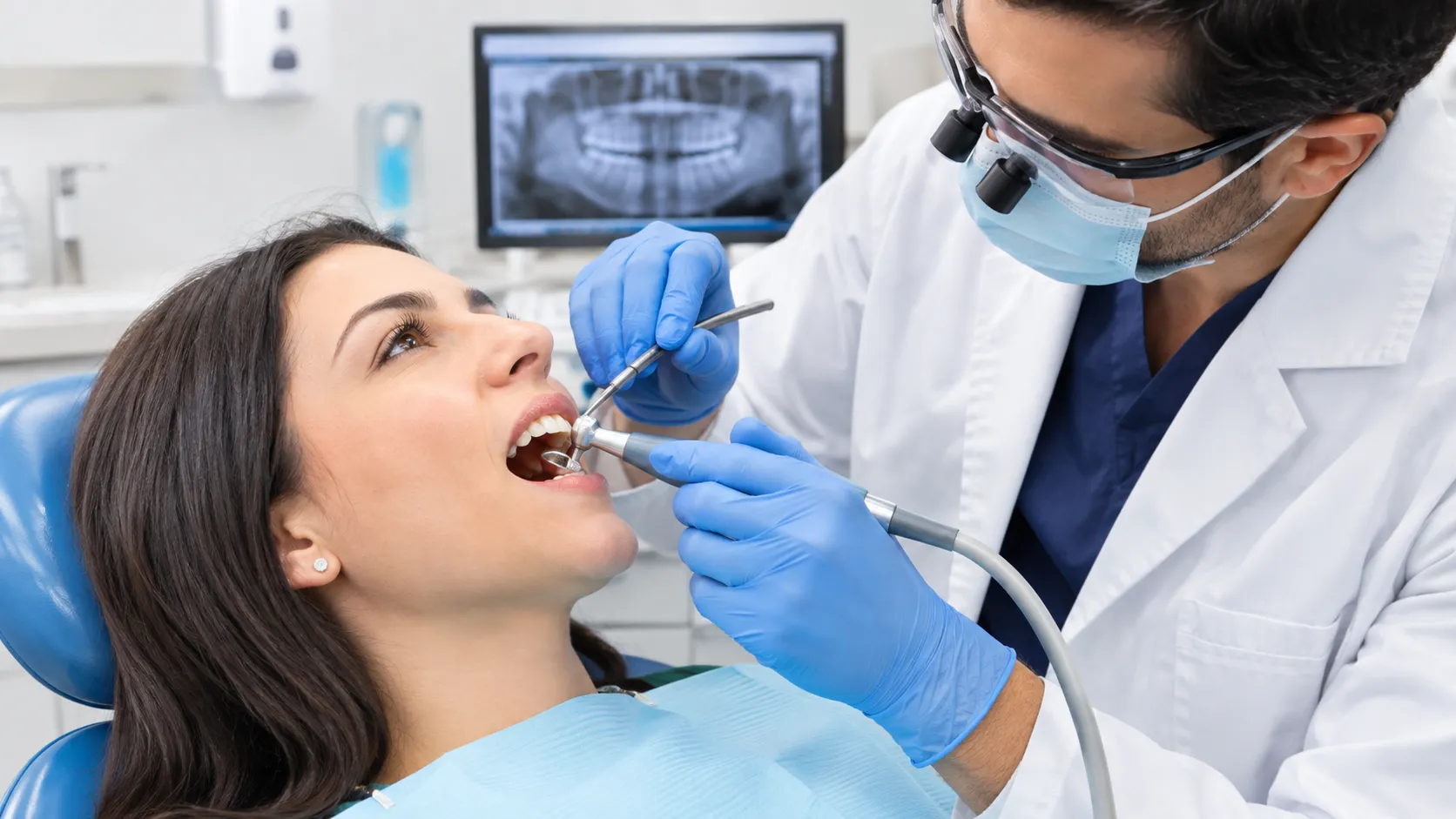
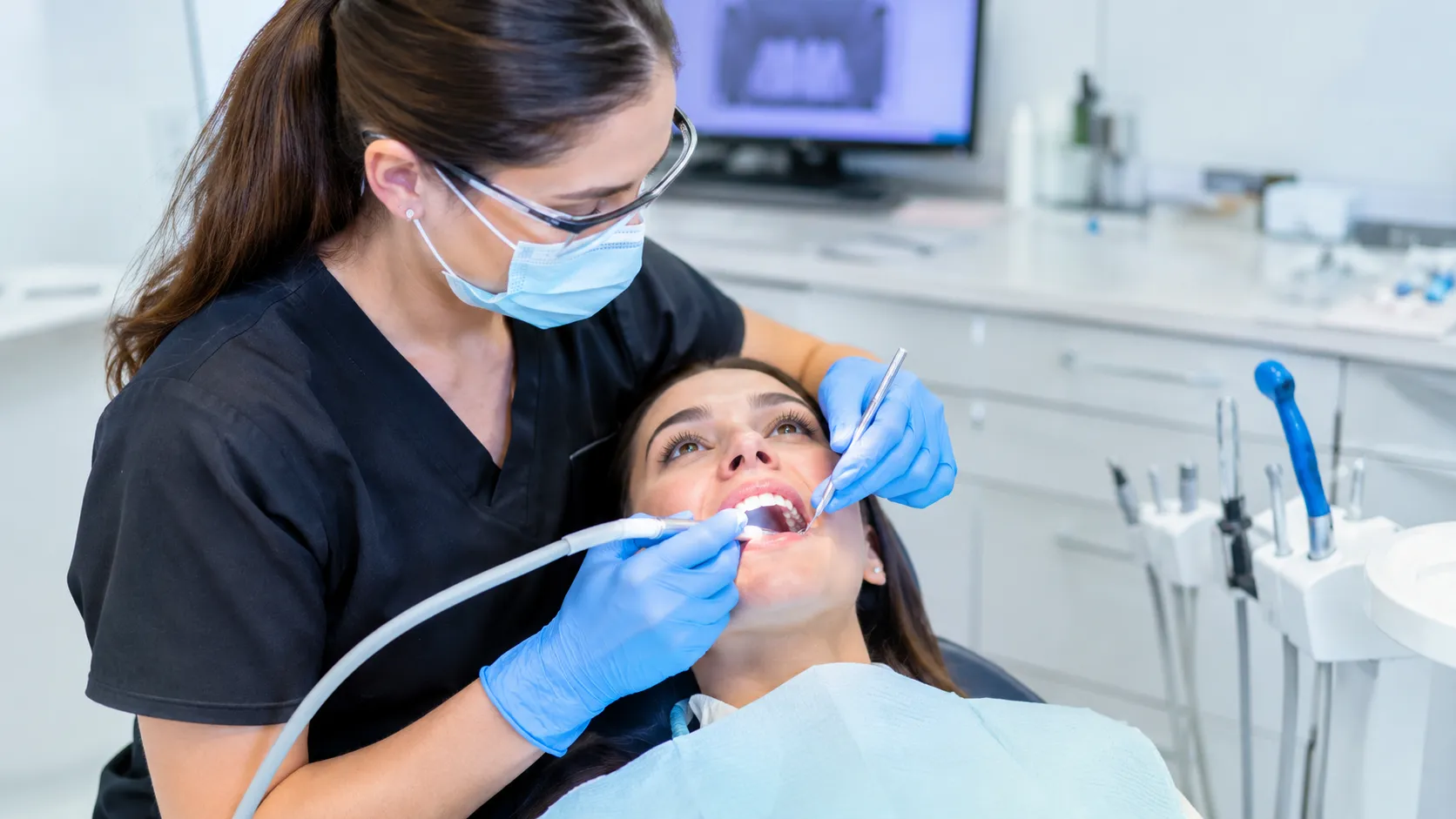
The process usually begins with a consultation. Your dentist will examine your teeth, gums, bite, and overall oral health to determine whether veneers are appropriate.
If you are a suitable candidate, your dentist will discuss your desired results and help determine an appropriate shape, shade, and overall appearance. Depending on the type of veneer selected, a small amount of enamel may need to be removed to accommodate the restoration.
The veneers are then custom-made to fit your teeth. During the final appointment, the dentist checks their fit, appearance, and bite before bonding them securely to the teeth.
The goal is not simply to create whiter teeth, but to produce a smile that looks proportionate and natural.
Are Veneers Permanent?
Veneers are considered a long-term cosmetic dental treatment, but they are not indestructible. Their lifespan depends on factors such as the material used, oral hygiene, eating habits, bite forces, and regular dental care.
Good daily brushing and flossing, routine dental examinations, and avoiding habits such as biting hard objects can help protect them. Your dentist can also provide specific recommendations based on your treatment.
Who Is a Good Candidate for Veneers?
Veneers may be appropriate for adults with healthy teeth and gums who want to address cosmetic concerns. However, untreated cavities, significant gum disease, severe enamel damage, or certain bite problems may need to be addressed before veneers are considered.
A consultation is important because cosmetic dentistry should be planned around your oral health, not just your desired appearance.
Are Teeth Veneers Right for You?
Choosing veneers is a personal decision. While they can dramatically improve the appearance of a smile, they require professional planning and proper maintenance. If you are considering teeth veneers search porcelain veneers near me on the internet & speak with a qualified dentist about your goals, expectations, oral health, and available treatment options. A personalized assessment can help you understand whether veneers are appropriate and what type of result you can realistically expect. A beautiful smile is not about achieving perfection. The best cosmetic dental treatment is one that complements your natural features while supporting a healthy, confident smile.

















Sign in to leave a comment.