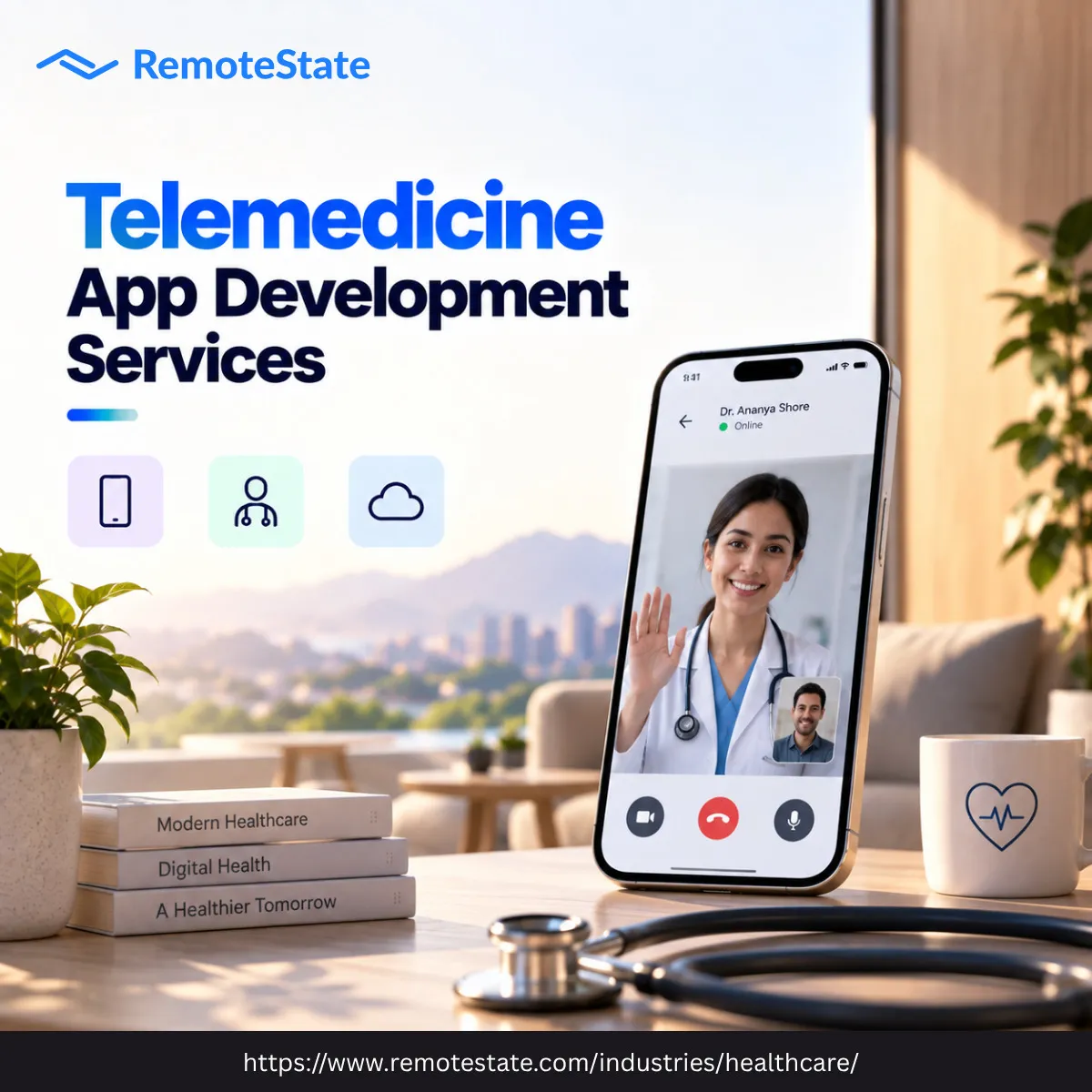

A telemedicine platform in 2026 needs to be much more than a video call bolted onto an app. Patients expect more, regulators watch more closely, and the technical bar has risen across the board.
Knowing what actually goes into a successful Telemedicine App development project is what separates a platform that works from one that quietly fails once real patients start relying on it.
Core Features That Actually Matter
A telemedicine app needs more than a video call button to be genuinely useful. Both patients and providers need tools built around how they actually work.
Patient-Facing Capabilities
Patients expect secure appointment scheduling, digital health record access, and prescription tracking. They also want to message a provider without waiting for a scheduled call.
Symptom reporting tools and personalized health dashboards are now standard expectations, not premium add-ons.
Provider-Facing Capabilities
Providers need clinical decision support tools, diagnostic data visualization, and treatment history tracking built directly into their workflow.
A platform that only handles the patient video experience, while leaving providers to manage everything else manually, creates friction. That friction eventually shows up as poor adoption.
Where Most Telemedicine Projects Run Into Trouble
Most telemedicine builds don’t fail because of the interface. They fail in three areas that are easy to underestimate during planning.
Compliance Complexity
HIPAA compliance is the baseline. Depending on what the platform does, GDPR, FDA, and HITRUST requirements may also apply.
Teams offering Telemedicine App development services without mapping compliance from day one usually find the gaps during an audit instead of during planning. That is a far more expensive time to find them.
EHR and EMR Integration
Connecting a new telemedicine platform to existing electronic health record systems rarely goes as smoothly as expected. Different EHR systems behave differently once they’re in production.
An integration that runs perfectly in a sandbox can still fall apart the moment real patient data starts flowing through it.
Video Infrastructure Reliability
WebRTC and similar real-time communication tools need to hold up on a patient’s actual home internet connection, not just in a controlled test environment.
A dropped call during a routine check-in is annoying. A dropped call during a mental health crisis session is an entirely different kind of failure.
Considerations Before Committing to a Build
Before signing off on development, get clear answers to these four questions:
- Which compliance frameworks apply? Map them to your platform’s actual functions instead of assuming HIPAA alone covers everything.
- Does your provider have real EHR experience? Specifically with the systems your target healthcare organizations actually use.
- How does the platform handle connectivity issues? Failure recovery during a live consultation matters as much as the happy path.
- What does post-launch support look like? Compliance requirements and security threats keep evolving long after deployment.
Building a Platform That Actually Holds Up
The businesses that succeed with telemedicine platforms plan for compliance, integration complexity, and real-world reliability from the start. They don’t treat these as problems to solve later once the interface already looks polished.
If you’re planning your next telemedicine build, RemoteState works with healthcare organizations to work through these considerations before development begins, so the platform holds up once real patients and providers depend on it.
For reading the full article — https://www.remotestate.com/blog/telemedicine-app-development-company/



























Sign in to leave a comment.