

Objectives
- Explain what a temperature data logger is and how it works.
- Help readers understand where temperature data loggers are commonly used.
- Explain the main features to consider before choosing a logger.
- Highlight the benefits of automated temperature monitoring.
- Help businesses select the right temperature data logger for their specific needs.
Key Takeaways
- A temperature data logger automatically records temperature readings over a selected period.
- It can help businesses monitor temperature-sensitive products, equipment, and environments.
- Data loggers are used across industries such as healthcare, food, pharmaceuticals, laboratories, manufacturing, and logistics.
- Different models offer features such as USB connectivity, wireless monitoring, alarms, memory storage, and multiple sensors.
- Choosing the right logger depends on factors such as temperature range, accuracy, recording interval, storage capacity, and application.
Introduction
Temperature can have a major impact on products, equipment, materials, and processes. In industries where temperature needs to remain within a specific range, manually checking and recording temperatures may not provide enough information.
A temperature data logger provides a practical way to monitor and record temperature automatically. It collects readings at regular intervals and stores the information for later review and analysis.
Whether you need to monitor a cold storage facility, pharmaceutical shipment, laboratory environment, warehouse, or manufacturing process, a temperature data logger can provide a continuous record of temperature conditions.
This guide explains how temperature data loggers work, their applications, important features, and what to consider when selecting one.
Table of Contents
- What Is a Temperature Data Logger?
- How Does a Temperature Data Logger Work?
- Where Are Temperature Data Loggers Used?
- What Are the Benefits of Using a Temperature Data Logger?
- What Features Should You Look for in a Temperature Data Logger?
- How Do You Choose the Right Temperature Data Logger?
- Why Is Calibration Important for Temperature Data Loggers?
- How Can Temperature Data Help Improve Monitoring?
- Frequently Asked Questions
What Is a Temperature Data Logger?
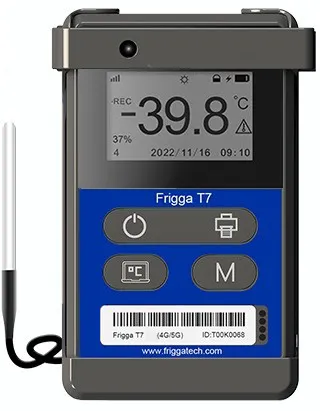
A temperature data logger is an electronic device designed to measure and record temperature at predetermined intervals. Depending on the model, it can store hundreds, thousands, or even more temperature readings.
Unlike a basic thermometer, which generally shows the current temperature, a data logger creates a historical record. This makes it easier to identify temperature changes, fluctuations, and periods when conditions moved outside an acceptable range.
Some temperature data loggers are standalone devices, while others connect to computers, mobile devices, or cloud-based monitoring systems.
How Does a Temperature Data Logger Work?
A temperature data logger typically uses a temperature sensor to measure the surrounding temperature. The device records the measurement according to a programmed recording interval.
For example, a logger can be configured to record a temperature reading every minute, every five minutes, or at another selected interval.
The basic process usually involves:
- Setting up the logger: Configure the recording interval and other settings.
- Placing the device: Position it in the area, container, vehicle, or equipment that needs monitoring.
- Recording temperature: The sensor measures temperature continuously or at programmed intervals.
- Storing data: Readings are saved in the logger's internal memory or transmitted wirelessly.
- Reviewing results: Users download or access the recorded data to identify temperature trends and changes.
The exact features and operating process vary between different models.
Where Are Temperature Data Loggers Used?
Temperature data loggers can be useful anywhere temperature conditions need to be monitored over time.
Food and Beverage
Food businesses may use temperature monitoring devices in refrigerators, freezers, storage areas, and transportation environments. Consistent monitoring can help businesses identify temperature changes that may affect product quality or storage conditions.
Pharmaceutical and Healthcare
Temperature-sensitive medicines, vaccines, biological materials, and other healthcare products may require controlled storage and transportation. Data logging provides a record of the conditions experienced during monitoring.
Laboratories
Laboratories often need controlled environmental conditions for samples, experiments, and sensitive materials. Temperature loggers can provide ongoing records rather than relying only on occasional manual checks.
Warehousing and Storage
Warehouses can use temperature monitoring to track conditions in storage areas where products may be sensitive to heat or cold.
Manufacturing
Manufacturing processes may require temperature monitoring for equipment, materials, production areas, or specific processes.
Transportation and Cold Chain
During transportation, temperature conditions can change due to weather, vehicle conditions, loading practices, or equipment problems. A temperature data logger can record conditions throughout a journey.
What Are the Benefits of Using a Temperature Data Logger?
Continuous Monitoring
A logger can collect readings automatically at regular intervals, reducing the need for repeated manual measurements.
Historical Temperature Records
Stored data provides a history of temperature conditions. This can be useful when investigating changes, identifying patterns, or reviewing storage and transportation conditions.
Better Visibility
Regular data collection makes it easier to see whether temperatures remained stable or experienced significant fluctuations.
Reduced Manual Work
Automated recording can save time compared with manually writing down temperature readings throughout the day.
Easier Reporting
Many modern data loggers allow recorded information to be downloaded or transferred into software for analysis and reporting.
Early Identification of Problems
Some models provide alarms when temperatures move beyond configured limits. This can help users respond more quickly to potential issues.
What Features Should You Look for in a Temperature Data Logger?
Not every application requires the same type of device. Consider the following features when comparing temperature data loggers.
Temperature Range
Check that the logger can operate accurately across the temperature range required for your application.
Accuracy
Temperature accuracy is important when decisions depend on reliable measurements. Look for a device with specifications suitable for your monitoring requirements.
Recording Interval
The recording interval determines how frequently temperature readings are stored. Select an interval that provides enough information for your application without unnecessarily using storage capacity.
Memory Capacity
Consider how many readings need to be recorded before the data is downloaded or the device is reset.
Connectivity
Some devices use USB connections, while others may support Bluetooth, Wi-Fi, or other wireless technologies. Your choice will depend on how you want to access and transfer data.
Battery Life
For long-term monitoring or transportation applications, battery life can be an important consideration.
Alarm Function
An alarm feature can notify users when the temperature moves outside a defined range, depending on the logger's capabilities.
Software and Data Access
Check how easily the recorded data can be viewed, exported, analysed, and stored.
How Do You Choose the Right Temperature Data Logger?
The right temperature data logger depends on the environment and monitoring requirements.
Before purchasing one, consider:
- What temperature range needs to be monitored?
- How accurate do the measurements need to be?
- How long will the monitoring period last?
- How often should readings be recorded?
- How much data needs to be stored?
- Is remote or wireless monitoring required?
- Will the logger be used indoors, outdoors, in storage, or during transportation?
- Are alarms required?
- Does the application require calibration or specific compliance documentation?
Answering these questions can help narrow down the available options and avoid choosing a device that does not meet your requirements.
Why Is Calibration Important for Temperature Data Loggers?
Calibration helps verify that a temperature measuring device is providing readings within its specified accuracy.
Over time, sensors and measuring equipment can experience changes that may affect their performance. Regular calibration, where appropriate for the application, can help maintain confidence in recorded temperature data.
The required calibration process and frequency can vary depending on the device, application, operating environment, and quality requirements.
For applications involving sensitive products or regulated processes, it is important to follow the relevant manufacturer's recommendations and applicable industry requirements.
How Can Temperature Data Help Improve Monitoring?
Can Recorded Temperature Data Help You Find Problems Earlier?
Yes. Historical temperature information can reveal patterns that may not be visible through occasional manual checks.
For example, recorded data may show that a storage area regularly becomes warmer at a particular time of day. It may also help identify unexpected temperature changes during transportation or equipment operation.
By reviewing this information, businesses can investigate possible causes and make informed adjustments to their monitoring processes.
Looking for a reliable way to monitor temperature conditions? Choosing a temperature data logger based on your required range, accuracy, recording interval, connectivity, and monitoring environment can make temperature tracking more practical and consistent.
From Temperature Readings to Better Monitoring
A temperature data logger does more than record numbers. It creates a useful history of environmental conditions that can support better monitoring and decision-making.
From cold-chain transportation and food storage to laboratories, healthcare, warehouses, and manufacturing environments, these devices can provide valuable visibility into temperature changes over time.
The key is to select a logger that matches the requirements of your specific application. Consider accuracy, temperature range, recording frequency, memory, connectivity, battery life, and calibration needs before making a decision.
With the right temperature monitoring solution, businesses can reduce manual recording, identify temperature variations, and maintain clearer records of their operating conditions.
Final CTA
Need a dependable way to record and monitor temperature conditions?
Explore temperature data logging solutions designed for your specific monitoring requirements. Choose the right device based on your application, required temperature range, accuracy, connectivity, and recording needs.
Get in touch with a temperature monitoring specialist today to find a solution that fits your requirements.
Frequently Asked Questions
1. What is a temperature data logger used for?
A temperature data logger is used to automatically measure and record temperature over a selected period. It can be used in storage, transportation, laboratories, healthcare, food, manufacturing, and other environments.
2. What is the difference between a thermometer and a temperature data logger?
A thermometer generally provides a current temperature reading, while a temperature data logger records temperature measurements over time. This allows users to review historical temperature data.
3. How often does a temperature data logger record temperature?
The recording interval depends on the model and its configuration. Some loggers can be programmed to record readings at intervals such as every minute, five minutes, or longer.
4. Do temperature data loggers need calibration?
Calibration requirements depend on the device and its intended application. For applications where measurement accuracy is important, following the manufacturer's calibration recommendations and relevant industry requirements is advisable.
5. How do I choose the right temperature data logger?
Consider the required temperature range, measurement accuracy, recording interval, memory capacity, battery life, connectivity, alarm functions, environmental conditions, and any industry-specific requirements before selecting a logger.

























Sign in to leave a comment.