
Tennis elbow is a common condition that causes pain and tenderness around the outer part of the elbow. Despite its name, it does not affect only tennis players. Office workers, manual workers, fitness enthusiasts, and individuals who perform repetitive arm movements can also develop this condition. The discomfort may make everyday activities such as lifting a cup, gripping objects, typing, carrying bags, or turning a door handle increasingly difficult.
Seeking appropriate Tennis Elbow Treatment Dubai services can help individuals understand the cause of their symptoms and explore effective ways to improve arm function. Physiotherapy plays an important role in many cases by helping patients manage discomfort, rebuild strength, improve movement, and gradually return to their usual activities.
Vitruvian Italian Physiotherapy Center serves as a reference for individuals exploring physiotherapy to support rehabilitation and long-term physical wellbeing. With an individualised treatment plan, patients can work towards improved elbow function and greater confidence when performing daily tasks.
Understanding tennis elbow, following suitable rehabilitation guidance, and maintaining consistent exercise habits can all contribute to a more structured recovery process.
Understanding Tennis Elbow and Its Causes
Tennis elbow, medically known as lateral elbow tendinopathy, affects the tendons that attach the forearm muscles to the outer part of the elbow. These muscles help extend the wrist and fingers and contribute to gripping, lifting, and controlling objects.
Repeated loading of these tendons can contribute to pain and reduced tolerance for everyday activities. The condition may develop gradually when the arm is exposed to repetitive movements or workloads that exceed its current capacity.
Common contributing activities include:
- Repeated gripping or lifting.
- Frequent wrist extension during work.
- Playing tennis, badminton, or other racket sports.
- Using hand tools for extended periods.
- Repetitive computer or mouse use.
- Performing unfamiliar exercises involving the forearm.
- Carrying heavy objects with the wrist in an awkward position.
Tennis elbow does not necessarily develop because a person plays sports. Occupational activities and routine household tasks can also place repeated demands on the forearm muscles and tendons.
Symptoms may begin as mild discomfort during activity and gradually become more noticeable. Some individuals experience pain when gripping objects, lifting items with the palm facing down, or extending the wrist against resistance.
An appropriate assessment helps distinguish tennis elbow from other conditions that may cause elbow or forearm pain.
Recognising the Symptoms of Tennis Elbow
Recognising the symptoms early can help individuals understand when professional assessment may be useful. Tennis elbow often develops gradually, and discomfort may initially appear only during particular activities.
Common symptoms include:
- Pain or tenderness around the outer elbow.
- Discomfort when gripping or holding objects.
- Pain when lifting a kettle, cup, or shopping bag.
- Weakness when turning a handle or opening a jar.
- Increased discomfort during repetitive wrist movements.
- Pain when extending the wrist against resistance.
- Reduced ability to perform work or sports activities comfortably.
Symptoms can vary according to the severity and duration of the condition. Some individuals experience pain only during demanding activities, while others find that relatively light tasks can aggravate their symptoms.
Persistent elbow pain should not automatically be assumed to be tennis elbow. A healthcare professional can assess the affected area, review the patient's activities, and determine whether further investigation is necessary.
Early recognition also provides an opportunity to review repetitive movements and adjust activities that may be contributing to the problem.
How Tennis Elbow Treatment Dubai Supports Long-Term Recovery
Effective rehabilitation focuses on more than temporary symptom relief. It aims to improve the affected tendon's ability to tolerate everyday loads while helping patients regain strength and confidence in arm movements.
A personalised Tennis Elbow Treatment Dubai programme may involve an assessment of symptoms, activity modification, progressive strengthening, and education about managing physical demands.
The treatment approach depends on the patient's symptoms, work requirements, activity level, and recovery goals.
Important treatment objectives may include:
- Reducing discomfort during daily activities.
- Improving grip strength and wrist control.
- Gradually rebuilding forearm muscle capacity.
- Improving tolerance for repetitive movements.
- Supporting a return to sports and work.
- Identifying activities that aggravate symptoms.
- Developing sustainable exercise habits.
For example, a person who develops elbow pain from computer work may need adjustments to repetitive tasks alongside strengthening exercises. A racket-sport player may require a programme that addresses forearm strength, equipment-related factors, and the gradual return to training.
Treatment should be adapted as the patient progresses. Exercises that are appropriate during early rehabilitation may become less challenging over time, allowing the programme to advance towards more demanding activities.
The Role of Physiotherapy in Tennis Elbow Rehabilitation
Physiotherapy can help many people with tennis elbow improve function and gradually return to their normal activities. Treatment usually combines education, suitable exercise, and other techniques selected according to the patient's needs.
At Vitruvian Italian Physiotherapy Center, physiotherapy can be considered as part of an individualised approach to rehabilitation, movement, and physical recovery.
Initial Assessment and Treatment Planning
An initial assessment helps establish the nature of the symptoms and how they affect daily life. The physiotherapist may ask about work activities, sports participation, symptom duration, and movements that aggravate discomfort.
The examination may include checking elbow movement, wrist strength, grip function, and tenderness around the affected tendon.
This information helps guide the treatment plan and identify whether medical assessment is needed before rehabilitation continues.
Therapeutic Exercise
Progressive exercise is an important part of tennis elbow management. Depending on the patient's condition, exercises may focus on wrist extension, forearm strength, grip control, and the gradual development of load tolerance.
The resistance, repetitions, and frequency should be adjusted according to symptoms and functional progress.
Activity Modification
Temporarily reducing or modifying aggravating activities can help manage symptoms while rehabilitation begins. This does not necessarily mean avoiding all arm movement.
Instead, patients may need to change how they lift objects, reduce repetitive gripping, adjust work tasks, or temporarily modify sports training.
Manual Therapy
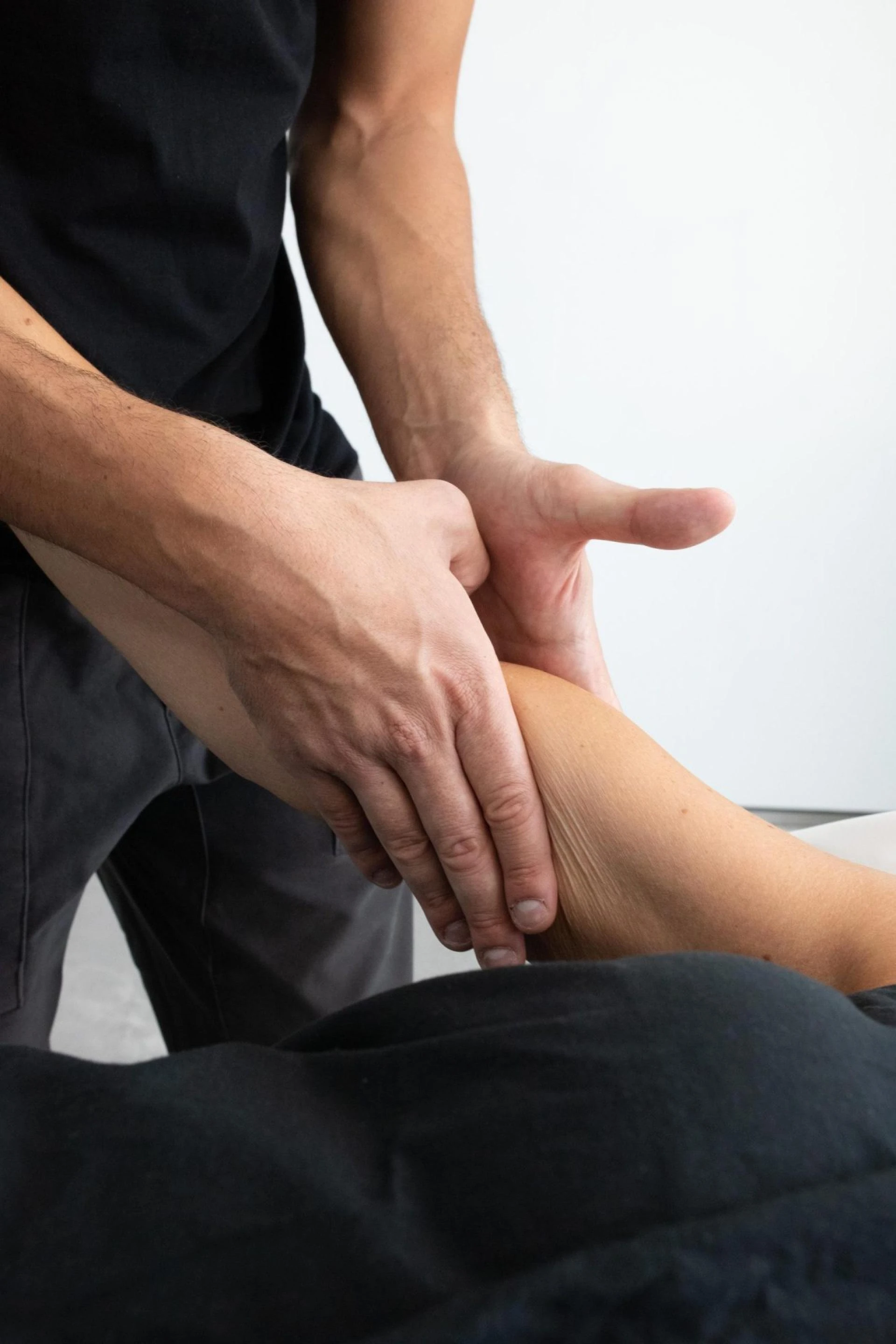
A physiotherapist may use appropriate hands-on techniques to help manage discomfort or improve movement. These methods may complement exercise-based rehabilitation, although they should not replace the broader process of rebuilding strength and functional capacity.
Progress Monitoring
Regular reviews help determine whether the treatment programme is meeting its goals. The physiotherapist may adjust exercises, activity recommendations, or rehabilitation progression based on the patient's response.
Exercises That May Help Improve Elbow Strength
Exercise can help improve the strength and load tolerance of the forearm muscles and tendons affected by tennis elbow. However, the most suitable exercises depend on the severity of symptoms and the individual's physical requirements.
A physiotherapist can recommend an appropriate programme and demonstrate how to perform each movement correctly.
Wrist Extension Exercises
Wrist extension exercises target the muscles involved in lifting the hand backwards. Depending on the patient's condition, strengthening may begin with gentle resistance and progress gradually.
The movement should be controlled, and the resistance should match the patient's current abilities.
Grip Strengthening
Tennis elbow can affect gripping activities such as carrying bags, holding tools, or opening containers. Carefully selected grip exercises may help improve functional strength.
The starting resistance should be manageable. Excessive gripping or repeated squeezing that significantly aggravates symptoms should be avoided.
Forearm Rotation Exercises
The forearm rotates when the palm turns upwards or downwards. Exercises that practise these movements may be included when appropriate for the patient's condition and functional goals.
Gentle Stretching
Some patients benefit from gentle stretching of the forearm muscles. Stretching should remain comfortable and should not force the elbow or wrist into painful positions.
Functional Strengthening
As symptoms improve, rehabilitation may progress towards activities that resemble the patient's everyday tasks. This might involve controlled lifting, carrying, or practising work-related movements with appropriate resistance.
The aim is to prepare the arm for real-life demands rather than relying solely on isolated exercises.
Managing Tennis Elbow During Work and Daily Activities
Everyday activities can place repeated demands on the forearm, particularly when they involve gripping, lifting, or wrist movements. Making practical adjustments may help individuals continue essential tasks while managing symptoms.
Adjusting Computer Work
People who use computers for extended periods may benefit from reviewing their mouse position, desk arrangement, and wrist movements. Taking short breaks and alternating tasks can help reduce prolonged repetitive loading.
Modifying Lifting Techniques
Holding heavy objects away from the body or lifting with the wrist in an awkward position can increase the demands placed on the forearm. Keeping objects close to the body and using comfortable, controlled movements may help reduce unnecessary strain.
Managing Repetitive Tasks
Individuals who perform manual work may need to adjust task duration, use appropriate tools, or alternate between activities when possible.
Returning to Sports Gradually
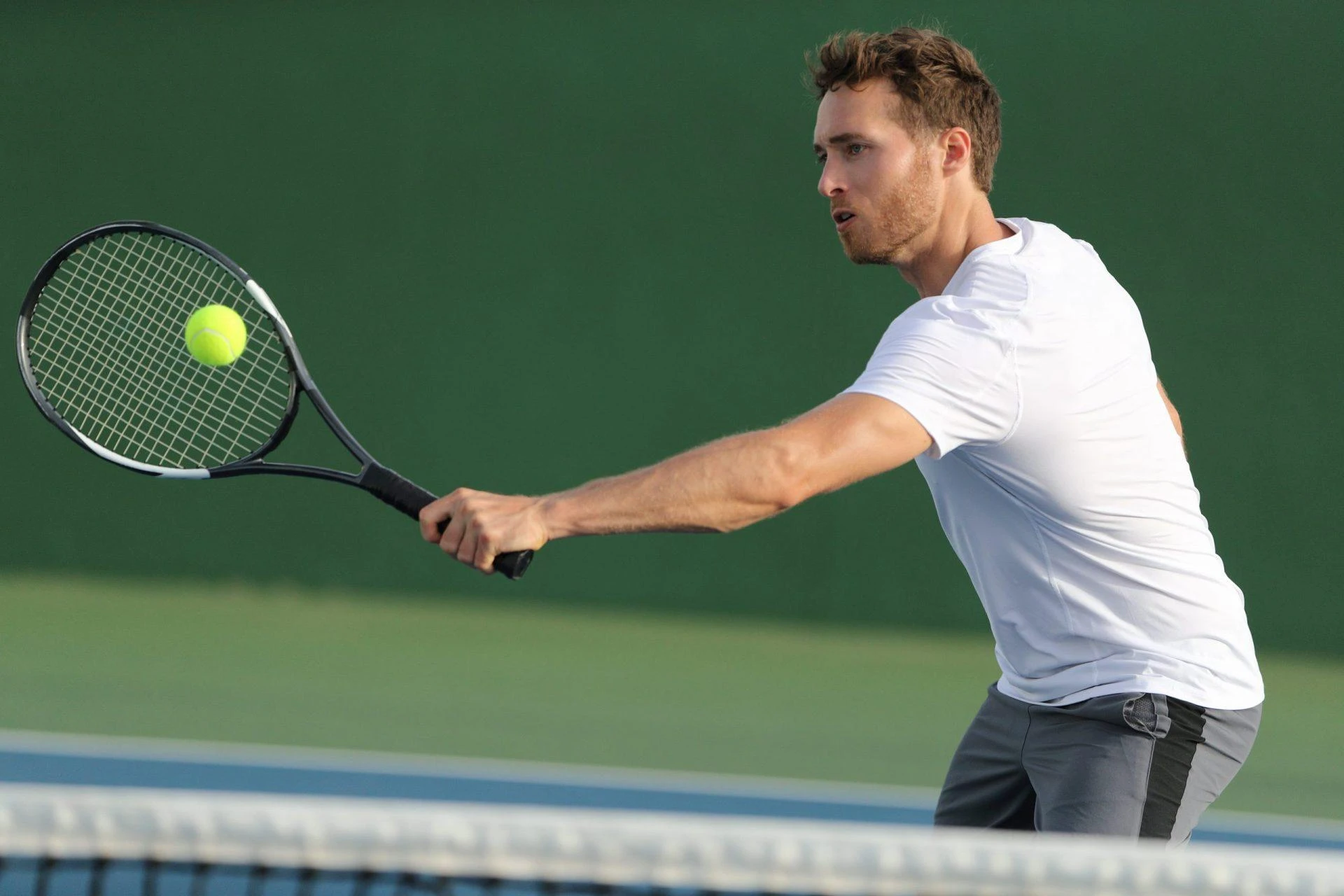
Racket-sport players may need to modify training volume, playing frequency, or technique while symptoms settle. Returning to full training should be gradual and guided by improvements in strength and activity tolerance.
For people seeking Tennis Elbow Treatment Dubai, practical advice about daily activities can be an important part of an effective rehabilitation programme.
How Long Does Tennis Elbow Recovery Take?
Recovery time varies depending on symptom duration, the demands placed on the arm, the severity of the condition, and the individual's response to treatment.
Some people notice improvement within several weeks of appropriate activity modification and exercise. More persistent cases may take several months to improve, particularly when work or sports continue to place substantial demands on the affected tendon.
Several factors may influence recovery:
- How long symptoms have been present.
- The intensity and frequency of aggravating activities.
- The physical demands of work or sport.
- The patient's current forearm strength.
- Consistency with the recommended exercise programme.
- The presence of other elbow or wrist conditions.
- The ability to modify repetitive tasks during rehabilitation.
Progress is not always completely linear. Symptoms may fluctuate as the arm adapts to changing activity levels, and exercises may need to be adjusted accordingly.
A successful rehabilitation programme focuses on practical improvements, such as gripping objects more comfortably, lifting with greater confidence, and completing work tasks with fewer limitations.
If symptoms continue to worsen or fail to improve despite appropriate management, a healthcare professional may reassess the diagnosis and consider alternative treatment options.
Tennis Elbow Treatment Cost in Dubai: What Affects the Price?
Understanding the Tennis Elbow Treatment cost in Dubai can help patients plan their care and compare suitable treatment options. The overall cost depends on the assessment required, the type of treatment provided, the number of sessions, and the complexity of the condition.
There is no single price that applies to every patient. Some individuals may need a relatively short course of physiotherapy, while others with persistent symptoms may require a longer rehabilitation programme or additional medical assessment.
Initial Consultation and Assessment
The first appointment may include a discussion of symptoms, examination of the elbow and wrist, assessment of grip strength, and development of a treatment plan.
The cost can vary according to the provider, the length of the appointment, and the services included.
Number of Physiotherapy Sessions
The number of sessions required depends on symptom severity, activity demands, and progress. Some people improve with a limited number of appointments combined with a home exercise programme, while others need more frequent supervision.
The recommended number of sessions should reflect the individual's clinical needs.
Complexity of the Condition
The Tennis Elbow Treatment cost in Dubai may differ according to whether symptoms are recent, persistent, or associated with other problems affecting the elbow or wrist.
More complex cases may require additional assessment, longer rehabilitation, or coordination with another healthcare professional.
Additional Medical Investigations
Tennis elbow is often diagnosed through clinical assessment. However, additional investigations may be considered when symptoms are unusual, the diagnosis is uncertain, or another condition is suspected.
Any imaging or specialist consultation may involve separate expenses.
Treatment Methods and Follow-Up Care
The treatment plan may involve supervised exercise, activity modification, manual therapy where appropriate, and progress reviews. The overall cost depends on which services are included and how long treatment continues.
When discussing the Tennis Elbow Treatment cost in Dubai, patients should ask about consultation fees, individual session charges, estimated treatment frequency, and any additional expenses.
Comparing costs is useful, but patients should also consider the suitability of the treatment plan, the quality of assessment, and the clarity of the rehabilitation guidance.
When to Seek Further Medical Assessment
Although many cases of tennis elbow improve with conservative treatment, not every cause of elbow pain is related to tendon overload.
Medical assessment is particularly important when pain follows a significant injury, the elbow appears deformed, there is substantial swelling, or movement becomes severely restricted.
Other symptoms that may require further evaluation include persistent numbness, significant weakness, redness accompanied by fever, or pain that continues to worsen.
A healthcare professional can determine whether further investigation is required and whether the symptoms are consistent with tennis elbow or another condition.
Seeking appropriate assessment helps ensure that treatment is directed towards the underlying problem rather than simply addressing the location of the pain.
Choosing the Right Physiotherapy Support for Tennis Elbow
Choosing suitable physiotherapy support involves considering the patient's condition, daily responsibilities, and recovery goals.
When evaluating a physiotherapy service, individuals may look for:
- A detailed initial assessment.
- Treatment tailored to their symptoms and activities.
- Clear demonstrations of recommended exercises.
- A structured approach to strengthening progression.
- Regular reviews of grip strength and functional improvement.
- Practical guidance for work, sports, and home activities.
- Transparent information about treatment fees.
Vitruvian Italian Physiotherapy Center provides a relevant reference for individuals exploring physiotherapy as part of their recovery and physical wellbeing goals.
A patient-focused rehabilitation approach should explain how treatment is expected to help, how progress will be measured, and when the programme may need to change.
Patients should also feel comfortable reporting discomfort during exercise and discussing tasks that remain difficult. This information helps the physiotherapist adjust treatment according to individual needs.
Maintaining Long-Term Results After Recovery
Once symptoms improve, maintaining suitable exercise and activity habits can help individuals continue building strength and managing physical demands.
Long-term management may include regular forearm strengthening, gradual increases in sports training, suitable work techniques, and appropriate recovery between demanding activities.
Patients can support their progress by:
- Continuing recommended strengthening exercises.
- Increasing training volume gradually.
- Avoiding sudden increases in repetitive gripping.
- Using comfortable lifting and working techniques.
- Taking breaks during prolonged repetitive tasks.
- Seeking guidance if symptoms return or change.
The aim is not to avoid using the arm. Instead, it is to develop the strength and tolerance needed to perform everyday activities without repeatedly exceeding the tendon’s current capacity.
A physiotherapist can help patients determine how much exercise is appropriate and when to progress to more demanding tasks.
Conclusion: Supporting Long-Term Recovery with Tennis Elbow Treatment Dubai
Tennis elbow can affect gripping, lifting, sports participation, and everyday tasks that require controlled wrist and forearm movement. Understanding the condition and following an appropriate rehabilitation plan can help individuals improve strength, manage discomfort, and gradually return to normal activities.
Physiotherapy may support recovery through personalised assessment, progressive strengthening, activity modification, and practical movement education. The right treatment approach depends on the patient's symptoms, physical demands, and progress.
Choosing appropriate Tennis Elbow Treatment cost in Dubai services can help individuals work towards improved arm function and long-term recovery. Understanding the Tennis Elbow Treatment cost in Dubai is also important when planning care, as expenses may vary according to assessment requirements, treatment methods, and the number of sessions needed.
Vitruvian Italian Physiotherapy Center serves as a reference for individuals considering physiotherapy to support rehabilitation and physical wellbeing. With suitable professional guidance, consistent participation, and realistic recovery goals, patients can work towards improved grip strength, better movement, and greater comfort during daily activities.
















Sign in to leave a comment.