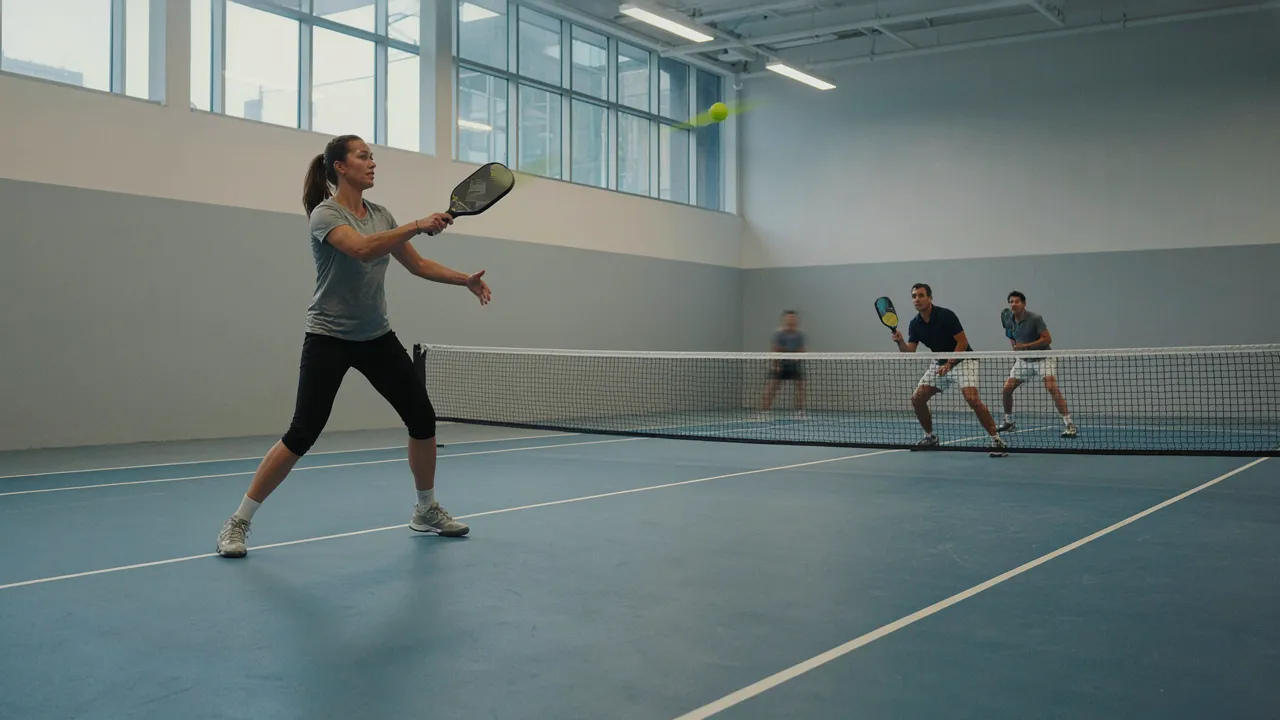

For tennis players moving into pickleball, many skills transfer naturally. Footwork, hand-eye coordination, court awareness, and the ability to read an opponent all provide a strong foundation. However, pickleball introduces several techniques that can feel unfamiliar at first—and few are more important than the third shot drop.
The third shot drop is one of the defining shots in pickleball strategy. Rather than trying to hit the ball hard, the player uses controlled pace and a soft trajectory to make the ball land in the opponent's non-volley zone, commonly called the kitchen. Learning the third shot drop can help tennis players adapt their powerful baseline game to the more controlled, tactical style of pickleball.
What Is the Third Shot Drop?
The third shot drop is typically played after the serve and return. In a standard doubles rally, one team serves, the receiving team returns, and the serving team then attempts the third shot drop.
The objective is simple: send the ball over the net with enough height and softness that it lands in the opponent's kitchen. Ideally, the ball bounces low and forces the opponents to hit upward rather than attack aggressively.
This shot gives the serving team an opportunity to move forward toward the non-volley zone. Once both teams are established near the kitchen, players can engage in controlled exchanges, resets, and quick reactions.
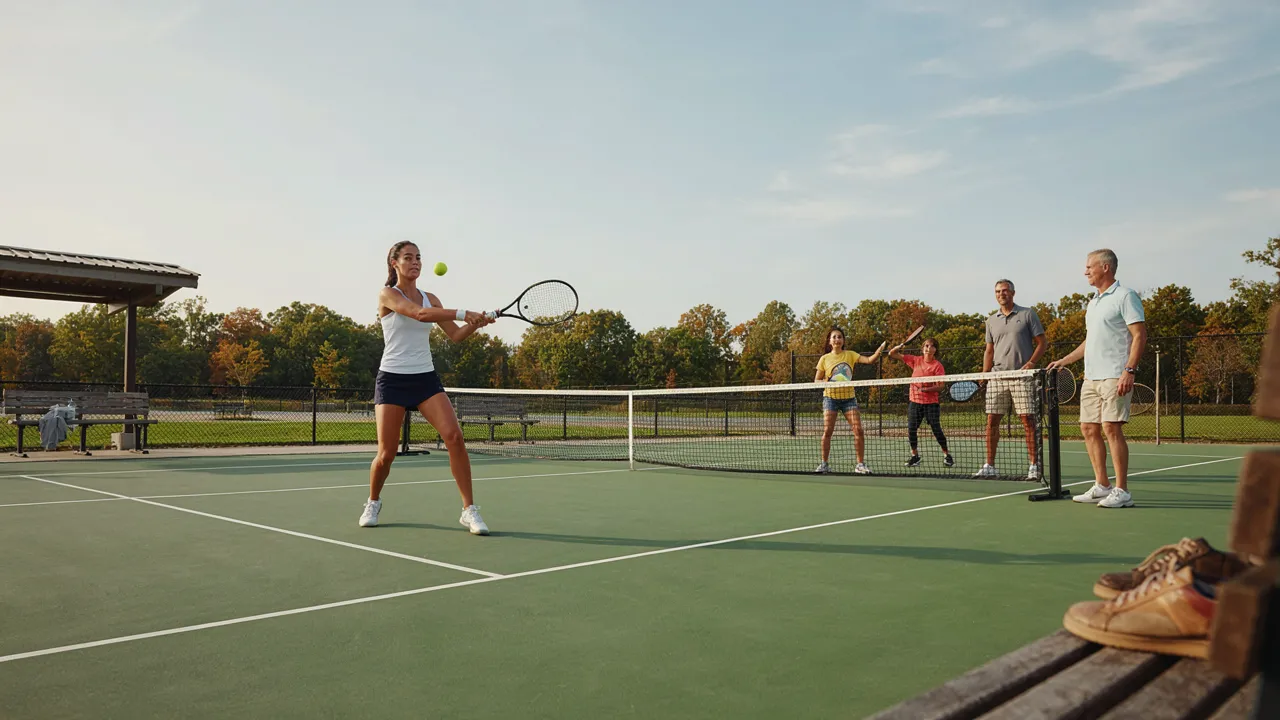
For tennis players, this can require a significant change in mindset. A tennis player may naturally look for opportunities to accelerate the ball. In pickleball, however, patience and placement are often more valuable than raw power.
Why Tennis Players May Struggle With It
Tennis provides excellent preparation for pickleball, but some habits need adjustment.
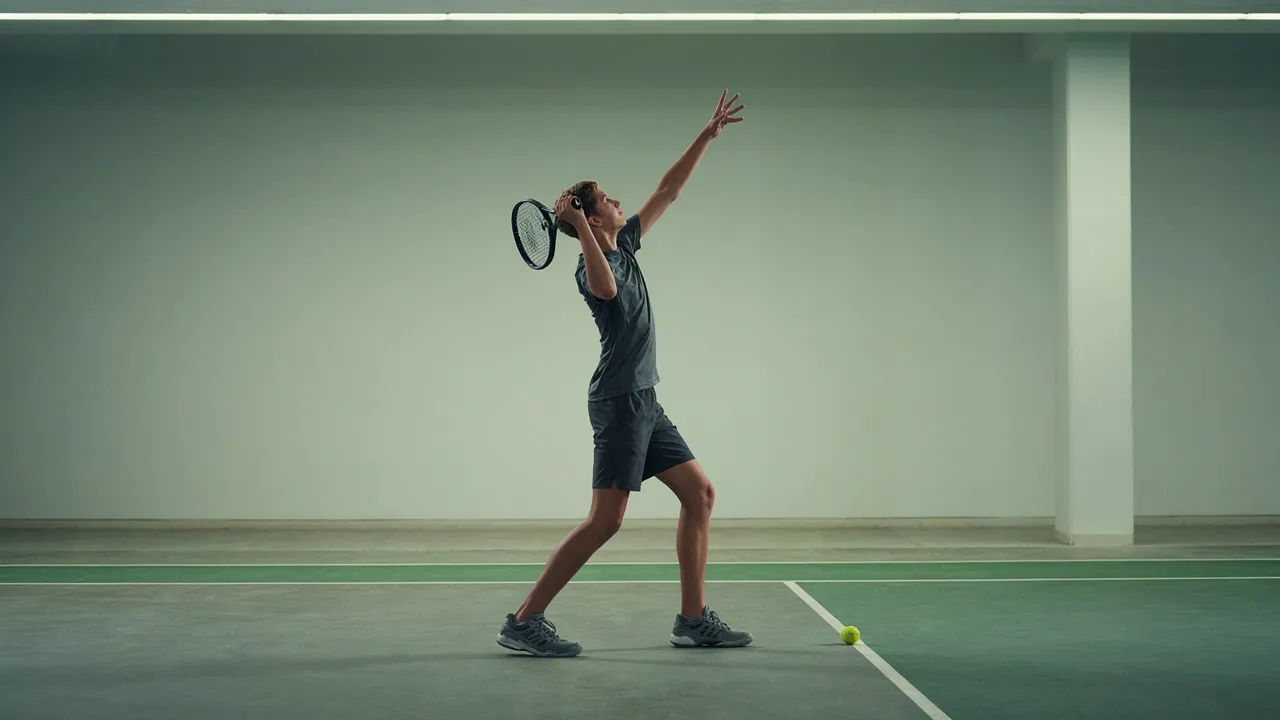
One of the biggest differences is swing length. Tennis strokes often involve larger backswing and follow-through because players have more space and time. Pickleball generally rewards compact swings, especially around the kitchen.
A tennis player may also initially try to hit the third shot with too much pace. A hard shot from the baseline can give opponents an easy ball to attack. The third shot drop requires the opposite approach: controlled acceleration, soft hands, and precise placement.
Another adjustment involves net clearance. In tennis, players frequently aim to hit aggressive shots that clear the net by a relatively small margin. With a third shot drop, the ball needs enough height to travel safely over the net while still descending into the kitchen.
These differences make the shot an important part of developing effective pickleball transition skills.
Building the Right Technique
When learning the third shot drop, start with a balanced athletic position. Keep your feet active and avoid reaching excessively for the ball. A stable base makes it easier to control the paddle face and adjust to different returns.
Use a relatively compact swing. Instead of generating power through a large backswing, focus on a smooth forward motion. Your goal is to create a consistent arc rather than a fast, flat trajectory.
Paddle-face control is particularly important. A slightly open paddle face can help produce the necessary height and soft landing. However, avoid opening the face excessively, as this can send the ball too high and give your opponent an easy attacking opportunity.
Think about guiding the ball rather than hitting through it.
A useful practice goal is to focus less on whether the ball lands perfectly every time and more on developing a repeatable motion. Consistency comes before precision.
Learning the Third Shot Drop Through Drills
Practice becomes much easier when the shot is broken into manageable stages.
Start by practicing from the baseline with a partner. Have your partner feed balls toward your forehand or backhand while you focus on producing a high, controlled arc into the kitchen.
Once you become comfortable, alternate between forehand and backhand drops. This helps develop adaptability because real rallies rarely provide identical balls.
Another useful drill involves gradually moving forward. Begin at the baseline, hit a third shot drop, and then move toward the kitchen while your partner returns the ball. The goal is to connect the drop with the transition rather than treating it as an isolated shot.
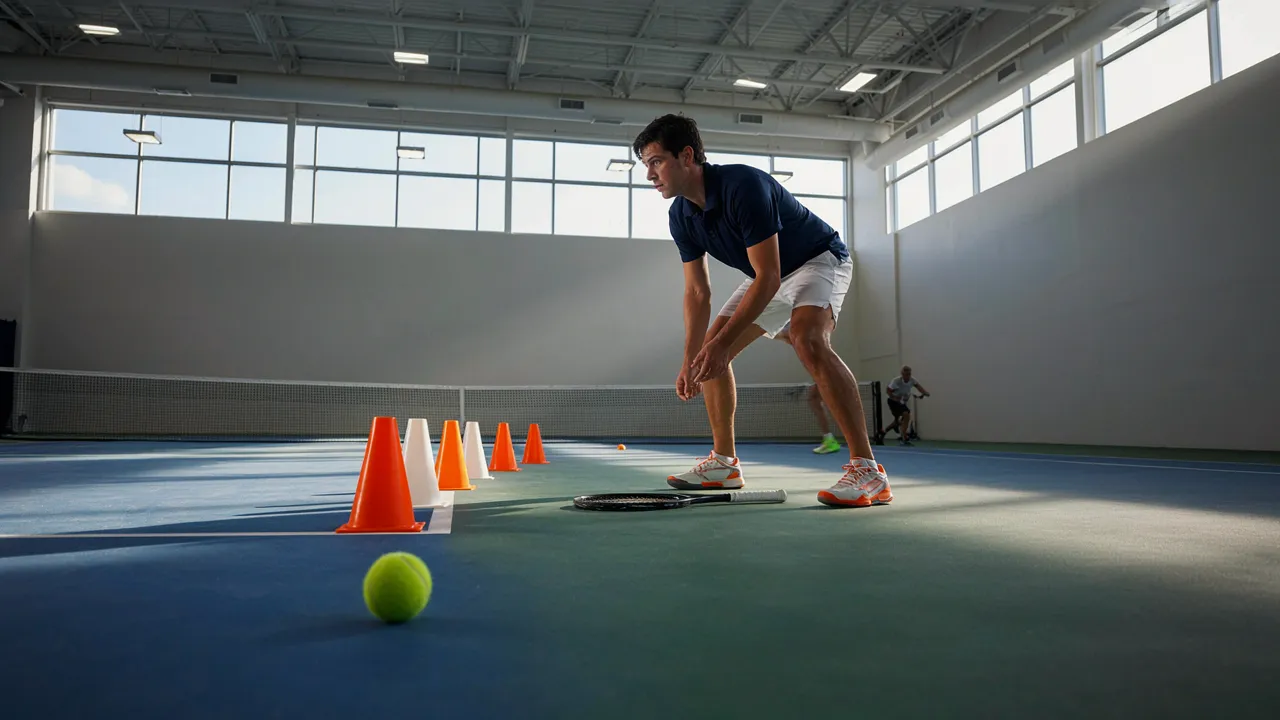
You can also practice targets. Place a visual marker inside the kitchen and attempt to land your drops near it. Over time, experiment with different depths and angles.
The objective is not simply to make the ball land in the kitchen. You want to make the return difficult enough that your team can safely advance.
Turning the Drop Into a Transition Skill
A successful third shot drop is only part of the process. The next challenge is moving from the baseline to the kitchen without giving your opponents an opportunity to attack.
After hitting the drop, watch your opponents' response. If they return a soft ball, continue moving forward. If they hit a deeper or more aggressive shot, you may need to pause, reset, or play another controlled ball.
This is where pickleball transition skills become especially valuable for tennis players. Instead of automatically charging toward the net, learn to move in stages and recognize when the ball gives you permission to advance.
Good transition play combines footwork, anticipation, paddle preparation, and patience.
Your paddle should remain in front of your body as you move. Keep your steps controlled rather than taking large running strides. Small adjustment steps make it easier to react if your opponent speeds up the ball.
Common Third Shot Drop Mistakes
Several mistakes are common among players making the transition from tennis.
Using too much power: A fast shot is not necessarily a good third shot. Excessive pace can create an easy ball for your opponents to attack.
Hitting too low: A ball that barely clears the net may land short or end up in the net. Developing a reliable arc is essential.
Hitting too high: Too much height gives opponents additional time and can allow them to attack the ball.
Standing still after hitting: The third shot should be connected to your transition. Be prepared to move after the ball leaves your paddle.
Relying only on the forehand: Opponents can target your backhand if you cannot comfortably execute the drop from both sides.
Patience Makes the Difference
The third shot drop is one of the clearest examples of how pickleball differs from traditional tennis. Instead of immediately looking for a winning shot, players often create opportunities through patience, placement, and controlled movement.
For tennis players, the transition can be highly rewarding. The athletic foundation developed through tennis remains valuable, while pickleball introduces a new layer of tactical decision-making.
Spend time developing a repeatable third shot motion, practice different locations on the court, and combine the shot with deliberate forward movement. With consistent practice, the third shot drop can become a reliable part of your game—and a key tool for making the transition from tennis to pickleball.
Whether you're completely new to pickleball or an experienced tennis player adding another racket sport to your routine, learning these fundamentals can make your time on the court more confident, strategic, and enjoyable.
























Sign in to leave a comment.