Termite Inspection for Buying or Selling a Property in Singapore


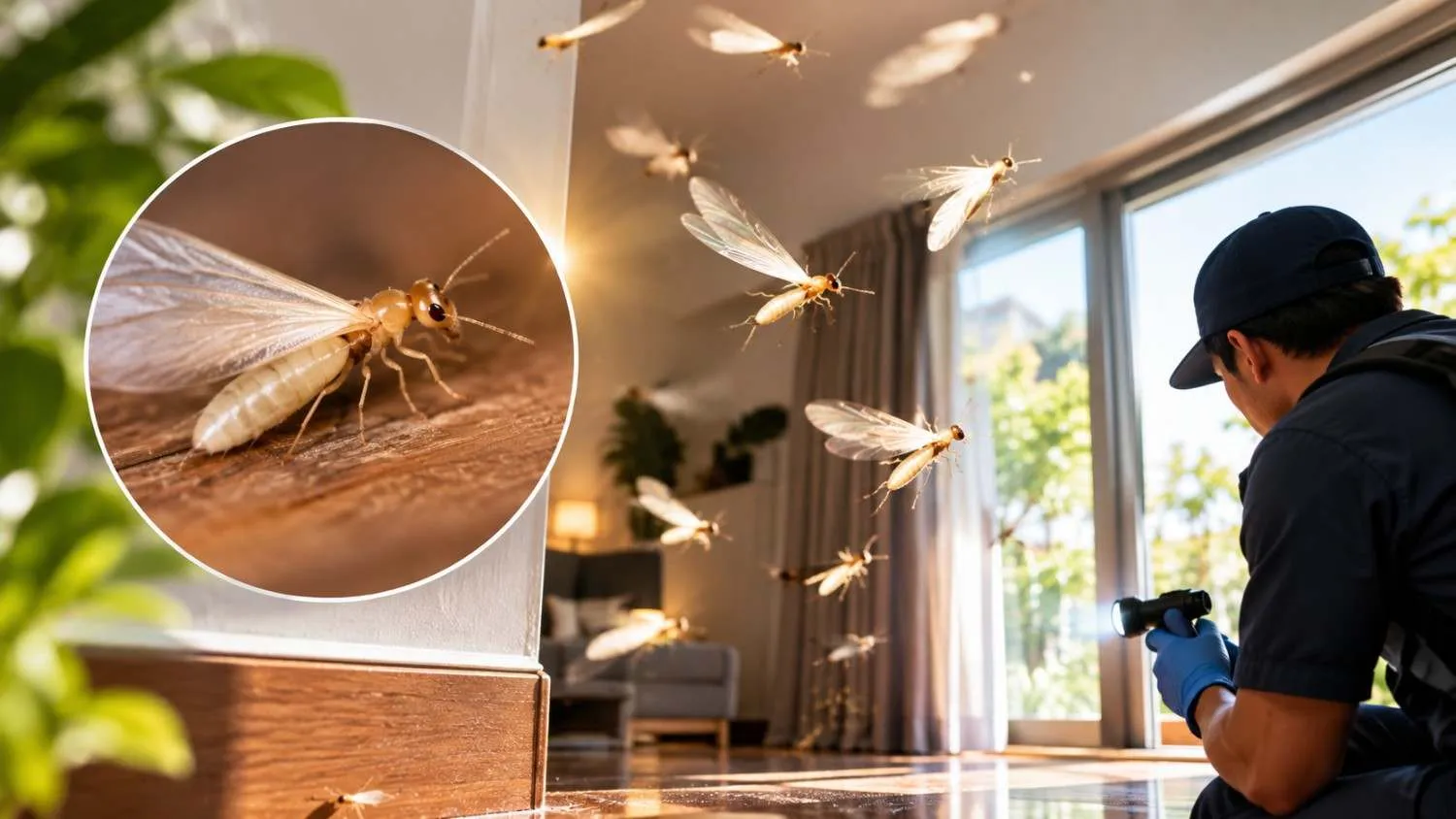
What is a Termite Inspection? A termite inspection is a professional inspection of a property to detect any active infestations, structural damage and termite conducive conditions. It offers buyers in Singapore an objective view of a home's condition and allows sellers to address any issues before listing their home for sale. This is one of the most practical—and most overlooked—steps in any real estate deal.
Why Termite Inspections Matter in Singapore's Property Market
Singapore’s tropical climate – high humidity, consistent warmth and frequent rainfall – provides ideal conditions all year round for subterranean and drywood termites. Unlike colder climates where termite activity slows down seasonally, infestations can progress quickly and silently within walls, flooring and timber structural elements.
For buyers and sellers, this creates a genuine financial risk. A property with an undiscovered termite problem can lose significant value, require costly remediation, or fall through entirely during the sale process. Getting a termite inspection done before or during a transaction protects both parties from unpleasant surprises.
Who Needs a Termite Inspection — Buyers or Sellers?
Both parties benefit, but for different reasons.
For Property Buyers
A pre-purchase termite inspection gives potential buyers hard facts about the condition of the property before they make a commitment. This is especially true for older landed properties, shophouses and resale HDB flats with original timber fixtures. Termite damage is seldom visible to the untrained eye and is often hidden behind plaster, under parquet flooring or inside door frames.
Key reasons buyers should request an inspection:
- Identify active infestations before signing the Option to Purchase (OTP)
- Assess the extent of existing structural damage
- Use findings to negotiate the purchase price or request remediation as a condition of sale
- Avoid inheriting expensive treatment and repair costs after handover
For Property Sellers
A seller who gets a pre-listing inspection is much better off. It removes ambiguity, provides transparency for buyers, and speeds up the transaction by reducing back-and-forth on condition-related issues.
If you find an infestation, dealing with it before you list means the deal won’t fall apart at a late stage – and that’s far more disruptive than dealing with it proactively. A clean inspection report is just as good a marketing tool.
What Does a Termite Inspection in Singapore Cover?
A thorough inspection conducted by a licensed pest control professional typically includes:
- Visual assessment of all accessible timber surfaces, skirting boards, door and window frames, roof trusses, and subfloor areas
- Moisture detection using specialised meters, since termites gravitate toward damp timber
- Thermal imaging or acoustic detection in some cases, to identify hidden activity within walls without invasive probing
- Identification of conducive conditions — leaking pipes, poor ventilation, timber-to-soil contact, or stacked wood near the structure
- Written report documenting findings, risk areas, and recommended treatment options
The inspection report is the critical deliverable. It should be detailed enough to support decision-making, not just a checklist with a pass/fail stamp.
Which Property Types in Singapore Are Most at Risk?
Not all properties carry the same risk level. Understanding this helps buyers and sellers prioritise the inspection accordingly.
| Property Type | Risk Level | Common Concern Areas
|
|---|---|---|
| Landed property (terrace, semi-D, bungalow) | High | Roof trusses, subfloor timber, garden landscaping |
| Older resale HDB flats | Medium–High | Parquet flooring, original timber fixtures, kitchen cabinetry |
| Shophouses / conservation properties | Very High | Structural timber beams, heritage timber flooring |
| New condominiums | Lower | Timber furniture, built-in wardrobes, balcony timber decking |
Conservation shophouses and pre-war landed homes deserve particular attention. Many retain original timber structural elements that are both historically significant and highly vulnerable to termite damage.
When Is the Right Time to Schedule a Termite Inspection?
Timing the inspection correctly within the transaction timeline makes a real difference.
For Buyers
The ideal window is after the OTP is granted but before the option is exercised. This typically gives buyers five to fourteen days — enough time to arrange an inspection, receive the report, and make an informed decision. If the inspection reveals a serious problem, you still have the opportunity to renegotiate or withdraw before committing fully.
For Sellers
Arrange an inspection two to four weeks before listing. This gives you time to carry out treatment if needed and obtain a clean follow-up report before marketing the property. Buyers and their agents respond well to sellers who provide documentation upfront — it signals confidence in the asset.
What Happens If Termites Are Found?
Discovery of an active infestation does not have to derail a transaction. What matters is how it is handled.
Common treatment options in Singapore include:
- Baiting systems — placed at strategic points around the property to intercept and eliminate termite colonies
- Soil treatment — chemical barriers applied to the soil around foundations, effective for subterranean species
- Localised spot treatment — used for isolated infestations confined to specific areas
Once treatment is completed, a follow-up inspection confirms elimination. In a property transaction context, the seller typically bears the cost of treatment, and the post-treatment report is provided to the buyer as part of the handover documentation.
Termite Inspection Singapore: What to Look for in a Service Provider
Not every pest control company offers the same standard of inspection. When evaluating providers, consider the following:
- Ensure the company is licensed by the National Environment Agency (NEA) of Singapore
- Ask whether the inspector uses detection technology beyond basic visual checks
- Confirm the report format — it should be detailed, itemised, and suitable for property transaction purposes
- Check whether the company offers both inspection and treatment, so there is continuity if remediation is required
- Ask about warranty terms if treatment is recommended
The NEA maintains oversight of the pest management industry in Singapore, and engaging a licensed operator protects you legally and practically in the context of a property transaction.
Can a Termite Inspection Affect Property Valuation?
Yes -- indirectly, and more importantly than most buyers and sellers realise. Condition is one of the factors used by property valuers in Singapore in their valuation methodology. A valuer may not undertake a specialist termite inspection, but the existence of significant timber damage or an unresolved infestation will impact on their valuation.
In real terms, this means that a seller with a treatment warranty and a clean post-inspection report can defend their asking price. Under Singapore law, a buyer who finds an infestation after buying – and without any prior inspection – has very little recourse as property is generally sold on a caveat emptor (buyer beware) basis.
Practical Checklist for Property Buyers and Sellers
Buyers should:
- Request an independent termite inspection before exercising the OTP
- Ensure the inspection report is in writing and detailed
- Factor in treatment and repair costs when making an offer
- Ask the seller for any prior pest treatment records
Sellers should:
- Commission a pre-listing inspection at least two weeks before marketing
- Address any findings before buyer negotiations begin
- Provide documentation of treatment as part of the handover package
- Use a clean inspection report as part of the property listing narrative
For buyers and sellers navigating Singapore's property market, a professional termite inspection is a straightforward step that prevents costly disputes and protects the value of what is, for most people, their single largest financial asset. Action Pest provides professional termite inspections tailored to property transactions across Singapore, with detailed written reports and follow-up treatment options if required.
Frequently Asked Questions
Is a termite inspection mandatory when buying a property in Singapore?
No, a termite inspection is not legally required in Singapore property transactions. However, it is strongly advisable, particularly for landed properties and older resale flats. Singapore operates on a caveat emptor basis, meaning buyers have limited legal recourse for defects discovered after the sale is completed.
How long does a termite inspection take?
For a standard HDB flat or condominium unit, a termite inspection typically takes one to two hours. Landed properties and larger homes may require two to four hours depending on size and accessibility. The written report is usually delivered within one to two business days after the inspection.
How much does a termite inspection cost in Singapore?
Costs vary based on property size and type. For apartments, fees generally start from around SGD 100 to SGD 200. Landed properties may cost more given their complexity. Always confirm what is included — particularly whether you receive a detailed written report suitable for property transaction documentation.
Can I negotiate the property price if termites are found?
Yes. A termite inspection report that identifies an active infestation or prior structural damage is a legitimate basis for price negotiation. Buyers can request the seller remedy the issue before completion or adjust the purchase price to reflect the cost of treatment and necessary repairs.
What is the difference between a termite inspection and a general pest inspection?
A termite inspection is a focused assessment specifically for termite activity, structural damage, and risk conditions. A general pest inspection covers a broader range of pests including rodents, cockroaches, and ants. For property transactions, a dedicated termite inspection is recommended given the structural and financial implications involved.
How soon after treatment can a property be sold or handed over?
Most termite treatments allow normal use of the property immediately or within 24 to 48 hours. A follow-up inspection is typically conducted after treatment to confirm elimination. Sellers should factor in two to four weeks for treatment and post-treatment verification before the handover or listing date.





Sign in to leave a comment.