

Electrical equipment is used every day across Australian workplaces, from computers and office appliances to power tools, extension leads and portable equipment. Regular inspection and testing can help businesses identify electrical faults before they create a safety risk.
However, test and tag requirements in Australia are not identical for every workplace. The appropriate inspection and testing frequency depends on factors such as the type of equipment, how it is used and the environment in which it operates.
Understanding these requirements can help businesses establish an appropriate electrical safety and maintenance program.
What Is Test and Tag?
Test and tag is a process used to inspect and electrically test certain portable electrical equipment and identify its testing status with a tag or other record where required.
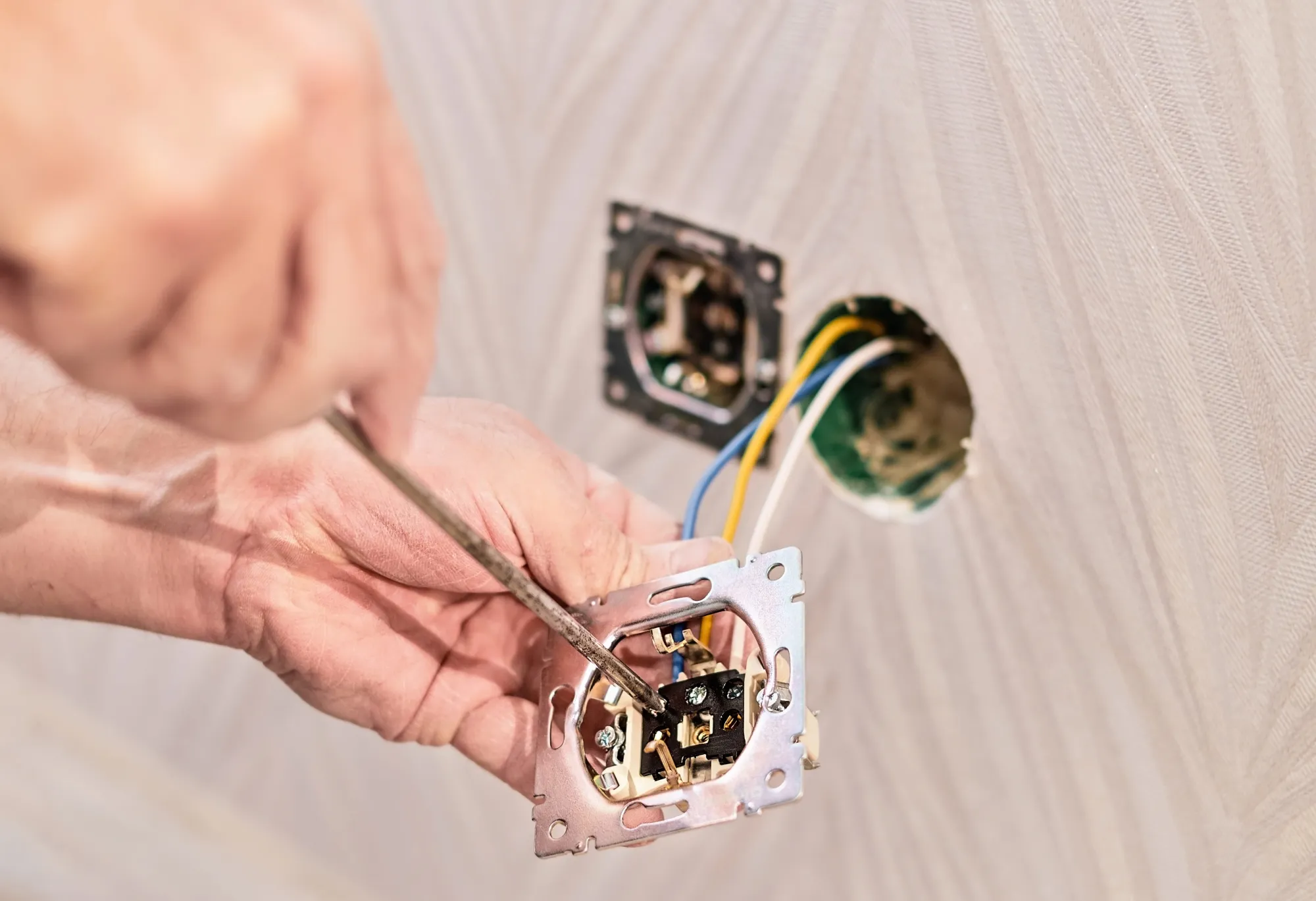
The inspection can identify visible problems such as damaged cords, plugs or equipment.
Electrical testing can also identify faults that may not be obvious during a visual inspection.
Testing should be carried out by a competent person. Safe Work Australia states that electrical equipment used in higher-risk workplace environments may need to be regularly inspected, tested and tagged.
Is Test and Tag Mandatory for Every Australian Workplace?
No. This is an important distinction for businesses.
Australian workplace electrical safety requirements depend on the workplace risk and the applicable state or territory legislation.
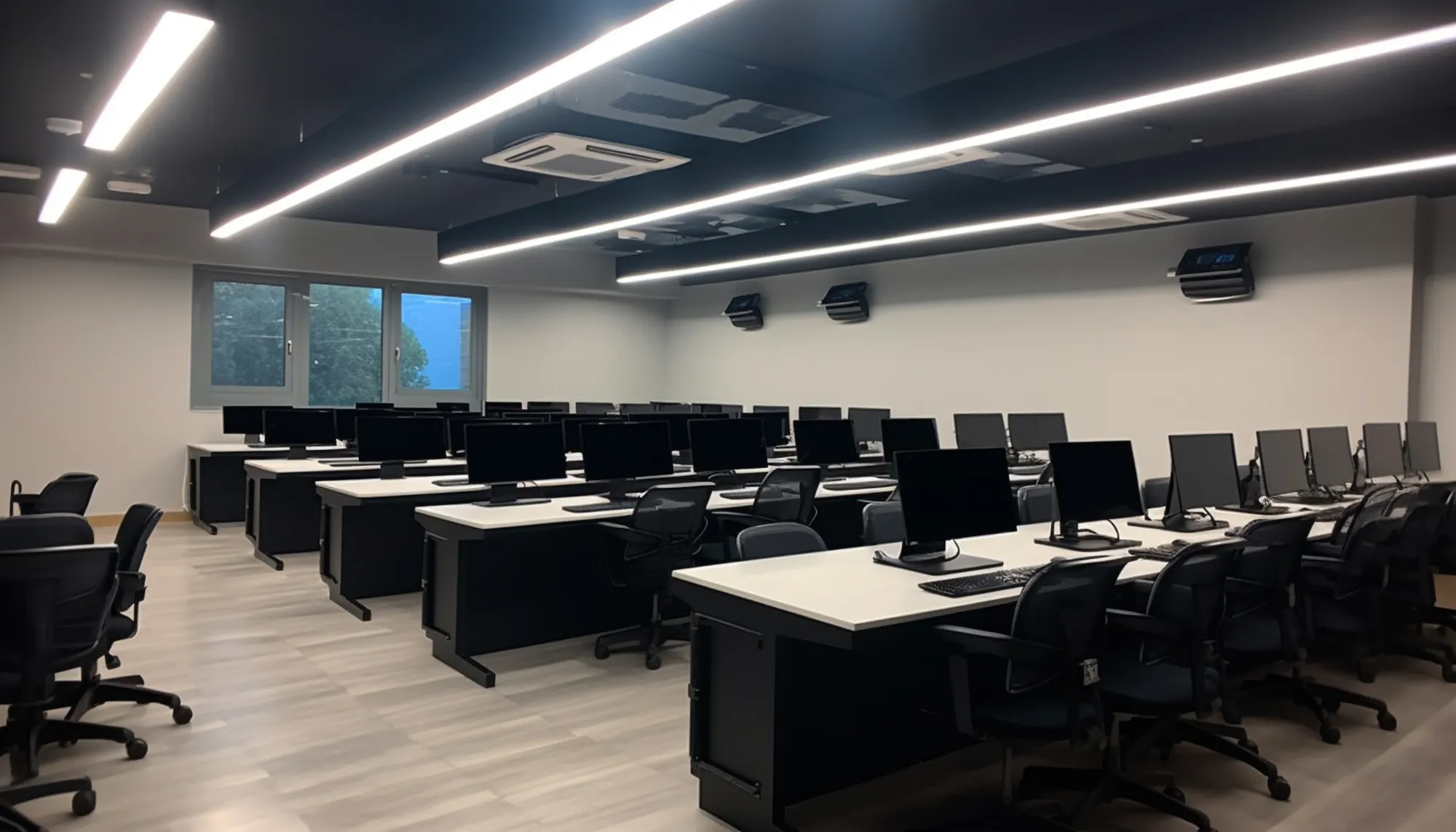
Safe Work Australia identifies offices, retail shops and classrooms as examples of lower-risk workplaces. Regular testing and inspection is not automatically required in these
environments under the model WHS approach, although businesses still have a duty to ensure electrical equipment is safe and may need appropriate inspection and testing based on risk.
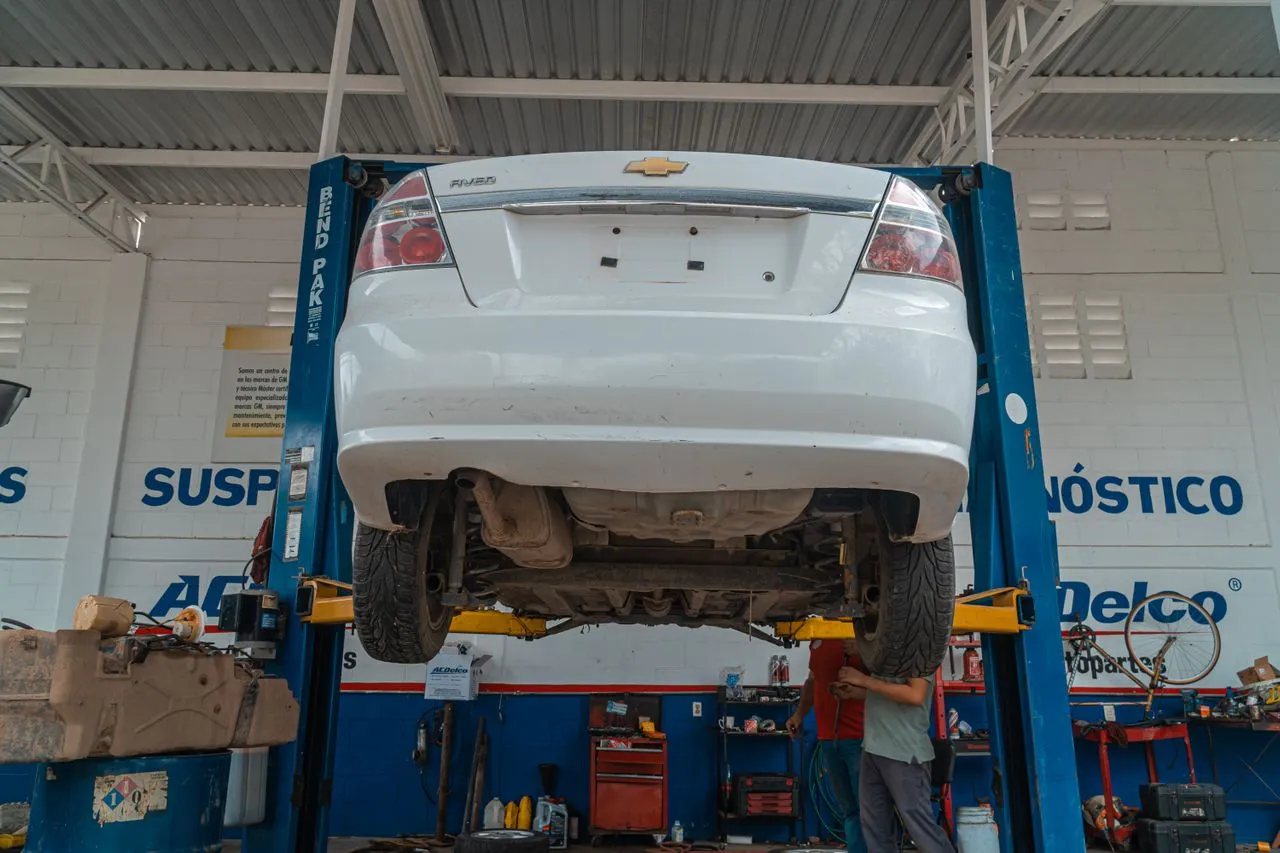
Higher-risk environments can include wet or dusty areas, outdoor workplaces, commercial kitchens and manufacturing environments. These environments can expose electrical equipment to conditions that increase the likelihood of damage or deterioration.
Businesses should therefore avoid assuming that every piece of equipment requires the same testing interval.
How Often Should Electrical Equipment Be Tested?
There is no single testing interval that applies to every workplace.
The appropriate frequency depends on the equipment, workplace conditions and how the equipment is used. Safe Work Australia notes that a competent person should determine the nature and frequency of inspection and testing based on these factors. Equipment in higher-risk workplaces will usually require testing at least every 12 months, while particular environments and applications can require more frequent testing.
For example, equipment that is frequently moved, exposed to harsh conditions or used in demanding environments may require more frequent inspection than equipment used in a clean, dry office.
Businesses should also consider manufacturer recommendations and applicable Australian Standards when establishing their testing program.
What Does a Test and Tag Inspection Check?
A typical inspection involves looking for visible signs of damage or deterioration before electrical testing is performed where required.
Items that may need attention include:
- Damaged or frayed power cords
- Cracked plugs or equipment housings
- Loose components
- Signs of overheating
- Damaged extension leads
- Equipment exposed to unsuitable environmental conditions
- Other visible defects that could create an electrical hazard
Electrical testing can provide additional information about the condition and safety of equipment that cannot be identified through visual inspection alone.
If equipment is found to be unsafe, it should not remain in service. Safe Work Australia advises that unsafe electrical equipment must be disconnected from electricity until it is repaired or tested and found safe by a competent person.
Who Can Carry Out Test and Tag?
Testing and inspection should be performed by a competent person.
Safe Work Australia's guidance explains that competent persons may include appropriately licensed or registered electricians, while competency requirements can vary according to the jurisdiction and type of testing being performed.
In Western Australia, WorkSafe provides specific guidance regarding competency for testing and tagging. For example, testing and tagging of portable electrical equipment or portable RCDs on construction and demolition sites must be carried out by a competent person or licensed electrician.
Businesses should ensure the person carrying out testing has the appropriate competency for the equipment, workplace and testing procedure involved.
Test and Tag Requirements in Western Australia
For Perth and other WA businesses, local requirements are particularly important.
WorkSafe WA explains that workplaces outside construction and demolition operations can require a risk-management approach to determine appropriate inspection and testing. Its guidance also distinguishes construction and demolition sites, where specific inspection and testing arrangements apply.
This means businesses should not rely on a blanket statement such as “everything must be tested every three months” without considering the workplace and equipment involved.
A suitable electrical safety program should take into account the conditions in which equipment is used, the likelihood of damage and the requirements that apply to the particular workplace.
What About RCD Testing?
Residual current devices (RCDs), commonly known as safety switches, are an important part of electrical safety.
RCDs are designed to disconnect electricity when they detect an electrical leakage that could create a dangerous situation. Safe Work Australia states that RCDs must be regularly tested to ensure they are working effectively where applicable.
RCD testing is separate from simply checking whether portable equipment has a current test and tag.
Businesses should therefore consider both equipment inspection and appropriate RCD testing when developing their electrical safety procedures.
Why Should Businesses Keep Testing Records?
Maintaining clear testing records can help businesses demonstrate that electrical equipment is being managed as part of an ongoing safety program.
Under the model WHS approach, records of testing should identify information such as the person who carried out the testing and the date of testing.
Good record keeping can also help businesses track equipment, identify upcoming testing requirements and respond quickly when an item is found to be defective.
Common Test and Tag Mistakes Businesses Should Avoid
Some common problems include:
- Assuming every workplace has the same testing frequency
- Treating a visual inspection as a complete electrical test
- Continuing to use equipment after visible damage is identified
- Failing to maintain testing records
- Using people who are not appropriately competent for the testing required
- Ignoring workplace conditions that may increase electrical risk
- Failing to consider RCD testing separately
- Relying on an old testing schedule without reviewing workplace risks
A testing program should be based on the actual risks associated with the workplace and equipment.
Test and Tag Checklist for Businesses
Businesses can use the following checklist when reviewing their electrical safety program:
Workplace
- Is the workplace low or higher risk?
- Are equipment exposed to wet, dusty or harsh conditions?
- Is equipment frequently moved or transported?
Equipment
- Are cords, plugs and housings free from visible damage?
- Is damaged equipment immediately removed from use?
- Are portable electrical appliances and tools appropriately inspected?
Testing
- Is testing performed by a competent person?
- Is the testing frequency appropriate for the workplace?
- Are applicable standards and manufacturer recommendations considered?
Records
- Are testing dates recorded?
- Is the person who performed testing identified?
- Can records be easily accessed when required?
RCDs
- Are applicable RCDs installed?
- Are RCDs tested at the required intervals?
- Are faults investigated before equipment or protection devices are returned to service?
Professional Electrical Compliance Testing in Perth
Test and tag is one part of a broader workplace electrical safety program. Businesses need to consider their equipment, workplace environment, testing frequency, RCD protection and record keeping together.
For Perth businesses, Symbient Electrical provides electrical compliance testing services to help commercial workplaces manage their electrical safety requirements.
If you need professional assistance with workplace electrical testing, inspection or compliance, contact Symbient Electrical to discuss your requirements.





















Sign in to leave a comment.