
Abu Road serves as the pivotal gateway to southern Rajasthan, where rugged Aravalli landscapes meet ancient spiritual traditions and historic architecture. While many travelers view this town simply as a transit hub, staying in the region provides the perfect staging ground for exploring serene lakes, ornate marble temples, and lush mountain vistas. Choosing the right base for your journey makes all the difference, and securing a stay at the best hotel in Abu Road ensures you have a tranquil, comfortable sanctuary to return to after a full day of discovery.
Whether you are planning a relaxed weekend escape, a spiritual pilgrimage, or a scenic road trip, the surrounding region offers remarkable destinations within comfortable driving distance. Here are five outstanding sightseeing locations around Abu Road that showcase the culture, natural beauty, and heritage of this storied terrain.
1. Dilwara Jain Temples
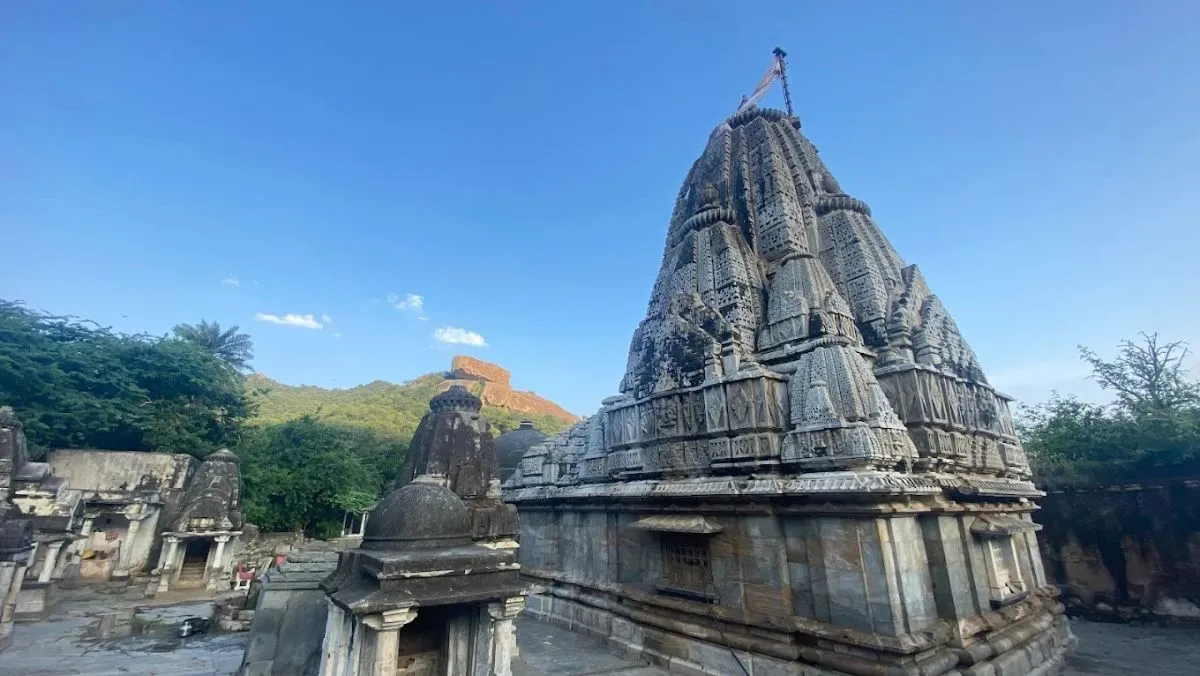
Located roughly 28 kilometers uphill from Abu Road, the Dilwara Temples represent one of the crowning achievements of medieval Indian marble architecture. Built between the 11th and 13th centuries by Vastupal Tejpal and Vimal Shah, these five shrines—Vimal Vasahi, Luna Vasahi, Pittalhar, Parshvanatha, and Mahavir Swami—appear unassuming from the exterior but reveal astonishing craftsmanship within.
Every pillar, doorway, and domed ceiling is carved from pure white marble with astonishing delicacy, resembling lace rather than stone. Visitors often marvel at the pendant lotuses suspended from the ceilings and the microscopic detail given to mythological figures and floral motifs. Because photography is prohibited inside the complex, visiting in person remains the only authentic way to appreciate the architectural mastery preserved here.
2. Nakki Lake and Toad Rock
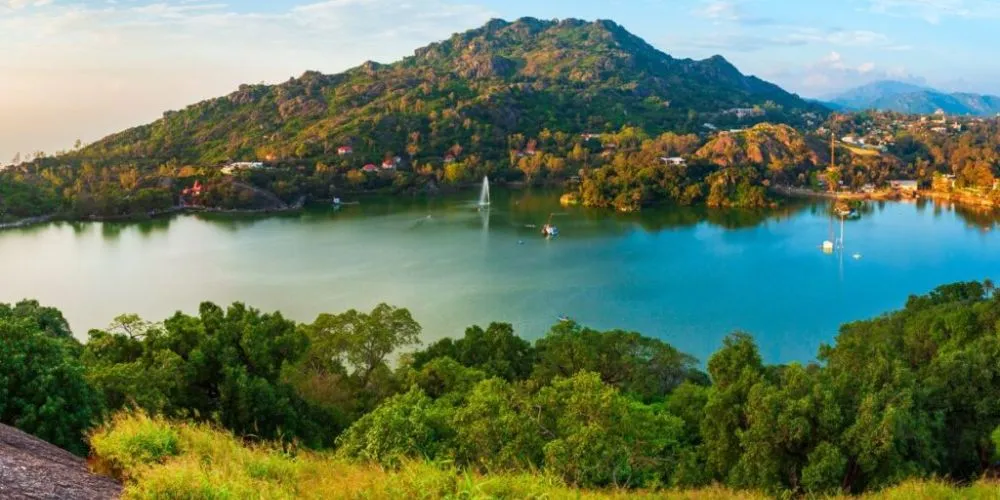
Nestled in the heart of Mount Abu, Nakki Lake is an ancient water body steeped in legend. According to local folklore, the lake was dug out by the fingernails (nakh) of the gods to escape a demon, giving it both religious sanctity and immense recreational appeal. The lake is surrounded by hills, lush gardens, and unusual geological rock formations that date back millions of years.
A leisurely boat ride across the water offers panoramic views of the hill station, especially during late afternoon when the sun sets behind the hills. Just adjacent to the lake is a scenic trail leading up to Toad Rock, a massive natural boulder that distinctly resembles a toad preparing to leap into the water. Climbing the stone stairs to the top rewards hikers with one of the most picturesque elevated views of Nakki Lake and the surrounding township.
3. Guru Shikhar
Standing at an altitude of 1,722 meters above sea level, Guru Shikhar is the highest peak in the entire Aravalli Range. The drive from Abu Road winds through mist-laden pine valleys and rocky switchbacks before reaching the summit road. At the top, roughly 300 steps lead visitors to the sacred shrine of Guru Dattatreya, an incarnation embodying the divine trinity of Brahma, Vishnu, and Shiva.
Aside from its religious significance, Guru Shikhar delivers dramatic 360-degree vistas stretching across the Rajasthan plains and rugged ridges. The cool mountain breeze, historical temple bells, and the nearby Mount Abu InfraRed Observatory make this high-altitude viewpoint a must-visit destination for nature lovers and landscape photographers alike.
4. Achalgarh Fort and Achaleshwar Mahadev Temple
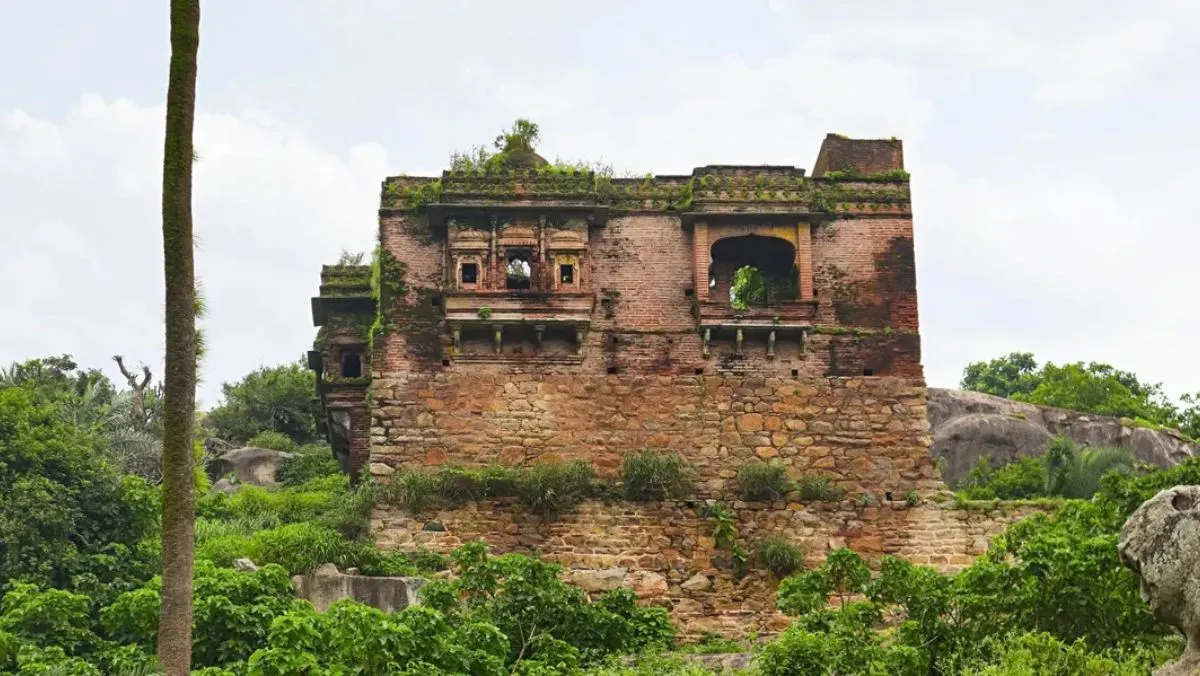
Perched atop a rocky crest north of the hill station, Achalgarh Fort was originally constructed by the Paramara dynasty and later fortified in the 15th century by Maharana Kumbha of Mewar. While parts of the fortress now stand in romantic ruin, the hike up past the Hanuman and Champa gates reveals fortified battlements and the scenic Mandakini Lake nestled below the walls.
At the foot of the hill lies the Achaleshwar Mahadev Temple, famous for housing what is believed to be the toe print of Lord Shiva rather than a traditional lingam. The temple courtyard also features a massive brass statue of Nandi, cast from an alloy of five metals. The tranquil village atmosphere around Achalgarh offers a welcome respite from busier tourist hubs.
5. Shri Arasuri Ambaji Mata Temple
Situated just across the state border in Gujarat, approximately 20 kilometers from Abu Road, Ambaji is one of the 51 revered Shaktipeeths of the subcontinent. The temple honors the heart of Goddess Sati and draws millions of devotees each year. Remarkably, the sanctum contains no physical idol; worship is directed toward a sacred, gold-plated Viso Yantra inscribed with ancient holy geometry.
Nearby, pilgrims can also visit Gabbar Hill, an elevated knoll accessible by stone steps or a modern ropeway. The hilltop is revered as the original seat of the Goddess, offering an expansive view of the surrounding forests and hills. Visiting both Abu Road and Ambaji in a single day is seamless, making this spiritual site a key highlight of any regional itinerary.
Practical Tips for Exploring the Region
- Best Time to Visit: The period between October and March offers crisp mountain air, clear skies, and pleasant temperatures for outdoor walking. Monsoons transform the slopes into vibrant green landscapes with active seasonal waterfalls.
- Transportation: While taxis and rental cars are easily available in Abu Road, having private transportation gives you the flexibility to combine high-elevation sites like Guru Shikhar with valley shrines on your own schedule.
- Culinary Delights: Exploring historical forts and trails builds a healthy appetite. Savoring regional culinary traditions at the best restaurants in Abu Road lets you experience authentic Rajasthani spices, rich North Indian curries, and comforting local hospitality.
From the quiet spiritual sanctity of ancient stone corridors to the commanding heights of the Aravalli summits, the sights surrounding Abu Road balance heritage and natural splendor. Planning your itinerary around these five iconic locations ensures a comprehensive, rewarding journey through one of western India's most fascinating regions.






















Sign in to leave a comment.