The Art of Mechanical Watchmaking and Precision Engineering

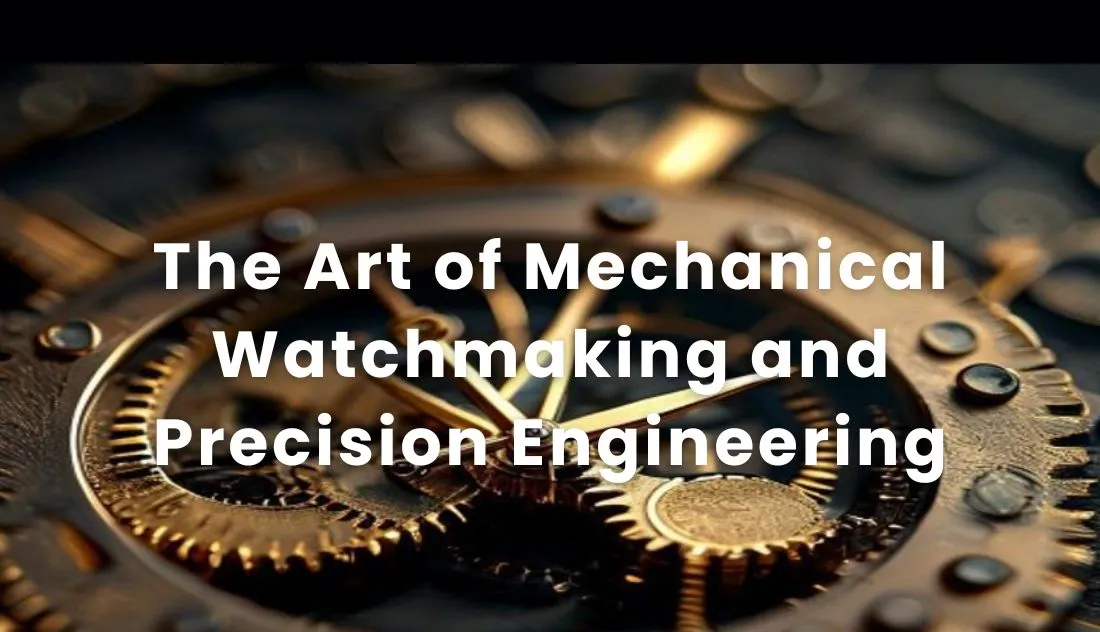
Introduction: The Engineering Behind Mechanical Watches
Mechanical watches represent a remarkable combination of engineering, craftsmanship, and functional design. While digital devices have transformed how people measure and manage time, mechanical timepieces continue to attract attention because of their intricate movements and traditional construction. Each mechanism depends on carefully coordinated components that work together to maintain consistent timekeeping.
For readers exploring CoventryEnterprises mechanical watchmaking offers an interesting perspective on precision, material selection, product quality, and the importance of skilled workmanship. Understanding these elements provides a foundation for appreciating the engineering principles behind traditional timepieces and their continuing place in modern life.
How Mechanical Watch Movements Work
A mechanical watch operates through a series of interconnected components that transfer and regulate energy. Unlike quartz watches, which use an electronic oscillator powered by a battery, mechanical watches rely on a wound mainspring to provide energy for the movement.
The Mainspring and Gear Train
The mainspring stores energy when it is wound manually or through an automatic winding mechanism. This energy passes through a gear train, which transfers movement to the hands and other functions of the watch.
The arrangement of these gears requires careful manufacturing and assembly. Their dimensions and alignment influence how efficiently energy moves through the mechanism. Small variations can affect performance, making precision an essential part of mechanical watch engineering.
The Escapement and Balance Wheel
The escapement controls how energy is released from the gear train, while the balance wheel oscillates at a regulated rate. Together, these components help maintain the movement's timekeeping rhythm.
Their interaction demonstrates the complexity of traditional watchmaking. Although the mechanism is compact, its operation depends on numerous parts working in coordination under carefully controlled conditions.
Precision Engineering and Watchmaking Craftsmanship
Precision engineering is central to the production of mechanical timepieces. Components must meet specific dimensional requirements so that gears, pivots, springs, and other elements function correctly. Watchmakers use specialized tools and inspection methods to assemble and adjust these intricate systems.
The Importance of Assembly and Regulation
Even well-manufactured components require appropriate assembly and adjustment. Watchmakers may regulate a movement to improve its timekeeping performance, inspect the mechanism for wear, and ensure that its components operate as intended.
Environmental conditions, lubrication, impacts, and normal wear can influence performance over time. Regular maintenance helps address these factors and supports the continued operation of a mechanical watch.
Materials and Design in Modern Timepieces
The exterior of a mechanical watch contributes to its durability, comfort, readability, and visual identity. Manufacturers select materials according to the intended design, expected use, and construction requirements.
Case Materials and Crystal Selection
Stainless steel is widely used because of its strength and corrosion resistance. Titanium offers a lighter alternative, while precious metals provide a different appearance and material character. Sapphire crystal is commonly selected for its resistance to everyday scratches.
However, no single material guarantees overall quality. The finished product also depends on construction methods, component compatibility, movement performance, and quality control.
Balancing Appearance With Practical Function
A thoughtfully designed watch combines visual appeal with practical usability. Dial markings should be readable, the case should suit the wearer, and the strap or bracelet should provide appropriate comfort.
Additional features, such as calendar displays and chronographs, introduce further engineering considerations. Their usefulness depends on how well they meet the needs of the person wearing the watch.
The Evolution of Horological Heritage
Horology is the study and practice of measuring time. Mechanical timekeeping has developed through centuries of technical experimentation, from early clock mechanisms to portable watches and contemporary wristwatches.
Traditional Knowledge in Contemporary Watchmaking
Modern manufacturing techniques have improved component consistency and production capabilities. Nevertheless, many mechanical movements continue to use established principles involving springs, gears, escapements, and oscillating components.
This connection between historical knowledge and modern engineering helps preserve the technical heritage of watchmaking. It also demonstrates how traditional mechanisms can remain relevant while benefiting from advances in materials, manufacturing, and testing.
Maintaining Mechanical Watches for Long-Term Use
Mechanical watches contain moving components that require appropriate care. Maintenance needs vary according to the movement, age, construction, usage, and manufacturer's recommendations.
Essential Watch Care Practices
Owners can help protect their timepieces by following several practical steps:
- Follow the manufacturer's instructions for winding and setting the watch.
- Avoid impacts and conditions outside the watch's stated operating limits.
- Have water resistance checked when appropriate, particularly after repairs.
- Store the watch in a clean, dry environment suitable for its materials.
- Arrange servicing with a qualified watchmaker when recommended or when performance changes.
Proper care does not eliminate wear, but it can help identify problems and support reliable operation over time.
Coventry Enterprises and the Value of Informed Appreciation
For Coventry Enterprises, mechanical watchmaking provides an educational subject that connects precision engineering, product design, craftsmanship, and historical development. Examining these elements helps readers understand why evaluating a timepiece involves more than its external appearance.
Factors such as movement construction, finishing, condition, service history, and practical requirements all contribute to a balanced assessment. Buyers and enthusiasts can use this knowledge to ask informed questions and develop realistic expectations about ownership and maintenance.
Conclusion:
Preserving the Principles of Precision Watchmaking
Mechanical watchmaking demonstrates how detailed engineering and skilled craftsmanship can combine to create a functional and enduring design. From the energy stored in a mainspring to the regulated movement of an escapement, every component contributes to the operation of the timepiece.
For readers interested in Coventry Enterprises, exploring mechanical watches offers an opportunity to understand precision, material selection, maintenance, and horological heritage. Appreciating these principles encourages a more informed view of traditional timekeeping and the technical knowledge that continues to support it.
Frequently Asked Questions
What is mechanical watchmaking?
Mechanical watchmaking is the craft of designing, assembling, and maintaining watches powered by intricate mechanical components rather than batteries.
How does a mechanical watch work?
A mechanical watch uses a mainspring to store energy, while gears and the escapement regulate its release to move the hands accurately.
Why is precision engineering important in watchmaking?
Precision engineering ensures that tiny components fit and function correctly, supporting reliable timekeeping, durability, and consistent performance.







Sign in to leave a comment.