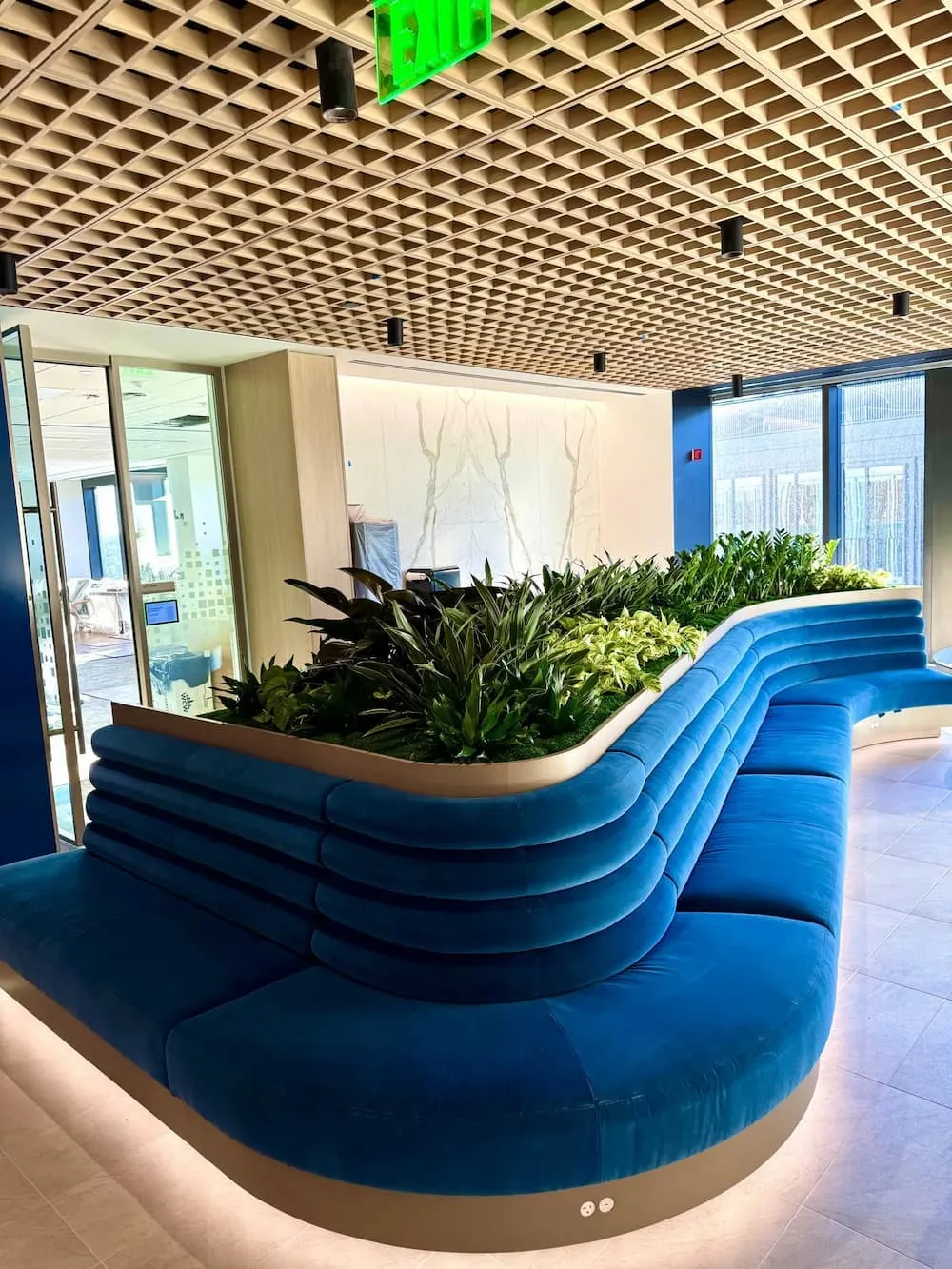

Commercial environments are increasingly being designed to feel comfortable, welcoming, and visually connected to the natural world. Businesses recognize that thoughtful greenery can influence how employees, clients, and visitors experience an interior space. Professionally planned interior plantscapes can introduce natural textures, refreshing foliage, and visual balance without compromising workplace functionality. From reception areas and conference rooms to employee lounges and open offices, plants can become an important part of modern interior design. With suitable plant selection, strategic placement, attractive containers, and consistent maintenance, commercial properties can create interiors that remain appealing and professional.
Understanding the Value of Interior Plantscapes
Creating a Natural Interior Atmosphere
Commercial interiors frequently include materials such as glass, metal, concrete, wood, and synthetic surfaces. While these materials contribute to durability and contemporary design, excessive use can sometimes make a space feel rigid or impersonal. Plants introduce organic shapes and natural textures that can soften the overall appearance. Carefully selected greenery can make large areas feel more balanced while adding visual variety. A professional plantscape can be developed according to the character of the property, ensuring that natural elements complement the existing architecture instead of appearing disconnected from the overall interior design.
Enhancing Employee Workspaces
Employees spend substantial amounts of time within their workplace surroundings, making interior atmosphere an important design consideration. Plants can introduce natural elements into individual work areas, collaborative zones, and shared offices. Carefully positioned greenery can provide visual variety among desks, screens, and equipment while contributing to a softer appearance. Plants should be positioned thoughtfully so that they do not interfere with movement, equipment, or productivity. Professional planning can identify suitable locations based on available space and lighting. This creates an environment where greenery supports workplace aesthetics while maintaining the functionality required for daily operations.
Supporting Comfortable Shared Spaces
Break rooms, lounges, and collaboration areas can benefit from greenery because these spaces often serve different purposes throughout the day. Plants can make shared areas feel more welcoming and visually distinct from formal work zones. Larger arrangements can define corners, while smaller plants can complement tables, counters, and shelves. Professional maintenance helps ensure that these areas remain attractive despite frequent use. Thoughtfully incorporated greenery can add natural character without overwhelming the available space. This makes interior plants an effective design feature for shared environments where employees may gather, relax, communicate, or take short breaks.
Choosing Plants for Commercial Conditions
Evaluating Available Lighting
Lighting conditions can vary considerably throughout a commercial building. Areas close to windows may receive substantial natural light, while interior corridors, conference rooms, and enclosed offices may have limited illumination. Different plant varieties respond differently to these conditions, so proper assessment is essential. Professional plant planning can evaluate available light before selecting suitable greenery for each location. Matching plants to their surroundings can improve their ability to remain healthy and attractive. It can also reduce the need for frequent replacement. This makes environmental assessment an important part of creating a successful long term plantscape.
Considering Temperature and Airflow
Temperature and airflow can also influence plant performance inside commercial buildings. Heating systems, cooling equipment, ventilation, and seasonal changes can create different conditions from one area to another. Plants positioned directly beside strong air currents may experience stress, while certain varieties may struggle in areas with significant temperature fluctuations. Professional planning considers these factors when determining suitable locations. Plants can then be positioned where their environmental requirements are more likely to be met. This careful approach supports healthier greenery while helping businesses maintain consistent visual quality across different areas of the commercial property.
Selecting Suitable Planters and Containers
Coordinating Planters With Interior Decor
Planters are an important component of commercial plant displays because they influence the overall visual impression. Their size, shape, material, and finish should complement surrounding furniture and architectural elements. Simple containers may suit contemporary offices, while textured or decorative options can enhance more expressive interiors. Professional guidance can help businesses select planters that coordinate with flooring, walls, furniture, and lighting. When containers and plants are chosen together, greenery can appear more integrated into the interior design. This creates a refined appearance and prevents plant displays from looking like separate decorative objects added without consideration.
Balancing Style and Practicality
A suitable planter should provide more than visual appeal. Commercial environments require containers that offer stability, support plant growth, and allow maintenance to be completed efficiently. The size of a planter should correspond appropriately with the plant, while its position should not obstruct walkways or workplace activities. Drainage and floor protection may also require consideration. Professional recommendations can balance aesthetic preferences with practical requirements. This ensures that planters contribute to the appearance of the plantscape while supporting plant health, workplace safety, and convenient maintenance. Careful selection can prevent avoidable problems after installation.
Using Plants to Define Commercial Spaces
Creating Natural Separation
Open commercial interiors often require subtle methods of separating different functional areas. Plants can provide natural visual boundaries without creating permanent walls or closing off the space. Large planters can distinguish meeting areas from workstations, while grouped greenery can separate lounge spaces from circulation paths. This approach preserves openness while giving different areas a stronger sense of identity. Professional placement ensures that plants remain clear of important pathways and accessibility routes. Natural separation can therefore improve organization while maintaining the open character that many modern commercial properties seek to achieve through flexible interior layouts.
Guiding Movement
Plants can also help influence how people move through a commercial environment. Carefully positioned arrangements can draw attention toward entrances, reception desks, waiting areas, or important pathways. They can subtly guide visitors without requiring additional signs or structural changes. However, plant placement must always account for safety and accessibility. Professional planning can identify locations that create visual direction while keeping movement areas clear. This makes greenery both attractive and functional. When used strategically, plants can contribute to the overall flow of a property while enhancing the visual experience of employees and visitors.
Supporting a More Inviting Workplace
Introducing Natural Visual Elements
Modern workplaces can sometimes become dominated by technology, screens, desks, and artificial materials. Introducing natural visual elements provides variety and can help create a more balanced appearance. Plants offer changing forms, textures, and foliage patterns that contrast with repetitive office structures. Professional plantscapes can incorporate greenery throughout different areas while maintaining a consistent design concept. This helps create a workplace that feels connected to nature without sacrificing professionalism. Natural elements can complement other interior features and contribute to a setting that feels more thoughtfully designed for the people who use the space.
Enhancing Employee Areas
Employee focused spaces can become more visually appealing when plants are incorporated appropriately. Individual offices, meeting areas, lounges, and collaborative spaces can each use different plant arrangements according to their purpose. Compact greenery may work well around desks, while larger plants can enhance corners or open spaces. The objective is to provide visual interest without creating distractions or limiting functionality. Professional plant planning can achieve this balance by considering the needs of each location. Regular maintenance then keeps the greenery healthy, allowing employee areas to maintain a consistently pleasant and professional appearance.
Maintaining Healthy Interior Plantscapes
Providing Consistent Care
Even the most attractive plant installation requires ongoing care. Watering, pruning, leaf cleaning, soil inspection, pest monitoring, and occasional replacement can all be necessary to preserve plant health. Commercial employees may not have enough time or specialized knowledge to perform these responsibilities consistently. Professional maintenance provides scheduled attention according to the requirements of individual plants. Regular visits can identify early signs of stress and allow adjustments before problems become serious. Consistent care helps maintain healthy foliage and clean containers. It also protects the visual quality that businesses expect from their investment in commercial greenery.
Adjusting Plants as They Grow
Plants naturally change as they mature, meaning an arrangement may require adjustments over time. A plant can become too large for its location, develop uneven growth, or require different lighting conditions. Professional monitoring allows these changes to be addressed through pruning, relocation, or replacement. Interior layouts may also change because of renovations, furniture updates, or business growth. Flexible plant management ensures that greenery can adapt to these changes. Ongoing adjustments help maintain appropriate scale, visual balance, and functionality while allowing the plantscape to remain an effective part of the commercial environment.
Supporting Sustainable Interior Design
Selecting Long Lasting Greenery
Sustainability can be considered when developing commercial plant installations. Selecting varieties that are well suited to their environments can improve longevity and reduce unnecessary replacement. Plants that perform well under existing lighting and temperature conditions may require fewer interventions over time. Durable containers can also reduce the need for frequent replacement. Professional assessment helps businesses make choices based on both appearance and practical performance. Although plants alone cannot define a sustainable interior, thoughtful selection and maintenance can complement broader environmental goals. Long lasting greenery provides continued visual value while reducing unnecessary resource consumption.
Managing Resources Responsibly
Responsible plant care includes appropriate management of water, soil, containers, and replacement needs. Different plants have different watering requirements, so using a uniform schedule for every specimen may be inefficient. Professional maintenance can monitor individual plant conditions and adjust care accordingly. This can help prevent both overwatering and insufficient watering. Regular inspection may also identify issues early, reducing the likelihood of complete plant loss. A structured maintenance strategy allows businesses to enjoy attractive greenery while using resources more thoughtfully. This approach supports the long term performance of commercial interior plants.
Adapting to Different Commercial Properties
Corporate Offices
Corporate offices can use plants in many areas, including entrances, private offices, conference rooms, employee lounges, and open workspaces. Each location can receive greenery appropriate to its size, purpose, lighting, and design. Consistent plant and planter choices can create visual continuity throughout the property. At the same time, individual areas can have arrangements that suit their specific functions. Professional planning ensures that greenery remains attractive without interfering with workplace activities. This makes plantscape design particularly useful for offices seeking a professional interior that combines functionality with natural visual elements.
Hospitality and Public Spaces
Hotels, healthcare facilities, restaurants, educational buildings, and other public environments can also benefit from interior greenery. These spaces often experience frequent visitor movement, making practical placement particularly important. Plants can enhance entrances, waiting areas, corridors, lounges, and shared facilities while complementing existing architecture. Professional plant services can consider traffic, accessibility, lighting, and maintenance requirements when developing arrangements. This allows greenery to remain both attractive and functional. With consistent care, plants can help public environments feel more welcoming and visually complete while supporting the property's broader interior design objectives.
Adapting Greenery to Changing Business Needs
Supporting Renovations
Commercial interiors frequently change as businesses renovate, update furniture, or modify their floor plans. Existing plants may need to be moved when walls, desks, lighting, or pathways change. Professional plant management can reassess arrangements and determine whether relocation, pruning, or replacement is appropriate. This flexibility helps businesses preserve the value of their greenery after an interior redesign. Plants can continue supporting the updated environment instead of becoming obstacles or visually mismatched features. Regular reassessment ensures that the plantscape remains relevant and functional as the commercial property evolves over time.
Accommodating Business Expansion
Business growth can create additional office areas, larger facilities, or new commercial locations. A carefully planned greenery strategy can expand alongside these changes. New arrangements can follow established design principles, allowing different areas to maintain a consistent visual character. Professional guidance can determine how plants should be distributed according to the size and function of newly available spaces. This makes expansion more organized and prevents greenery from appearing inconsistent. Long term planning allows businesses to treat interior plants as an evolving part of their environment rather than a one time decorative installation.
Conclusion
For businesses looking to create attractive and welcoming commercial interiors, Interior Plantscapes can provide professional support for planning, installing, and maintaining thoughtfully designed greenery. Interior plantscapes can improve visual balance, add natural texture, define functional areas, and complement existing architectural features. Their success depends on suitable plant selection, strategic placement, appropriate containers, and dependable maintenance. From corporate offices and reception areas to hospitality environments and shared spaces, professionally managed greenery can remain a valuable part of modern interior design. With careful planning and consistent attention, commercial properties can enjoy natural beauty while maintaining a polished and functional environment.
























Sign in to leave a comment.